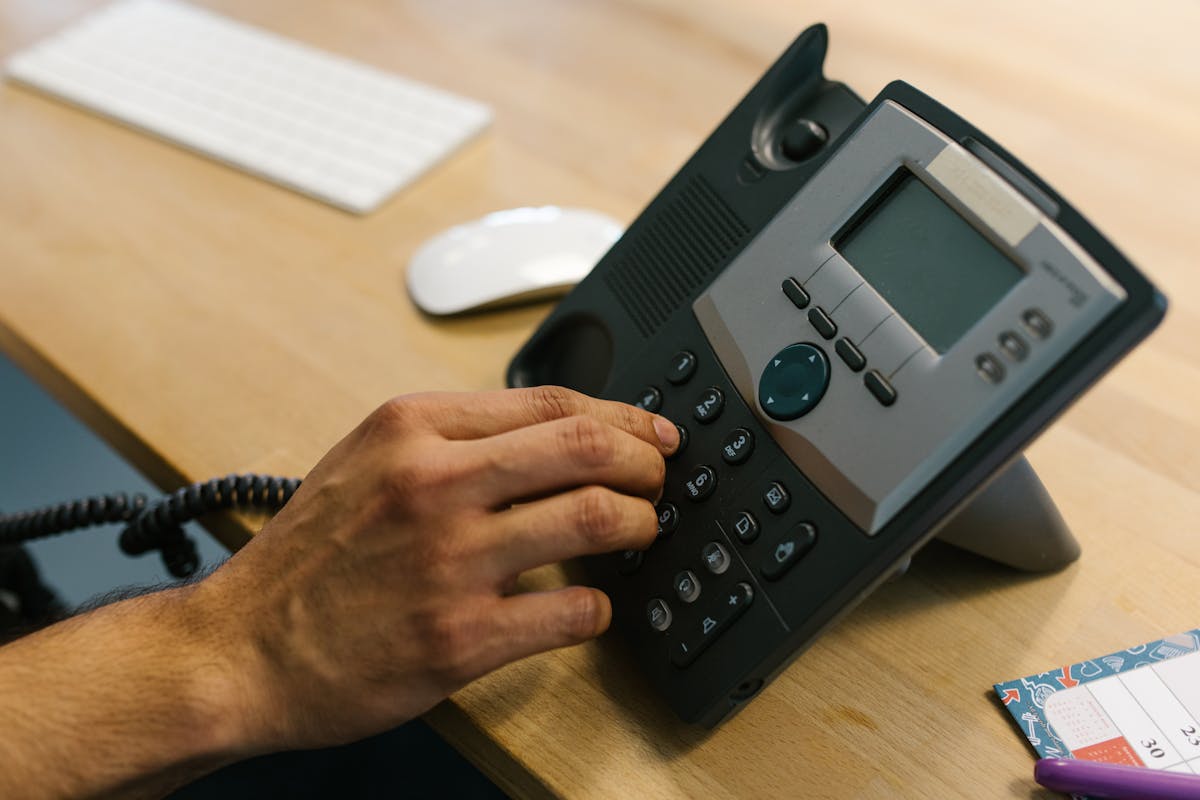
Every voicemail you leave is being auditioned in the first three seconds. If it sounds like a pitch, it gets deleted. If it sounds like a person with a specific and relevant reason to talk, it gets saved, and sometimes returned. The difference is almost always length and structure.
The Research Behind the 22-Second Threshold
InsideSales.com analyzed callback rates across tens of thousands of B2B voicemails and found a clear curve: response rates peak between 18 and 25 seconds, then drop sharply above 30. Below 15 seconds, the message lacks enough substance for the listener to make a decision about whether to call back.
The reason is cognitive economics. A C-level buyer evaluating your voicemail is answering one question: is the value of knowing more worth the cost of returning this call? Under 15 seconds, there’s not enough signal to say yes. Over 30 seconds, the cost, time and attention, starts to exceed the perceived value of the unknown benefit.
Twenty-two seconds is enough to deliver every structural element you need. Nothing more.
The 22-Second Script Structure
The formula has five components. Each one earns its place:
1. Your name (second 1–2): “Hi [Name], this is [Your Name]…”
2. Company and context (seconds 2–5): ”…I work with [consultant/agency/company type] on [broad area]…”
3. Specific reason, tied to them (seconds 5–12): ”…The reason I’m calling is that I noticed [specific trigger: recent hiring, funding, announcement, industry shift] and I’ve been helping companies in your situation [specific outcome]…”
4. Curiosity gap (seconds 12–18): ”…I found something specific to [their situation] that I think changes the math on [their challenge], wanted to run it by you briefly…”
5. Callback number, twice, slowly (seconds 18–22): ”…My number is [number, spoken slowly]. Again, that’s [number]. Looking forward to connecting.”
Total: 22 seconds. No filler. No apology for calling. No “I know you’re busy.”
The curiosity gap is the engine of the callback. Name what you found. Never name what it is. The prospect’s brain cannot close that loop without calling you back, and closing open loops is a fundamental cognitive drive. Make the gap specific enough to be credible and recent enough to be urgent.
Why You Say Your Phone Number Twice
This feels redundant until you think about how voicemails are actually consumed. Most people listen while doing something else, walking, driving, reading email. The first recitation of your number is processed and then immediately lost to competing attention.
The second recitation, with a slight pause before it, is heard when the listener has mentally registered “I need to write this down.” Saying it twice also signals that you expect a callback, a subtle confidence signal that a single-mention voicemail doesn’t carry.
Speak each digit individually. “Seven-three-five, pause, four-four-one, pause, nine-oh-two” is far easier to capture than “seven-three-five-four-four-one-nine-oh-two” delivered at normal speed.
Three Complete Script Examples
Example 1, For a marketing consultant reaching a DTC brand founder: “Hi Sarah, this is Marcus Cole, I work with DTC brands on retention and lifecycle strategy. The reason I’m calling is your February subscriber growth caught my eye, and I found something specific about how you’re structured right now that I think creates a retention gap most brands don’t catch until month six. My number is 415-334-7821. Again, that’s 415-334-7821. Would love a quick conversation.”
Example 2, For a web developer reaching a local business: “Hey David, this is Priya Nair, I work with service businesses on their conversion rates. I saw your recent Google review volume jumped and there’s something specific about your current site structure that I think is leaving a significant number of those visitors on the table. My number is 512-448-9307. Again, 512-448-9307. Worth a quick five minutes.”
Example 3, For a financial consultant reaching a CFO: “Hi James, this is Rodrigo Vance, I work with mid-market CFOs on cash flow visibility. Your Q1 hiring announcement raised something specific I haven’t seen addressed publicly and I think it affects your runway math more than it appears. My number is 704-551-0928. Once more, 704-551-0928. Happy to be brief.”
When to Leave a Voicemail, and When Not To
Strategic voicemail placement in a multi-touch cadence looks like this:
- Call 1: Leave voicemail
- Call 2: No voicemail (email follow-up references the voicemail)
- Call 3: No voicemail
- Call 4: Leave second voicemail (new angle or new curiosity gap)
- Calls 5–6: No voicemail (multi-channel touches)
- Call 7: Breakup voicemail (“Last attempt, if the timing’s off, no worries.”)
Leaving a voicemail on every call teaches prospects to let calls go to voicemail. The pattern of silence followed by occasional voicemail creates unpredictability, which keeps you from being systematically avoided.
Tone Is the Variable You Can’t Script
Read the exact words of a script in a flat, rehearsed tone and the callback rate will be near zero. Deliver those same words with vocal variety, slight pace variation, and the natural cadence of someone who genuinely has something worth sharing, and the rate climbs significantly.
Record ten of your voicemails. Listen back with headphones. Ask: does this sound like a person who found something relevant, or a rep burning through a call list? The answer to that question determines everything.
The Multi-Channel Amplifier Effect
The primary value of a voicemail in a cold outbound sequence is not the callback rate. It is the familiarity it creates for your next touchpoint. When a prospect has heard your voice in a voicemail and then receives your email that opens with “I left you a voicemail earlier this week about [specific topic]…”, your email reply rate on that sequence roughly doubles.
The prospect already processed your name. The email now feels like a continuation of a relationship that has already started, not a cold approach from a stranger. This cross-channel recognition effect is where consistent voicemail strategy pays its biggest dividend.