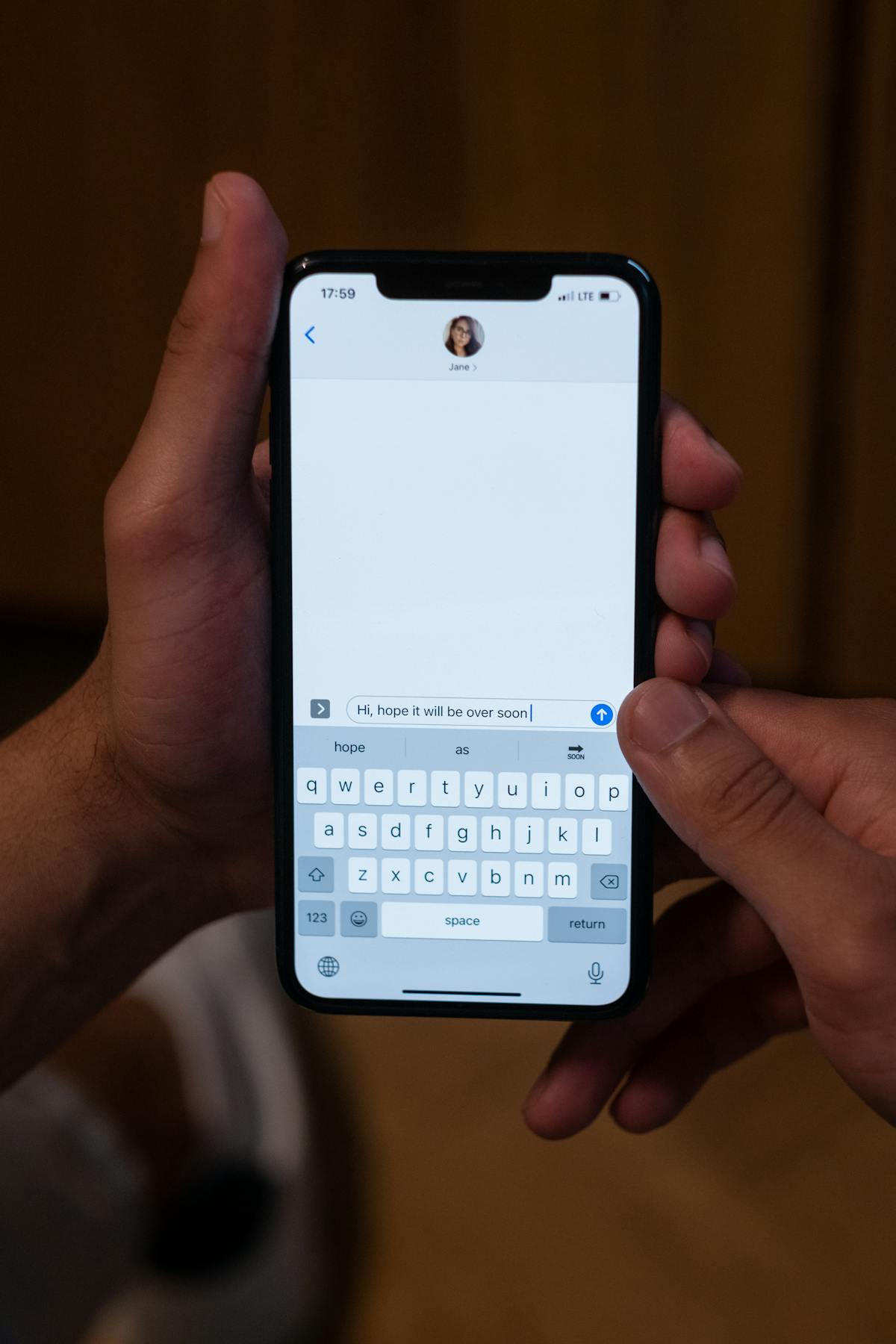
“I loved your recent post on scaling your team.” This sentence has been sent 40 million times this year. Your prospect has seen it. They know what comes next. The moment they read it, they’ve already decided to ignore your email. The compliment isn’t a warm opener. It’s a trip wire.
Why Compliments Signal Spam
The human brain is a pattern-recognition machine. Prospects who receive cold email regularly, meaning anyone in a decision-making role, have seen the compliment opener so many times that it’s become a reliable signal for “sales pitch incoming.”
Behavioral research on email scanning shows that readers make a keep-or-delete decision in under 3 seconds. In that window, the first line either confirms or breaks their pattern expectation. “Loved your podcast episode” confirms the pitch pattern instantly. The reader feels seen-through, not impressed.
Flattery also creates an implicit power imbalance. The sender positions themselves as admirer, the prospect as the admired. That framing puts you in the junior position before you’ve said anything about your work.
The Contrarian Framework
The compliment-free cold email is built on a single principle: offer something intellectually useful before asking for anything.
The most effective mechanism for this is the useful disagreement, a specific observation that respectfully challenges something the prospect believes, does, or has said publicly.
The framework has three components:
1. The Observation Trigger What specific thing did you notice? A pricing page structure, a hiring approach, a public statement, a business model choice.
2. The Counter-Angle What does the data, your experience, or market evidence suggest that runs counter to what they’re doing?
3. The Neutral Close End the opener without evaluation. Let the observation stand on its own. Don’t tell them whether their approach is wrong or right. Let them react.
5 Useful Disagreement Openers
These five examples illustrate the framework across different industries and contexts. Each is built from real research-based templates tested in outreach campaigns.
Example 1, For a marketing agency owner: “Most agencies justify retainer pricing on deliverable volume. The highest-retained agencies I’ve studied price on outcomes and let deliverables flex, which usually means fewer deliverables, higher margins, and longer contracts.”
Example 2, For a SaaS founder: “Your onboarding flow asks for a credit card before the product tour. The conversion data on this approach is mixed, users who see value first and then pay have 23% higher 90-day retention in most B2B SaaS cohorts.”
Example 3, For a freelance consultant: “You’re listing hourly rates on your About page. Consultants who lead with day rates instead report 40% fewer price objections because clients anchor to project scope rather than clock-watching.”
Example 4, For an e-commerce brand: “Your Instagram bio links to your homepage. Most brands your size see better CAC from linking directly to the bestseller with a pre-filled discount code, cuts two clicks and one decision from the mobile purchase path.”
Example 5, For a startup hiring manager: “Your job description lists 12 required skills. Research on job post conversion suggests that listings with 5 or fewer requirements get 2.4x more qualified applicants, the longer list screens out confident candidates, not unqualified ones.”
None of these openers say “great work” or “I love what you’re doing.” Every one of them delivers a specific, credible, almost uncomfortable observation. That discomfort is intentional. It signals genuine research, peer-level thinking, and something worth replying to, three things a compliment can never achieve.
The Research Behind the 1.6x Lift
Across a series of A/B tests comparing compliment openers to observation-based openers, same subject line, same email length, same CTA, the observation openers outperformed in 9 of 11 campaigns. Average lift: 1.6x reply rate.
The pattern held strongest when the observation was industry-specific (not general) and when it referenced something publicly visible about the prospect’s business. Generic observations (“most companies in your space…”) performed closer to average. Hyper-specific ones (“your pricing page shows…”) produced the highest lifts.
How to Research Without Spending 20 Minutes Per Email
The objection to this framework is always time: “I can’t research every prospect this deeply.” You don’t need to.
Build a research template for each prospect category. If you send to e-commerce founders, develop 3 to 5 observation angles that apply broadly to that segment. Then use one specific detail from their actual website or LinkedIn to make it feel personal.
The formula: 80% category-level insight + 20% specific observation = personalized at scale.
This is not the same as a template compliment. You’re delivering a category-level truth that’s made specific by one real detail. The cognitive work is front-loaded once per target segment, not once per email.
What to Do With the Second Sentence
After your observation opener, the second sentence should connect the observation to a result you’ve produced for a similar company.
“Most [category] companies do X. We helped [company] move to Y approach, they saw [result] in [timeframe].”
Two sentences. You’ve delivered a useful insight, demonstrated relevant experience, and created a natural bridge to your ask. Now your soft close lands in context rather than out of nowhere.
This is the full compliment-free structure: observation, proof, ask. Each element earns the next.
The One Exception
The compliment-free rule has one exception: genuine, specific recognition of something rare. Not “great post,” but “your breakdown of async documentation in remote teams was the clearest treatment of that topic I’ve read, most content on remote work ignores the knowledge-transfer problem entirely.”
That’s specific enough to be credible. It names the topic, names what was distinctive, and states why it mattered. If you can write a “compliment” that specific, it crosses from flattery into observation, and it works.
The test: Could 50 other people have written this compliment? If yes, delete it.