A booth at a major B2B conference costs $15,000-30,000 for the floor space alone. Add shipping, display materials, staffing, and giveaways and you’re at $40,000+ before you’ve spoken to a single prospect. For a solo consultant, that number is absurd. And worse, booths attract mostly other vendors and tire-kickers, not the VP-level buyers you actually want to meet.
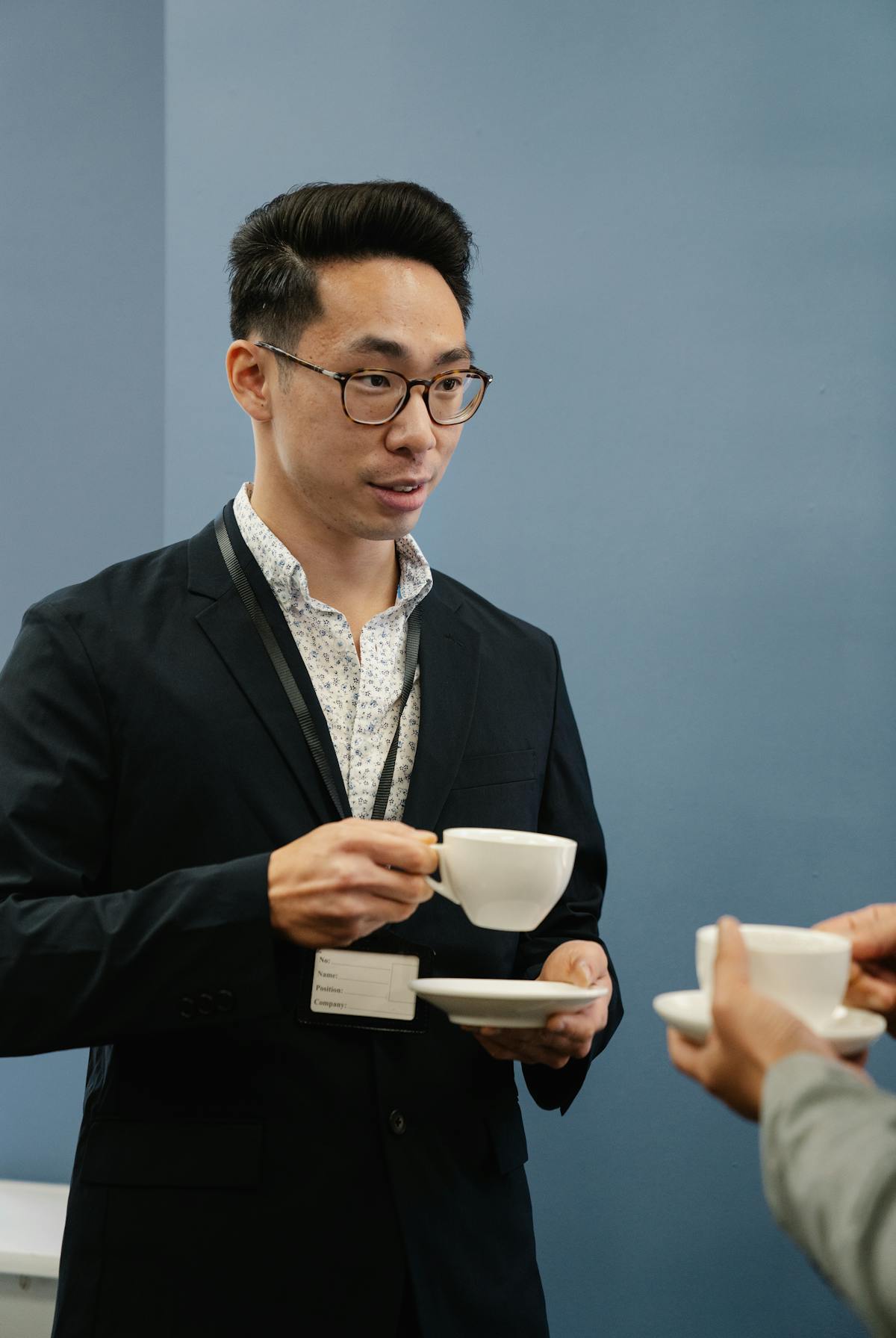
Meanwhile, the consultant who bought a $1,500 conference ticket and spent two weeks preparing is booking coffee meetings with the same executives who walked past the $40,000 booth without stopping.
The booth is a broadcast strategy, you wait for people to come to you. The smart conference approach is a direct outreach strategy, you identify the 15 people most worth meeting, schedule 8-12 of them before you arrive, and spend the remaining time in the conversations that happen organically in hallways and at dinners. The second approach is cheaper, produces better relationships, and closes more business.
Day 1-3: Build Your Target List
The conference prep starts 14 days before the event. Day 1 through Day 3 is entirely research, you don’t send a single message until you have a complete list.
Sources for your attendee list:
Conference app: Download it the moment it becomes available. Search by company name, job title, or industry. Build a list of 30-40 people who match your ideal client criteria: decision-maker title, relevant company size, in an industry you serve.
Speaker list: Every speaker is a conversation magnet during the conference. Even if they’re not your ideal client, speaking to them makes you visible to the people in their orbit. Add all relevant speakers to your list.
Sponsors: Companies that sponsor events send their leadership teams. Check the sponsor page, find the company’s LinkedIn profile, and identify who their VP/Director-level people are likely to be at the event.
LinkedIn event: Search “[Conference Name] 2026” on LinkedIn. Filter by first-degree and second-degree connections. Your second-degree connections, people you’re connected to through mutual contacts, are warmer targets than strangers, because a brief warm intro is possible.
From 30-40 candidates, prioritize 15-20 for active outreach. Criteria: their title matches your buyer profile, their company size suggests budget, and you have at least one relevant thing to say to them specifically.
Day 4-7: The Pre-Conference Outreach Sequence
The conference context is your outreach asset. Use it explicitly.
LinkedIn message template (under 80 words):
“[Name], I’ll be at [Conference] next week. I’ve been following [specific post, article, or company announcement of theirs] and would like to connect in person. Are you open to 20 minutes on [Day 1] morning or afternoon? Happy to work around your schedule.”
Send 5-8 messages per day starting Day 4. Expect 30-40% reply rate, significantly higher than standard LinkedIn outreach because the conference creates a natural, time-bounded reason to meet.
When they reply yes, confirm with a specific time and location: “Great, how about [time] at the coffee station near registration? Easy to find and away from the main floor noise.” Specific logistics reduce no-shows by 25%.
For prospects who don’t reply within 48 hours, send one follow-up: “Following up, still interested in connecting at [Conference] if the schedule works. Otherwise no pressure, we can always connect virtually after.”
Target: 8-12 confirmed meetings before you board the plane.
Day 8-10: The Hosted Dinner
A dinner for 6-8 people on the first evening of the conference is your single highest-ROI conference activity. Here’s why: everyone is fresh, nobody has had 12 hours of conference fatigue yet, and a small dinner creates intimacy that no conference session can replicate.
Invite mix: 3-4 prospects from your pre-conference list, 1-2 existing clients or colleagues who will speak positively about working with you, and possibly one speaker or notable attendee who adds credibility to the guest list.
Invite message (sent Day 8-10, before the conference):
“[Name], a few of us are getting dinner on [Day 1] evening at [restaurant], I’m hosting a small group of people doing interesting work in [industry/space]. No agenda, just a good meal and real conversation. Would you join us? I’m keeping it to 7 or 8 people.”
Key elements: “small group,” “no agenda,” and “interesting people”, these all reduce the sense that it’s a sales event.
Make the reservation. A restaurant with a private dining room or a quiet corner table works best. Budget $500-700 for 7-8 people at a nice but not extravagant restaurant. This is a business development expense with clear ROI.
Ninety minutes at a dinner table with six people you selected builds more trust than six hours at a conference. The small group format creates real conversation, people talk about actual problems, not polished presentations. You’ll learn more about what your prospects need at one dinner than in 20 booth conversations.
Day 11-14: Pre-Conference Positioning Work
The week before the conference, do three things:
Research your confirmed meetings. For each of the 8-12 people you’ll meet, spend 20 minutes on their LinkedIn, their company’s recent news, and any content they’ve published. Find one specific thing to mention at the start of each meeting, not to be impressive, but to demonstrate that you prepared. “I saw your team just launched the new platform, how’s adoption tracking?” is a warmer opener than “so what do you do?”
Prepare your transition question. Every 20-minute coffee meeting should end with the same question: “What’s the biggest operational challenge you’re navigating in the next 90 days?” This is an open door, if they describe something you can help with, you have a natural bridge. If they don’t, you’ve still had a good conversation.
Update your conference bio. Most conferences allow attendees to update their profile in the app. Make yours specific: “I help [type of company] [specific outcome]. Available for consulting engagements.” Generic bios (“consultant, speaker, author”) miss the conversion opportunity.
At the Conference: Hallway Strategy
Pre-scheduled meetings are your primary asset. Hallway conversations are your secondary one.
Position yourself at high-traffic transition points: the coffee station between sessions, the registration desk area in the morning, the area outside the main auditorium. These are where unscheduled conversations happen naturally.
When you meet someone in a hallway, treat it as a conversation, not a pitch. Ask what sessions they found most useful. Ask what brought them to this conference. These questions lead naturally to “what kind of work do you do?” and then back to you.
If the conversation is good, don’t try to close anything in the hallway. Book a follow-up: “I’d love to continue this conversation. Can I send you a calendar invite for a quick call next week?” Getting a follow-up commitment is the hallway goal, not a proposal.
Avoid the booth-mentality error: Don’t tell everyone your elevator pitch. Listen first. If what they’re describing is a problem you solve, then introduce yourself in that context. If it’s not, have a good conversation and move on. Not every conference contact is a prospect.
Post-Conference Follow-Up: The 72-Hour Window
The 72 hours after the conference ends is when follow-up converts. After that, people are buried in catch-up work and conference energy has faded.
For each meeting or meaningful conversation, send one of two messages:
If there was a clear next step discussed: “[Name], great meeting you at [Conference]. As we discussed, I’ll put together a brief scope for [project topic] and send it over by [date]. Looking forward to continuing the conversation.”
If there was no specific next step: “[Name], enjoyed our conversation about [specific topic from the meeting]. I’m sending over [a relevant resource, article, framework, or short document] that connects to what you mentioned about [their challenge]. Happy to set up a call if any of it is useful.”
The second message works because it delivers immediate value and creates a natural opening for a follow-up call without requiring them to commit to anything.
The freelancer who prepares 14 days before a conference and follows up within 72 hours after consistently outperforms the one who shows up hoping the networking will happen organically. Conference pipeline is not about being present, it’s about being prepared. The prep work is 70% of the result.
Measuring Conference ROI
Track three numbers after every conference:
- Meetings held (target: 80%+ of pre-scheduled meetings + 3-5 organic)
- Follow-up calls booked (target: 40%+ of meetings held)
- Proposals sent (target: 25%+ of follow-up calls)
At those conversion rates, 10 pre-scheduled meetings → 8 held → 3-4 follow-up calls → 1 proposal. One strong conference per quarter, targeted correctly, produces 3-4 proposals per year from this channel. For most solo consultants, that’s enough.
Ready to send stronger proposals?
Build, send, and track proposals in one place so follow-up is easier.
Start your free trial →