Every freelancer knows they should be publishing content to build authority and generate inbound leads. So, you download a massive, color-coded spreadsheet template, vow to post on LinkedIn twice a day, write a weekly newsletter, and start a podcast. By week three, client work piles up, you run out of ideas, the spreadsheet goes untouched, and you abandon the strategy entirely.
This failure is not a lack of discipline; it is a structural flaw. You are trying to run a media company’s content schedule on a solo consultant’s bandwidth. Context switching, jumping from coding a website to writing a tweet to answering a client email, destroys your cognitive capacity. To survive, you must abandon the idea of “daily content creation” and adopt an asynchronous, batch-processed content system designed specifically for the constraints of a solo operator.
The 90-Day Pillar Strategy
You do not need to be creative every day. You only need to be strategic once a quarter.
At the start of the quarter, identify the 3 core problems your ideal clients are currently facing. These are your “Pillars.” For the next 90 days, you will talk about absolutely nothing else. This constraints your focus and ensures your market positioning remains razor-sharp.
The 90-Day Planning Script:
- Month 1 Theme: (e.g., Problem A: Client Retention)
- Month 2 Theme: (e.g., Problem B: Pricing Strategies)
- Month 3 Theme: (e.g., Problem C: Proposal Conversion)
For Month 1, you need exactly four core ideas related to Client Retention. That’s it. Four ideas power an entire month of marketing.
Stop trying to be a thought leader on every topic in your industry. Depth creates authority; breadth creates noise. Pick three specific problems a quarter and beat them to death.
The Batch-Creation Model (The 1-into-10 Method)
If you wake up on Tuesday morning and ask, “What should I post today?”, you have already lost. The secret to sustainable content is separating the ideation, the creation, and the distribution.
The Weekly Workflow: Block out exactly 2 hours on your calendar (e.g., Friday mornings). Protect this block as fiercely as a client meeting.
- Minute 0-60 (The Pillar): Write one long-form, highly tactical asset (1,000 words). This could be a newsletter issue, a blog post, or a deep-dive LinkedIn article.
- Minute 60-90 (The Extraction): Do not write new ideas. Simply copy and paste sections of your Pillar asset to create micro-content.
- Asset 1: Extract the opening hook and the bulleted list. (LinkedIn post 1)
- Asset 2: Extract a single contrarian paragraph. (LinkedIn post 2)
- Asset 3: Turn the step-by-step process into a carousel. (LinkedIn post 3)
- Asset 4: Take the core thesis and turn it into a short text post. (Twitter/X thread)
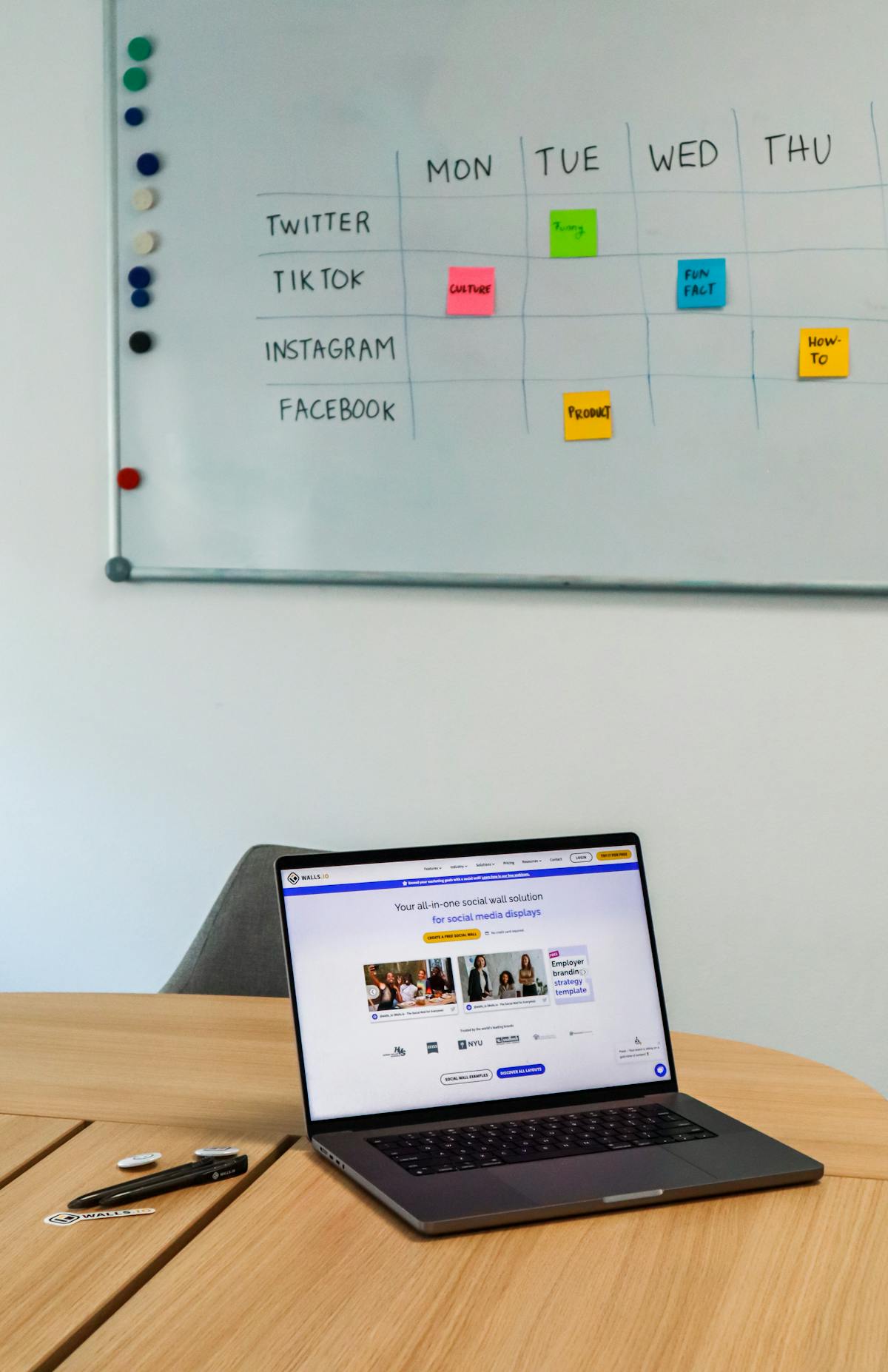
- Minute 90-120 (The Scheduling): Load all the extracted micro-content into your scheduling tool and distribute it across the upcoming week.
You just created a week’s worth of multi-platform marketing in two hours. For the rest of the week, you do not create; you only reply to comments.
Context vs. Inspiration
The biggest hurdle for freelancers is the “I don’t know what to write about” excuse. You don’t know what to write about because you are waiting for inspiration instead of capturing context.
You are constantly generating high-value content; you are just doing it privately in client emails, Slack messages, and discovery calls.
The “Inbox as a Content Engine” Rule: Every time you spend more than 5 minutes answering a client’s question in an email, BCC a specific folder or copy the text into your Notion database. That email is your rough draft for next week’s Pillar post. The client just gave you the exact phrasing of their pain point, and you just wrote the solution. Strip the confidential details, format it, and publish it.
The Minimum Viable Tech Stack
Do not buy a complex project management tool to manage your content. Complexity causes friction, and friction kills consistency.
- The Capture Hub: A simple Notion board or Apple Note on your phone. When an idea hits you while walking the dog, dump it here.
- The Drafting Environment: Google Docs or Hemingway App. A distraction-free zone where the writing happens.
- The Distribution Engine: Use a tool like Buffer, Taplio, or Later.
Your goal is not to be a full-time content creator. Your goal is to be a highly paid consultant whose content works in the background to pre-sell prospects. Build the system, schedule the batch, and get back to your billable work.
Ready to send stronger proposals?
Build, send, and track proposals in one place so follow-up is easier.
Start your free trial →