Most freelancers price by gut feel dressed up as logic. They calculate hours, multiply by a rate, and call it a quote. That works until a client says “yes” too fast, which means you priced too low, or until a competitor undercuts you on a deal where outcome, not cost, should have set the number. There are three distinct pricing frameworks, each with a different internal logic and a different buyer type it was designed for. Knowing which one to deploy, and when to switch mid-engagement, is one of the highest-leverage skills in a freelance business.
The Three Frameworks in One Sentence Each
Cost-plus pricing: start with your costs, add a margin.
Value-based pricing: start with the client’s outcome, take a percentage.
Market-based pricing: start with what competitors charge, position within that range.
Each framework answers a different question. Cost-plus answers “what do I need to charge to make this worth my time?” Value-based answers “what is this engagement worth to the client?” Market-based answers “what will this buyer compare my quote against?”
The mistake is treating them as a hierarchy, as if value-based is always better. It is not. The right framework depends on the buyer’s psychology, the measurability of the outcome, and where you are in your market positioning.
Cost-Plus: The Floor, Not the Ceiling
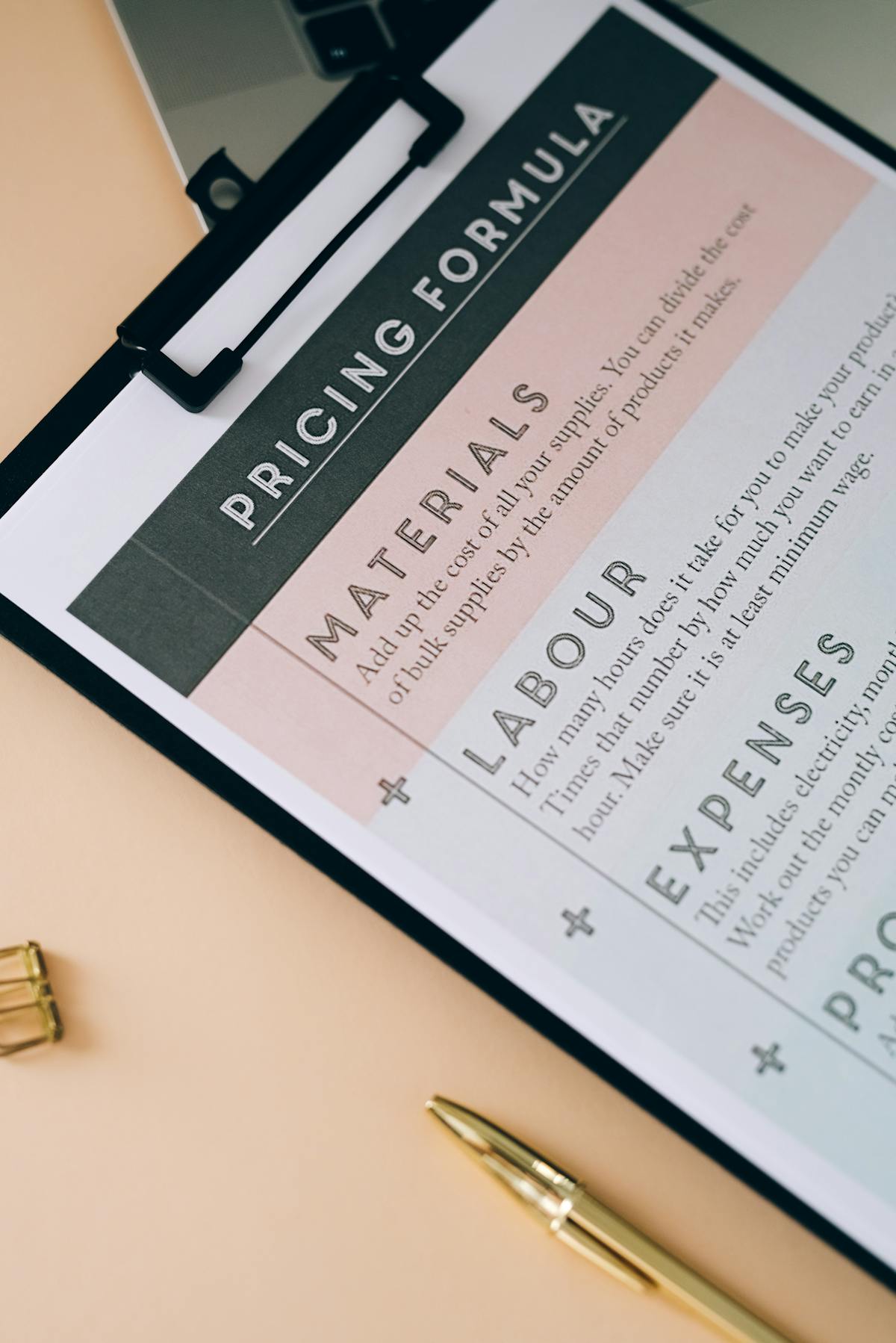
Cost-plus pricing is the most intuitive model. Add up your direct costs (hours × your target hourly rate), add overhead allocation, add a profit margin of 20-40%, and you have a price.
It works best on commodity deliverables: a defined number of social media posts, a data audit, a templated sales deck. The buyer is comparing quotes, not outcomes. They have no particular belief that your version will generate 3x more revenue than the competitor’s version.
The critical rule: cost-plus is your floor. Never quote below it. But never assume it is your ceiling. If the same project would generate $150,000 in pipeline for the client, a cost-plus number of $2,400 is not honest pricing, it is a giveaway.
Use cost-plus when: the scope is locked, the work is repeatable, and the buyer is price-shopping.
Value-Based Pricing: The Multiplier Model
Value-based pricing requires one thing most freelancers skip: a discovery conversation that quantifies the financial impact of the engagement.
The math is straightforward once you have the numbers. If a client closes 3 new enterprise accounts per month worth $30,000 each, and your CRM audit plus sales enablement work increases close rate by 10%, that is $10,800/month in new revenue, $129,600 per year. A fee of $15,000 for the engagement is a 10x value ratio. It is not expensive. It is a great deal.
Value-based pricing requires you to believe the outcome before the client does. If you cannot articulate the ROI, you will default to cost-plus by anxiety.
The three discovery questions that unlock value-based pricing:
- “What does a successful outcome here generate in revenue or cost savings, in year one?”
- “What has it cost you to not solve this problem, in time, revenue, or team capacity?”
- “What would you expect to pay if this engagement exceeded expectations?”
Question three is particularly useful. Buyers often anchor higher than you expect.
Market-Based Pricing: The Competitive Intelligence Layer
Market-based pricing is not about being cheap. It is about understanding the price range buyers are evaluating within and positioning deliberately inside it.
Research channels:
- Platform rate cards (Toptal, Contra, Superpath, Clutch)
- LinkedIn peer conversations with direct questions (“What are you charging for X these days?”)
- Discovery calls where you ask “What budget range are you working with?”
- Proposals from former clients that included competitor quotes
The strategic move is to enter a new niche with market-based pricing, win two or three engagements, document outcomes, then shift to value-based as you accumulate proof. Market-based pricing is a positioning ladder rung, not a permanent address.
The Buyer-Type Decision Matrix
Match the framework to the buyer:
Procurement-driven buyers (RFPs, vendor comparisons): Market-based. They are comparing line items. Win the relationship, then expand.
Growth-stage buyers (startups, scale-ups): Value-based. They are investing, not purchasing. They understand ROI language.
SMB buyers with defined projects: Cost-plus with a clear scope. They want predictability and control.
Enterprise buyers with vague problems: Value-based with a discovery phase priced on cost-plus. Earn the right to value-price the main engagement.
The Hybrid Play: Staging Your Pricing Model
The most effective strategy is staging your framework across the engagement lifecycle.
Stage 1, Discovery: Cost-plus. Charge for your time to understand the problem. This is your entry fee, your credibility signal, and your research investment.
Stage 2, Proposal: Value-based. You now have outcome data. You can quantify what success is worth and price accordingly.
Stage 3, Expansion: Value-based with performance components. Once you have delivered results, tie future fees to documented outcomes.
The consultant who stages this way earns 3-5x more per client than the one who locks into a single framework at the outset.
Switching Frameworks Mid-Relationship
Switching from cost-plus to value-based mid-relationship requires one thing: a documented outcome.
“When we started, I quoted this on a time-and-materials basis. In the three months since, we have generated $87,000 in attributed revenue from this work. Going forward, I want to price future engagements differently, as a percentage of the outcome we create together rather than by the hour.”
That sentence has closed more pricing pivots than any rate increase conversation. It is not a negotiation. It is a reframing, backed by math.
The Pricing Framework Audit
Every six months, review your last 10 engagements and answer three questions:
- Which framework did I use, and was it the right one?
- How much value did I generate, and what percentage did I capture as fees?
- Where did I leave money on the table, and why?
The pattern will surface quickly. Most freelancers find they systematically under-price transformation work and correctly price commodity work. The fix is a deliberate shift toward value-based on any engagement where the outcome is measurable and meaningful.
The goal is not to be the most expensive option. It is to be the option whose pricing logic matches the buyer’s psychology, and captures a fair share of the value you create.