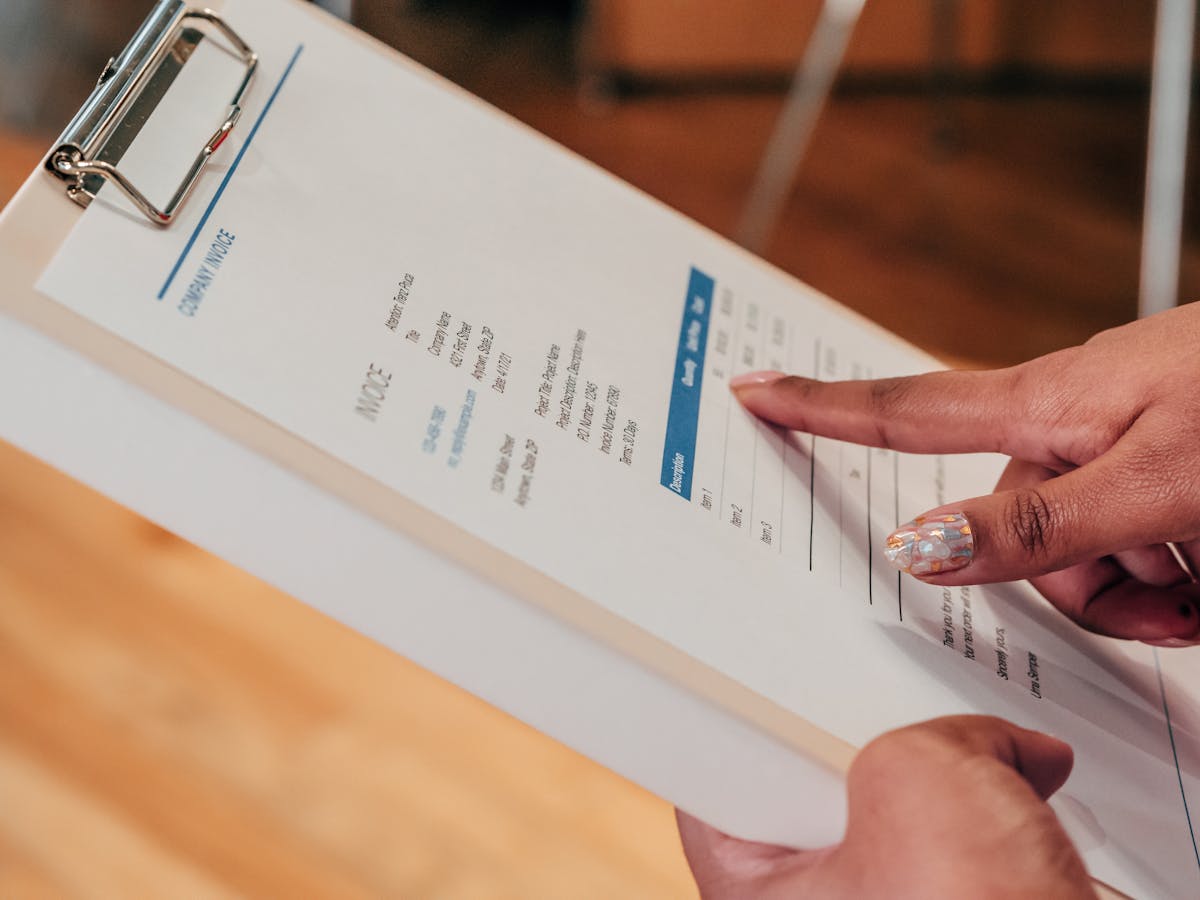
When an invoice lands in your inbox, it’s not a suggestion. It’s a formal record that someone performed work or delivered something on the expectation of being paid. Understanding what an invoice actually represents helps you handle it correctly, whether you’re the one sending it or receiving it.
What an invoice is, exactly
An invoice is a document issued by one party to another that:
- Identifies the seller and the buyer
- Describes what was sold or performed
- States the price for each item or service
- Specifies when payment is due
When you receive one, you’re looking at a formal record that a transaction is expected to be completed. The seller has already delivered their side, and now the invoice is asking you to deliver yours.
Why invoices exist
Invoices serve multiple purposes beyond just asking for money. They create a paper trail that both parties can use for accounting and tax purposes. They establish a timeline for when payment is expected. And they document what work was done, which protects both the seller (evidence of delivery) and the buyer (record of what they paid for).
For freelancers and small businesses, invoices are often the primary financial record of their business activity.
An invoice is legal documentation of a transaction. It doesn’t just request payment; it creates a record that courts, accountants, and tax authorities can rely on. That’s why both sides should keep copies.
Invoice vs. estimate vs. receipt
Since these three documents often get confused:
Estimate / Quote: Issued before any work begins. It says “here’s what it will cost if you proceed.” No payment is owed yet.
Invoice: Issued after work is done or at a milestone point. It says “payment is now due.” Money is owed.
Receipt: Issued after payment is made. It says “payment was received.” No more money is owed.
If someone sends you an estimate, you’re in the approval stage. If they send you an invoice, the work is done and you owe the money. If they send you a receipt, the transaction is complete.
When you might dispute an invoice
Receiving an invoice doesn’t necessarily mean the amount is correct or that you agree with all the charges. You can legitimately dispute an invoice if:
- The services described weren’t delivered as agreed
- The amount is higher than what was quoted without your approval
- There are charges for work you never requested
- The invoice contains a billing error (wrong rate, wrong hours, duplicate charge)
Disputing an invoice is different from ignoring it. You should communicate your objection in writing as soon as possible, reference the specific line items you’re questioning, and pay the undisputed portion if there is one. Courts and collections agencies look more favorably on people who engaged with the dispute than on those who went silent.
What to do when you receive an invoice
Review it promptly. Check that the line items match what was agreed and that the math is correct.
Note the due date. Calendar it immediately. Late fees start accruing after the due date, and they add up.
Ask questions if anything is unclear. Before the due date is the right time to raise questions, not after.
Pay on time. If you approved the work and it was delivered, pay by the due date. Late payment damages your relationship with the vendor, triggers late fees, and, for recurring vendors, can affect the priority they give your work.
For freelancers on the other side of this transaction: understanding how your clients receive and process invoices helps you design yours to move through their approval process faster. A clear, well-formatted invoice that matches what was originally scoped gets paid faster than one that prompts questions. Waco3 lets you see exactly when a client opens your invoice, so you know whether it’s sitting in an inbox or genuinely hasn’t been read yet.
Ready to send stronger proposals?
Build, send, and track proposals in one place so follow-up is easier.
Start your free trial →