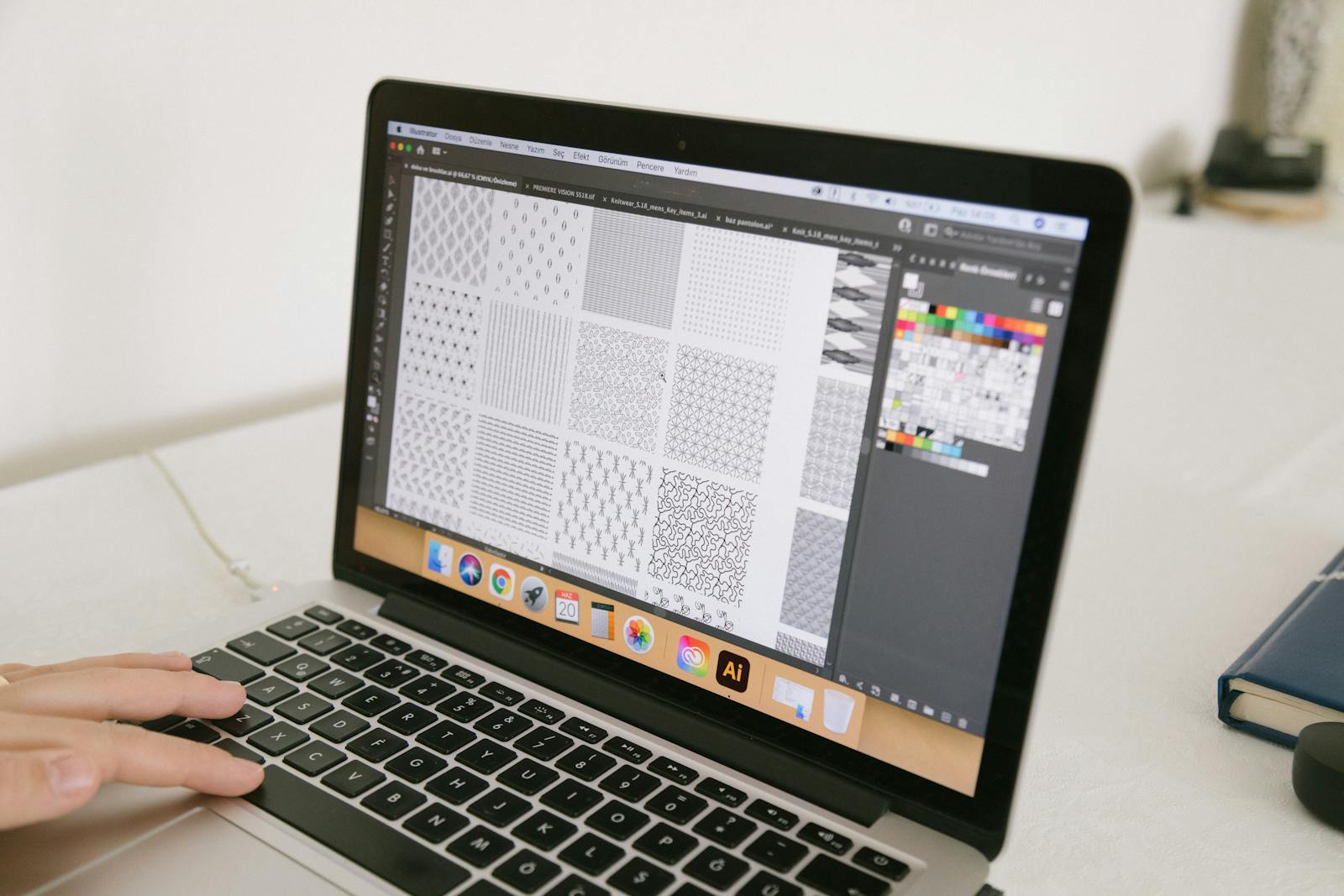
Graphic designers have unique advantages in finding clients because visual work speaks louder than descriptions. A strong portfolio, strategic positioning, and visibility in design communities create a steady stream of inquiries. The key is moving beyond generic platforms into spaces where clients actively seek design expertise.
Portfolio Platforms: Where Design Gets Seen
Dribbble and Behance are design galleries where clients browse. These aren’t job boards; they’re showcase platforms. Designers post finished work and clients discover them. To succeed, curate your best work strategically. Choose six to ten pieces representing your niche, not every project.
If you design for SaaS companies, show SaaS work. Specialize in e-commerce packaging? Feature that. Specificity makes you discoverable. When a SaaS founder searches “SaaS UI design,” they find you quickly.
Quality presentation matters. Include case studies explaining the problem, your solution, and results. “Designed a dashboard UI” is forgettable. “Simplified a complex data visualization, reducing user errors by 35%” shows impact.
Niche-Specific Platforms and Communities
Your niche determines where clients look. Book designers find clients in publishing communities and platforms like 99designs. Social media designers network in Instagram design communities and TikTok creator spaces. Brand designers connect with startup founders through design-focused Slack groups and LinkedIn.
Join communities relevant to your niche. A packaging designer might join CPG Facebook groups, participate in design forums, and network with label manufacturers. They’re selling to businesses, not designers.
Identify three industries you want to serve, join their communities, and show up as a knowledgeable designer. Don’t pitch immediately. Contribute value. Answer questions. Critique design choices. Share insights. After weeks of being helpful, when you mention your services, people listen.

Direct Outreach: Finding Your People
Research companies in your niche. If you design tech interfaces, find ten early-stage SaaS startups needing better design. Check their websites, products, and teams. Personalized outreach works: “I noticed your dashboard UI has improved, but I see opportunities to reduce onboarding time. I’ve done this for three similar companies, and here’s an example.”
This approach takes time but converts better than broadcasting to hundreds. One designer landed a $10,000 retainer by researching and discovering a client’s website was outdated. Her email wasn’t “I do design.” It was “Your competitor just launched a redesigned site. I can help you match that.”
Referral Networks and Repeat Clients
Referrals are your most valuable client source. After five clients, ask them for introductions to three people who might need design. Offer a referral bonus if you want. Many designers get 50% of work from referrals within two years.
Repeat clients compound this. One retainer client for ongoing brand work brings monthly revenue plus a reference for similar companies. Telling prospects “I’ve done ongoing design for three e-commerce brands” is more credible than “I can do any design.”
LinkedIn for Design Visibility
LinkedIn isn’t just for corporate jobs. Many freelance designers build audiences there by posting about design principles, sharing portfolio work, and commenting on industry news. A designer with 5,000 engaged LinkedIn followers gets regular inquiries from people who’ve seen their insights.
Post design breakdowns. “Here’s why this e-commerce site converts better: they simplified the checkout process.” Explain design decisions. Show before-and-afters. Share lessons from client work anonymously. This shows you understand both aesthetics and business impact.
Pricing and Package Offerings
Designers often undercharge because the work feels fast. A logo designed in three hours looks cheap at hourly rates. Bundle work into packages instead. “Brand identity package: logo, color palette, typography guide for $3,000.” This positions design as strategy, not commodity.
Specialized designers charge more. “SaaS landing page conversion optimization” commands higher rates than “I design websites.” Specificity and results justify higher pricing.
Use Waco3 to send professional proposals quickly. Clients take you seriously when proposals are polished and detailed. Include timelines, revision policies, and deliverables clearly.
Designers who specialize, showcase results, and network strategically attract premium clients who value design as a business tool.
Related: Learn how to get freelance clients through personal branding, or explore general strategies for finding freelance clients online.
Ready to send stronger proposals?
Build, send, and track proposals in one place so follow-up is easier.
Start your free trial →