The most common reason a freelance invoice stalls isn’t the amount, it’s the approver not remembering what the work was. Invoices arrive days or weeks after delivery. The project is over. The urgency is gone. The approver opens a document with a number and a line item and thinks, “what exactly was this for?” That question is the start of a delay.
The Sales Development Playbook principle: never let your buyer reconstruct context without you. The invoice is a buying decision, the client is deciding whether to approve and release payment. Like any buying decision, it’s faster and cleaner when the buyer has a clear picture of what they’re paying for.
The invoice narrative block gives them that picture in 2 sentences. It doesn’t replace line items. It contextualizes them.
Why Invoice Disputes Happen
Most invoice disputes among freelancers have one of three root causes.
Cause 1: The approver isn’t the person who commissioned the work. The original buyer (who loved what you did) has handed the invoice to an AP department or finance contact who has no context for the project.
Cause 2: Time lag. The work was delivered 3 weeks ago. The project feels distant. The invoice feels like it’s from a different era.
Cause 3: Scope drift. The scope changed during the engagement, but the original agreement is what the approver sees. Without context, the difference between the original estimate and the actual invoice looks like an error.
All three causes have the same solution: more context at the point of approval. The narrative block delivers that context in the invoice itself, exactly where the approver is looking.
The most expensive invoice dispute is the one that delays payment by 2–3 weeks while everyone reconstructs what happened. The narrative block costs you 60 seconds to write. The alternative costs you days of follow-up and relationship strain.
The 2-Sentence Formula

The narrative block has two sentences with specific jobs.
Sentence 1, What was completed, and when.
This sentence names the deliverable(s), states the completion date, and optionally references the scope document or agreement. It answers the approver’s first question: “What am I paying for?”
Template: “This invoice covers [deliverable description], completed and delivered on [date], per the [agreement/scope of work/proposal] dated [date].”
Sentence 2, What value it was designed to create.
This sentence connects the deliverable to the business outcome the client cared about. It answers the approver’s second question: “Why does this matter?”
Template: “The [deliverable] was designed to [business outcome or problem solved], specifically addressing [brief context about the client’s goal or challenge].”
Together, the two sentences take 60 seconds to write and give any approver, including one who wasn’t involved in the original project, everything they need to approve without follow-up questions.
Three Real Examples
Example 1, Website copywriter, 5-page rewrite
This invoice covers the complete rewrite of [Client]‘s five core website pages (Home, About, Services, Pricing, Contact), delivered November 10, 2026, per the proposal signed October 22. The new copy was developed to reduce bounce rate on the Services page and improve conversion on the Contact form by sharpening the value proposition and removing friction from the decision path.
Example 2, Brand strategist, positioning sprint
This invoice covers the 3-day Brand Positioning Sprint delivered to [Client] the week of October 28, including the Positioning Statement, Audience Map, and Messaging Hierarchy documents, per the scope of work signed October 14. The sprint was designed to resolve the conflict between [Client]‘s enterprise and SMB messaging, giving the marketing team a clear framework for campaign segmentation going into Q4.
Example 3, Developer, performance optimization
This invoice covers the performance audit and optimization engagement completed November 5, 2026, including Core Web Vitals improvements, image pipeline optimization, and server-side caching implementation, per the statement of work signed October 18. The work was targeted at improving Lighthouse scores to 90+ and reducing LCP under 2.5 seconds to address the page ranking penalties identified in October’s SEO audit.
Notice what each example does: it names exactly what was delivered, anchors it to a signed agreement, and connects it to a specific business goal. The approver doesn’t have to ask a single follow-up question.
Where to Put It in the Invoice
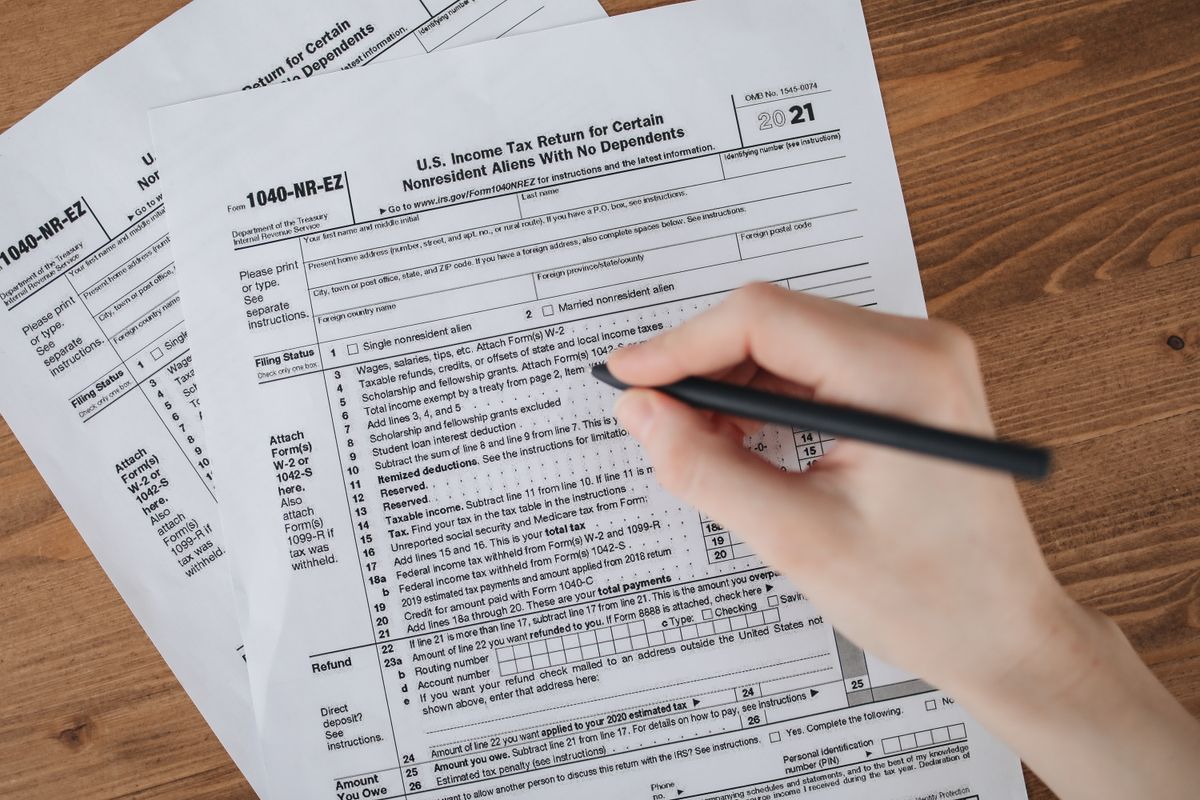
Invoice layout, top to bottom:
- Invoice header (your name/logo, client name, invoice number, invoice date, due date)
- Narrative block, 2 sentences, plain font, 1 paragraph, no bullets
- Line-item table (deliverable descriptions, hours/units, rates, subtotals)
- Totals (subtotal, tax if applicable, total due)
- Payment instructions (method, banking details, online payment link)
The narrative sits above the line items because it provides the context needed to understand them. Reading the narrative first, then the line items, gives the approver a coherent picture. Reading line items first, with no context, is where confusion starts.
Formatting: plain paragraph text, no special styling beyond your invoice’s standard body font. The narrative should not look like marketing copy. It should look like clear professional communication.
The Scope-Drift Version
When the scope changed during the project, more rounds of revisions, expanded deliverables, additional research, the narrative is where you acknowledge and contextualize the difference.
Template for scope-drift invoices:
This invoice covers the website copy rewrite originally scoped October 22, plus the two additional sections (FAQ and Case Studies) added to scope on November 3 per your email confirmation, and a third revision round requested November 8. All deliverables were completed and delivered November 12.
This narrative does three things: it names the original scope, explicitly references the change-order or client approval, and confirms completion. The approver now sees a logical explanation for why the invoice differs from the original estimate, without having to ask.
Scope-change invoices without a narrative create disputes almost by default, the approver sees a number that doesn’t match the original agreement and has no explanation. A single narrative sentence resolving that gap prevents the dispute before it begins.
Adding It to Your Template
Most invoicing tools have a “notes” or “memo” field. That’s where the narrative goes. Pre-fill the field with a placeholder:
“[Project: what was completed, when, per which agreement. Value: what it was designed to achieve for the client.]”
At invoice time, replace the placeholder with the actual 2-sentence narrative. Takes 60 seconds. The placeholder ensures you never accidentally send an invoice with the field blank.
Some freelancers write the narrative draft at project kickoff, a rough version of what the work is intended to accomplish, and refine it at invoice time. This approach has an added benefit: it forces you to articulate the value proposition of your own work before you start, which tends to make the work itself more outcome-focused.
Related Reading
- The “Invoice the Day You Finish” Discipline: Same-Day Invoicing Doubles Cash Flow Speed
- The “Pre-Invoice Heads-Up” Email: A 24-Hour Notice That Lifts Payment Rates
Ready to send stronger proposals?
Build, send, and track proposals in one place so follow-up is easier.
Start your free trial →