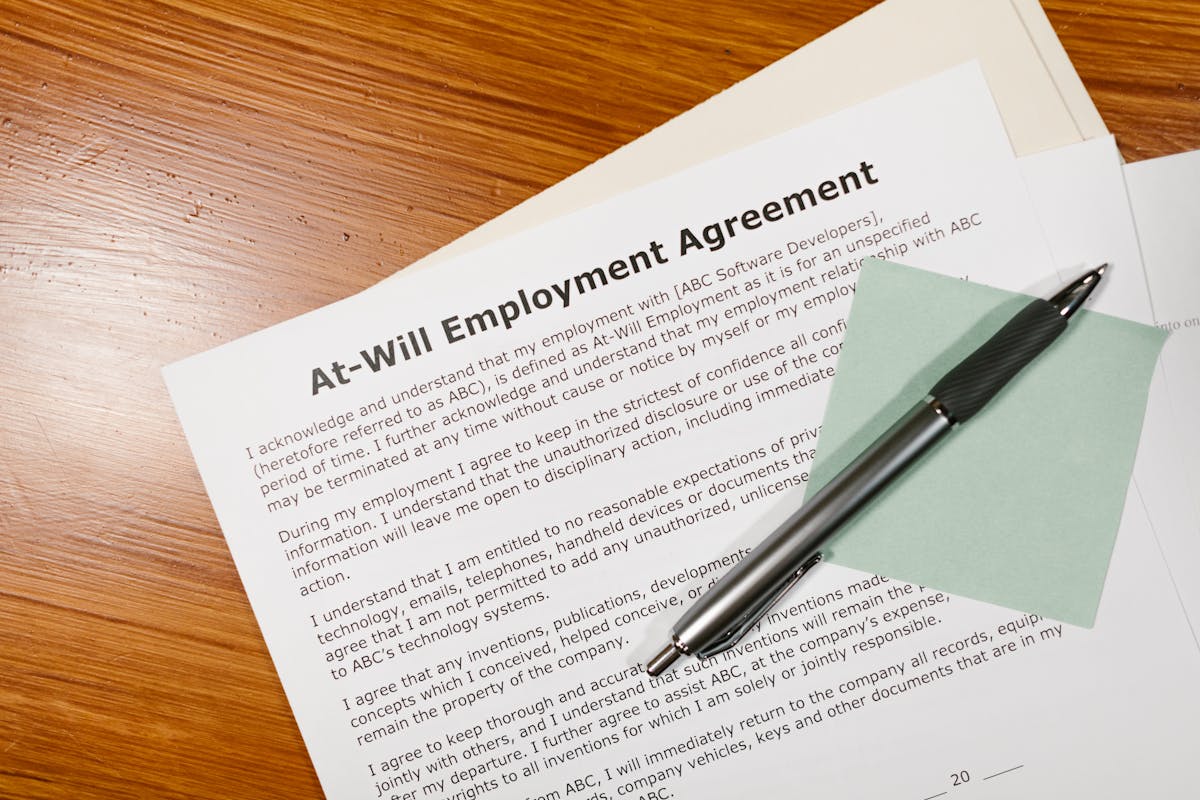
Every freelancer knows the feeling: a great call, genuine excitement, a verbal yes, and then silence for two weeks. The buyer didn’t disappear because they changed their mind. They disappeared because you handed them a passive object (a contract) and asked them to act on it alone. The Mutual Action Plan close fixes this by making the buyer a co-author of what happens next, before the contract is even sent.
Why Standard Closes Fail at the Final Step
Most freelancers end a closing call with some version of: “I’ll send over the contract and we can go from there.” That sentence puts 100% of the momentum on the buyer’s to-do list, in competition with everything else in their inbox. There is no shared stake. There is no joint commitment.
Research from B2B sales programs consistently shows that buyers who make even a small behavioral commitment before signing, such as stating a start date out loud, writing their name on a document, or identifying one thing they will send, are significantly more likely to complete the transaction. The MAP formalizes this commitment at the exact moment the buyer’s enthusiasm is highest.
The MAP Framework: Two Columns, Fourteen Days
The standard MAP structure is a two-column table covering days 1 through 14:
Column A, Your Actions: What you will do, and when. Your first deliverable draft date, your onboarding questionnaire send date, and your day-14 milestone review invitation.
Column B, Their Actions: What they commit to providing. Typically: brand assets or login access by day 2, feedback on the first draft by day 7, attendance at the day-14 review.
Keep it to 4 to 6 rows. A MAP with 12 rows is a project plan, not a closing tool. The goal is to create the minimum shared commitment that makes both parties feel the project has already begun.
The Live Co-Build Script
The language that makes this work is specific. Do not say “I’ll send you a plan.” Say this instead:
“Before we close out, can we spend three minutes mapping what the first two weeks look like? I find deals run smoother when both sides know exactly who’s doing what in the opening stretch.”
Then share your screen (or a Google Doc link) and fill in your column first. Once your side is complete, hand the metaphorical pen:
“On your end, what’s the fastest you could get me access to [specific asset they mentioned on the call]?”
Their answer becomes their first MAP entry. Write it in. Confirm it aloud. That micro-confirmation is the commitment mechanism that converts.
Fill in your column first. Handing the pen after you’ve gone first is not pressure. It’s reciprocity. Buyers almost always match the specificity you modeled.
The Three MAP Milestones That Matter Most
Not all entries carry equal weight. The three with the highest psychological impact:
- The First Input Deadline, a specific date by which the buyer sends you something. This makes delay feel like a broken promise, not just slow momentum.
- The First Draft Date, when they’ll see your first output. Concrete anticipation of value accelerates the decision to sign now rather than later.
- The Day-14 Milestone Review, a named meeting already on the calendar. Buyers who calendar a check-in before signing are 2.1x more likely to complete onboarding without going dark.
What to Do If They Push Back
Pushback on MAP co-building is rare, but when it happens, don’t abandon the structure. Compress it:
“Of course, let’s get the contract done first. One quick thing so I can set everything up: what day works for our first check-in? I’ll put it in the contract notes so we’re already aligned.”
You’ve slipped the single most important MAP element, the first meeting date, into the contract itself. The buyer commits to a specific date, which produces the same pre-commitment effect even without the full two-column table.
Sending the Contract After the MAP
Once the MAP is complete, the contract is no longer a cold document drop. Use this framing:
“Perfect, I’ll get the contract over in the next hour. It’ll reference the [date] check-in we just mapped. Once you’ve signed, I’ll send the onboarding questionnaire so we can hit that day-2 target on your side.”
Notice the structure: the contract references the MAP, the MAP is already real in both parties’ minds, and the buyer’s first action is already agreed upon. The document arriving in their inbox is confirmation of a commitment they’ve already made, not a new ask they have to evaluate cold.
The 3x Close Rate: What’s Behind the Number
Sales development research tracking deal outcomes found that when both parties document shared next steps before contract delivery, even informally, close rates triple compared to deals where only the seller documents next steps. The mechanism is not complicated. It is the psychology of consistency: people follow through on commitments they’ve articulated aloud and written down. The MAP produces both in under five minutes.
The MAP doesn’t close deals by adding pressure. It closes deals by making the buyer feel they’ve already started, and no one wants to quit something they’ve already begun.
The One-Line MAP for Small Deals
For projects under $2,000, the full two-column table may feel disproportionate. Use the one-line MAP instead: “Before I send the contract, just to make sure timing works, what’s your availability for a quick 15-minute kickoff call in the next three days?” Their answer is their MAP entry. Write it in the contract notes. Send the contract. The principle is identical to the full version; the execution takes 20 seconds.