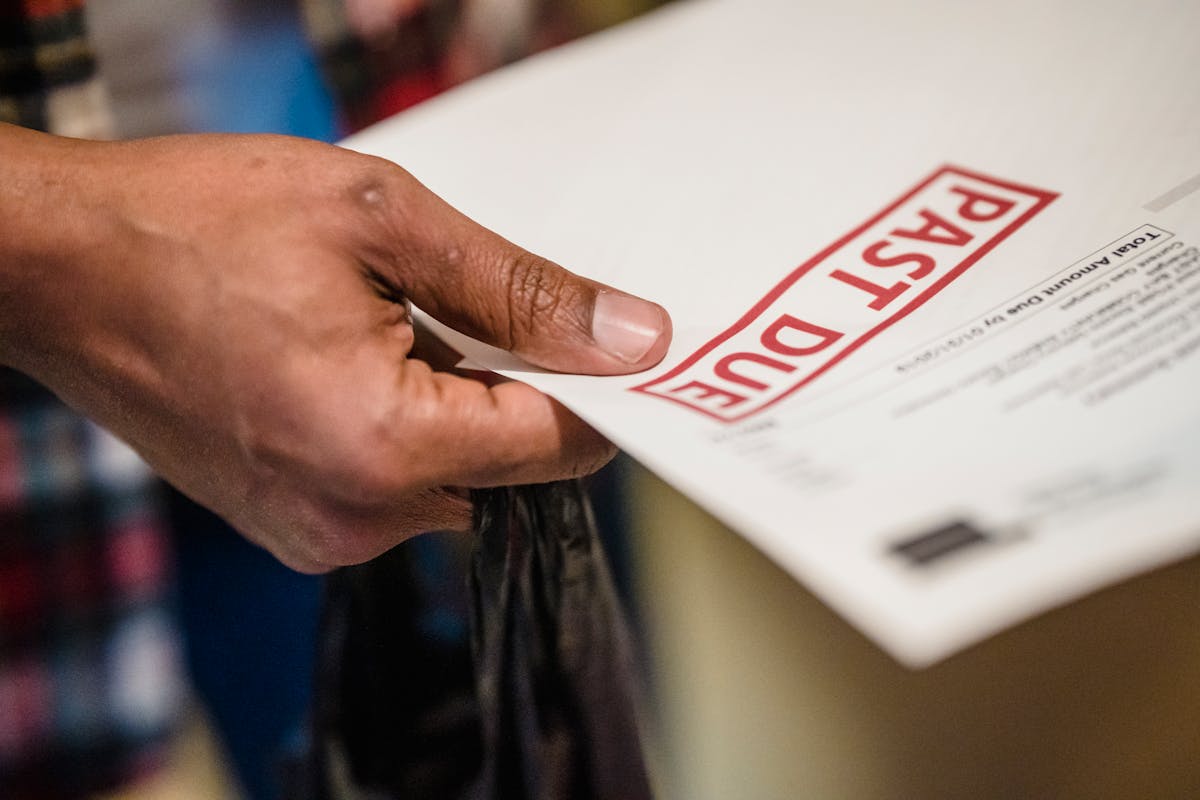
Payment terms define when a client owes you money. Understanding standard terms protects your cash flow and prevents disputes. Most freelancers use one of five standard terms, each with pros and cons depending on client type and project size.
The Five Standard Payment Terms
Due on Receipt: Payment when they get the invoice. Best for cash flow but feels aggressive to corporations. Use for small clients, one-offs, or new relationships.
Net 15: Due 15 days after the invoice date. Most common for freelancers and small business. It balances your cash flow with achievable timelines for clients.
Net 30: Due 30 days after invoice date. Standard for larger companies and B2B. Professional, but you wait a month, which strains freelancer cash flow.
Net 45: Due 45 days after invoice date. For very large projects or long-term contracts. Risky for freelancers because payment gets delayed significantly.
Net 60: Due 60 days after invoice date. Large companies sometimes require this. Avoid unless you have substantial capital reserves.
When to Use Each Term
Choose based on client type and project size.
Individual clients or small projects: Use “Due on receipt.” They expect quick invoicing and pay after approval. Net 15 feels like you’re stalling project acceptance.
Small business clients: Use “Net 15.” Professional, expected, and gives them two weeks. Most can handle it easily.
Corporate clients: Use “Net 30.” This is standard in corporate accounting. Requesting Net 15 signals inexperience. They have month-end payment runs and expect Net 30.
Large contracts or retainers: Use “Net 30” with an option for Net 45 if needed. Offer early payment discounts: “2% discount if paid within 10 days.”

How Payment Terms Affect Cash Flow
Net 15: Invoice May 28, expect payment by June 12. Quick, good for freelancers.
Net 30: Invoice May 28, payment due June 27. A month is long if you’re waiting to pay your own bills.
Net 45: Invoice May 28, payment due July 12. Six weeks total. High risk if they’re late or slow.
For freelancers with irregular income, Net 15 beats Net 30. Two weeks versus four weeks directly impacts your ability to pay bills and reinvest.
State Terms Clearly on Your Invoice
Don’t assume clients understand your terms. State them explicitly:
“Payment Terms: Net 15” or “Due Date: June 12, 2026 (15 days from invoice date)”
Some use both formats. The clearer you are, the fewer disputes you’ll have.
Early Payment Discounts
Incentivize faster payment: “2% discount if paid within 10 days.” Works well with Net 30 clients.
Example: Invoice total $1,000. Pay within 10 days, they pay $980. After 10 days, full amount due.
Discounts cost you a small percentage but boost cash flow. For freelancers waiting on Net 30 invoices, a 2% discount that speeds payment by three weeks is usually worth it.
Net 15 is the sweet spot for most freelancers: professional enough for businesses, tight enough to protect cash flow.
Late Payment Fees
Charge interest on late payments. Common rates are 1-2% per month overdue.
Example: “Late payments accrue interest at 1.5% per month overdue.”
Invoice $1,000 due June 27. If paid July 27 (30 days late), interest is $15 (1.5% of $1,000).
State this on invoices and contracts. Late fees signal you’re serious about timely payment and often push clients to pay on time.
Most freelancers don’t enforce them, but stating them prevents delays. Clients respect terms they see as enforceable.
Retainer and Recurring Invoices
For retainers or monthly work, specify the cycle: “Monthly invoices due on the 1st of each month, Net 15.”
You invoice on the 1st, they pay by the 15th. Consistency helps them budget and pay on time.
Clarify whether unused hours roll over: “Unused hours expire at month end” or “Unused hours carry to next month.”
Contract vs. Invoice Terms
Your contract should specify payment terms. The invoice reinforces them but doesn’t override the contract.
If your contract says “Net 30” but you invoice “Net 15,” the contract usually prevails. Keep them consistent.
If clients request different terms, update your contract or get written agreement before work begins.
Deposit or Partial Payment
For large projects, request a deposit upfront: “50% deposit due upon approval of project scope, remaining balance due upon completion.”
Deposits lower your risk and boost cash flow. Clients take projects seriously when they’ve paid upfront.
State deposit amounts and final balance deadline clearly on invoices.
When Clients Push Back on Terms
If they request Net 45 but you need Net 15, negotiate. Offer compromises:
“I can do Net 30 if you pay a 5% premium, or Net 15 with a 5% discount.”
“Net 30 is our standard, but we offer a 2% discount for payment within 10 days.”
You’re not being difficult. You’re protecting your cash flow and meeting their needs.
Handling Late Invoices
If clients are consistently late, review your terms. Maybe Net 30 isn’t working. Consider switching to:
- Due on receipt
- Net 15 with early payment discount
- Partial upfront payment before work begins
- Requiring payment before final deliverables are sent
Your terms should work for your business. If they can’t meet them, they’re not a good fit.
Documenting Terms
Always document payment terms in writing:
- Include in your contract
- State on the invoice
- Include in your invoice email or cover letter
- Reference in payment follow-ups
This documentation protects you legally in disputes about due dates.
Industry Standards
Different industries have different norms. Consulting typically uses Net 30. Freelance creative work often uses Net 15 or due on receipt. Contractors often use Net 30 or Net 45.
Match your industry’s norms. Being out of step signals inexperience.
Related: How Many Days Do You Have to Pay an Invoice? Legal Answer covers the legal side of payment timelines.
Ready to send stronger proposals?
Build, send, and track proposals in one place so follow-up is easier.
Start your free trial →