Most freelancers end more days than they should with the same feeling: busy but not done. You replied to eight emails, took two calls, handled a scope revision, submitted an invoice, and updated your project tracker, and the one thing you actually needed to move forward on didn’t get touched. The day was active. It wasn’t productive in the direction that matters.
The root cause is sequencing. When you open email first, you’re loading someone else’s agenda into your attention before you’ve loaded your own. Every email you read is a potential priority displacement, a client’s urgency, a colleague’s question, a notification that feels more pressing than the work you planned. The work you planned gets pushed to afternoon, when energy is lower and interruptions haven’t stopped.
The one thing discipline fixes the sequencing. Before email. Before messages. Before the day has claimed any of your attention. One task written down, committed to, executed first. It takes two minutes to pick it. It takes 1-3 hours to complete. And when it’s done, the day has already succeeded, everything after is bonus.
The 2-Minute Morning Ritual
The ritual has three steps, executed before you open email, Slack, or any incoming message channel:
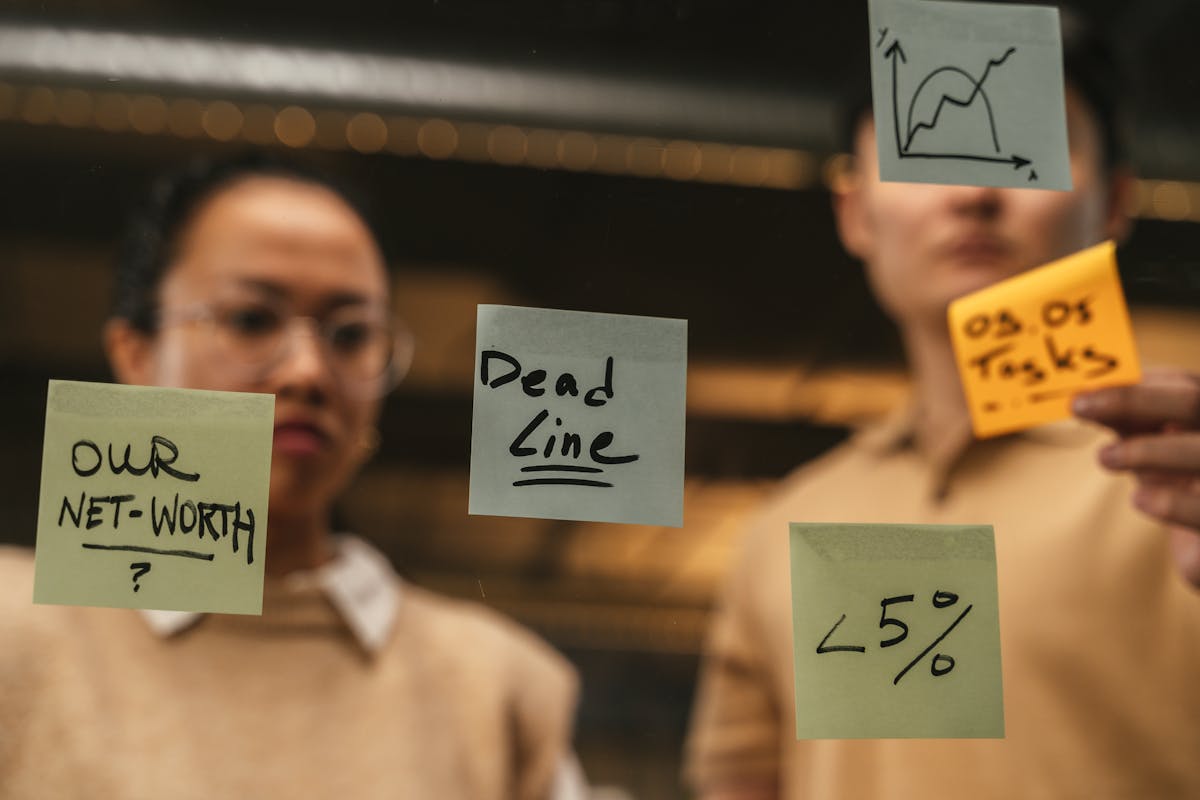
Step 1: Write the one thing. On a physical sticky note or in a Notion task created before yesterday ended: write one specific, completable task. Not a project. Not a category. A task. “Write the problem statement for the Farrokh proposal” not “work on the Farrokh proposal.” “Build the content calendar framework for October” not “content strategy work.” Specificity matters because vague tasks have no clear done state, you can half-do them and call it done.
Step 2: Confirm it with a one-sentence test. Read the task and answer: “If I complete only this today and nothing else, will I consider the day productive?” If yes, it’s the right one thing. If no, if the day would feel like a failure even if you complete it, it’s not important enough to be the one thing. Choose again.
Step 3: Begin immediately. Open the document, file, or project where the work lives and start. Not after checking messages “just to make sure nothing urgent came in.” Not after getting coffee (get it first, then sit down). The one thing starts before any input from the outside world.
That’s the ritual. Two minutes. No complexity. The power is in the sequencing, your own priority gets your first attention every day instead of competing for whatever’s left after reactive work.
What Qualifies as a One Thing
The one thing must meet three criteria:
Criterion 1: Creative or strategic, not reactive. Reactive tasks (responding to email, answering a client question, handling a revision request) are responses to external demands. They have to happen, but they don’t advance your work forward, they maintain the current state. The one thing must be generative: producing something new, advancing a deliverable, building something that didn’t exist before today.
Criterion 2: Completable in 1-4 hours. If the task takes more than half your deep work block to complete, it’s too large, it’s a project, not a task. Break it down until you have a completable unit. “Complete the competitive analysis” might be a 6-hour task. “Complete the pricing comparison section of the competitive analysis” is a 90-minute task. The completable unit lets you feel the daily win, which fuels the habit.
Criterion 3: Connected to a current priority. The one thing should connect directly to a project with a deadline, a client deliverable you’re committed to, or a business development goal you’ve explicitly set. Not the thing you’ve been meaning to do for months. Not the thing that would be nice to do eventually. The thing that, left undone today, creates a specific consequence.
Choosing Tomorrow’s One Thing Today
The morning ritual works better when the choice isn’t made in the morning. Make it the evening before, as the last action before closing your work for the day.
The evening pick (3 minutes): Review what you completed today. Look at your current project list. Identify the most important incomplete deliverable or forward-progress task for tomorrow. Write it on a sticky note and put it where you’ll see it when you sit down tomorrow morning.
When you wake up, the decision is already made. You’re not using morning cognitive energy on choosing, you’re using it on doing.
The other benefit: choosing the evening before activates background processing overnight. Your brain continues working on the problem while you sleep. Many freelancers report starting their one thing in the morning with a clarity that wasn’t available the night before, the solution appeared during sleep.
The moment you pick tomorrow’s one thing today, you’re treating your future self’s attention as a scarce resource worth protecting. Most solos treat their attention as infinitely flexible, available to whoever reaches out first. The one thing discipline is the structural rejection of that assumption.
The Selection Criteria: How to Pick the Right One Thing
When you have multiple candidates for the one thing, use this priority order:
First priority: A client deliverable that’s due within 3 days. Deadline-constrained client work always gets first priority. Your one thing should never cause a client deadline to slip.
Second priority: A high-value forward-progress task on your most important active project. The proposal for your highest-priority prospect. The key deliverable in your biggest current engagement. The asset that, if completed, unlocks the next phase.
Third priority: A business development task that moves your pipeline forward. Following up on a proposal that’s been pending for a week. Writing outreach to the three contacts you’ve been meaning to reach out to. These often feel less urgent than client work but have compounding strategic value.
Never the one thing: Email cleanup. Scheduling and calendar management. Reading and research without a specific deliverable output. Organizational tasks like filing, tagging, or cleaning up your project management tool. These are admin, valuable, but not forward-progress.
The Compound Effect of 220 Days
220 working days in a year. One meaningful task completed before reactive work starts each day.
Here’s what 220 specific, strategic one-things look like accumulated over a year:
A consultant focused on proposals: 220 proposal sections written, refined, or completed. Over the course of the year, this translates to faster proposal creation, higher proposal quality, and more wins, because the most important intellectual work on each proposal got the first and best hours of your day.
A consultant building content: 220 content assets initiated or completed. Articles drafted, frameworks documented, case studies structured. A year-end library of content that took 1-3 hours per day to build, invisibly, before reactive work started.
A consultant building systems: 220 process improvements, SOP additions, template creations, or workflow refinements. A business that operates more systematically at the end of the year than at the beginning, not from a dedicated “systems week” but from 220 small investments made before email opened.
The compounding is real because every one thing makes subsequent one things easier or faster. The proposal written on day 3 creates a template that makes day 47’s proposal 40% faster. The SOP documented on day 12 prevents the error that would have cost 3 hours on day 89. Small forward progress, accumulated daily, compounds in ways that a monthly goal or quarterly initiative never quite matches.
What Happens When You Miss a Day
You will miss a day. Travel, illness, a genuine client emergency that demands your first hours. Here’s the rule: miss without guilt, resume without ceremony.
The mistake is making the missed day into a narrative, “I broke the streak, I’m not a person who can maintain habits.” The one thing discipline doesn’t require a perfect record to deliver value. A year with 190 completed one things (not 220 because you missed 30 days) still represents 190 meaningful daily forward-progress achievements. That’s more than most solos produce in two years of unfocused effort.
When you return after a miss, the ritual is unchanged: write the one thing, complete the test, begin immediately. No modified ritual to “get back on track.” The ritual is the same every day.
The streak isn’t the point. The one thing isn’t a productivity challenge with a reward for consecutive days. It’s a sequencing discipline, a commitment that your own forward progress gets your first attention every day. The days when you maintain it multiply your best work. The days when you don’t are just days.
The Tool Doesn’t Matter. The Ritual Does.
Some solos use a physical sticky note placed on their keyboard the evening before. Some use a single-task Notion property called “Today’s One Thing.” Some use a dedicated card in Trello or a starred task in Todoist. Some write it on a whiteboard.
The format is irrelevant. The two criteria that matter: (1) it exists as a written artifact (not just in your head, writing it creates commitment), and (2) it’s visible before you open email (the physical or digital positioning matters, it should be the first thing you see when you sit down to work).
The two-minute ritual is the discipline. The sticky note or Notion entry is the artifact. Start with whatever tool you’ll actually use, and then resist the urge to upgrade the system. The one thing discipline has no phases, it’s the same two-minute ritual on day 1 as on day 220. That’s what makes it sustainable.
Start tomorrow. Tonight: write the one thing on a sticky note and put it on your keyboard. Tomorrow morning: do it first.
Ready to send stronger proposals?
Build, send, and track proposals in one place so follow-up is easier.
Start your free trial →