Overdue invoices wreck cash flow and stress you out. Stopping them before they happen beats fighting to collect later, but when they do go late, a solid plan recovers most of your money. This guide walks through both prevention and collection — including exact message templates for every stage.
Prevention: The First Line of Defense
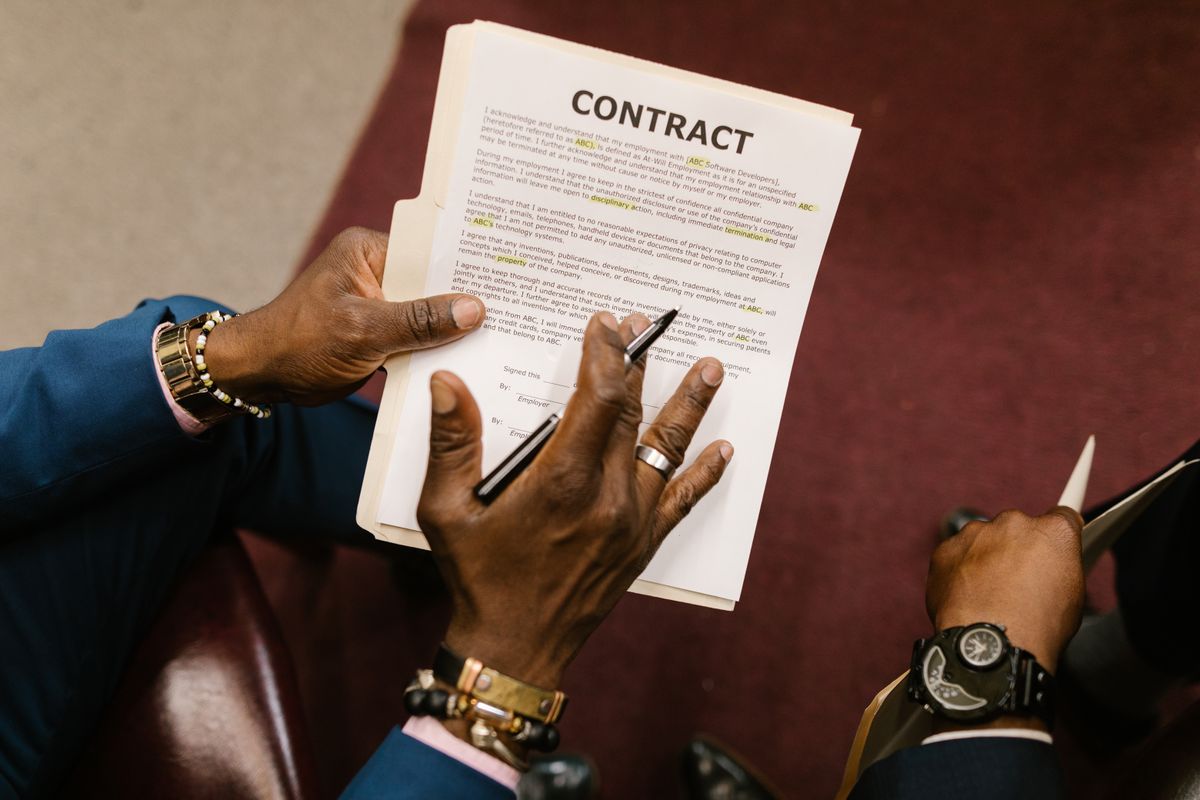
The best fix is to stop overdue invoices before they start. Be crystal clear on payment terms in your proposal or contract. Name the exact due date: net 15, 30, or 45. If you charge late fees, state the exact amount — something like “a 1.5% monthly fee on balances unpaid after 30 days” is specific enough that clients take it seriously.
Send invoices the day work ends, not a week later. Freelancers who invoice same-day get paid an average of 5–7 days faster than those who batch invoices at month end. The work is fresh in the client’s mind and the invoice arrives while they still feel good about the project.
Offer an early payment discount. Two percent off for payment within 10 days costs you $20 on a $1,000 invoice but can speed up cash by 3 weeks. Not every client will take it — large companies are locked into 30- or 45-day net cycles — but smaller businesses often jump at it.
Require a deposit on projects over $1,500. A 25–50% upfront payment filters out clients who were never serious about paying, and reduces your exposure if anything goes sideways.
Building Client Relationships That Support On-Time Payment
Clients pay people they like and trust faster than people they feel neutral about. Do good work on time, respond within 24 hours, and make payment as simple as possible — a payment link in every invoice, no hoops. Clients who respect your work don’t ghost your invoices.
When payment slips, start by assuming the client forgot. Accounts payable at a mid-size company might be processing invoices from 40 vendors. A friendly nudge often fixes it in 24 hours. How you follow up in these first moments sets the tone for the whole relationship going forward.

The Overdue Invoice Timeline — With Copy-Paste Templates
Here is a stage-by-stage breakdown with the exact message to send at each point. Adjust names and amounts to fit your situation.
Days 1–5 past due: Wait
Most clients pay within a few days of the due date. Hold off unless you know this client has a history of slow payment.
Days 5–10 past due: Friendly reminder
Send this by email. Keep the tone light — this is the “probably just slipped through” message.
Subject: Invoice #1042 — Quick Check-In
Hi [Name], hope the week is going well. Just a quick note that Invoice #1042 for $850 was due on [date]. If it’s already on the way, no worries — feel free to ignore this. If not, the payment link is below. Thanks!
Days 10–15 past due: Follow-up if silence
If you got no response or no payment, send this. The goal is to find out if something is blocking payment on their end.
Subject: Following Up — Invoice #1042
Hi [Name], following up on Invoice #1042 for $850, now [X] days past due. Is there anything on your end holding this up? Happy to resend or answer any questions. Just let me know the best way to get this resolved.
Days 15–20 past due: Direct ask for a date
At this point you want a commitment, not just acknowledgment.
Subject: Invoice #1042 — Can You Confirm a Payment Date?
Hi [Name], I’m following up again on Invoice #1042 for $850, now [X] days overdue. I need to plan my cash flow, so I’d appreciate knowing when to expect payment. Can you confirm a specific date? If there’s an issue with the invoice itself, let me know now so we can sort it out.
Days 20–30 past due: Pause new work
Stop all active work until payment lands. Send a brief, factual message.
Subject: Work Paused Pending Payment — Invoice #1042
Hi [Name], I’m pausing work on [project name] until Invoice #1042 ($850, [X] days overdue) is settled. I want to keep the project moving — please let me know when payment is sent and I’ll pick back up immediately.
Days 30–45 past due: Formal final notice
Keep the tone professional. State clearly what happens next.
Subject: Final Notice — Invoice #1042
Hi [Name], this is a final notice for Invoice #1042 for $850, now [X] days past due. If I don’t receive payment or a confirmed payment plan by [date 7 days out], I’ll need to pursue formal collection options. I’d much prefer to resolve this directly — please reach out today.
Days 45–60 past due: Small claims or collection agency
At this stage the informal path has been exhausted. See the section below on professional collection.
Most overdue invoices resolve at the first or second message. Having the template ready means you send it the same day — not a week later when you finally have time to think about what to write.
Documentation Is Everything
Save every email, contract, and payment record. If you ever go to small claims court, judges want to see a paper trail: the signed contract with payment terms, the invoice with the due date, and a log of every follow-up attempt with timestamps.
Use a spreadsheet or invoicing tool to track all unpaid invoices. Log the invoice number, amount, due date, and every follow-up you send. Update it weekly. When you have six open invoices at once, this list tells you which ones to chase first — usually the oldest and the largest.
Always follow up in writing, even if you called. After a phone conversation about a late payment, send a quick email: “Just confirming our call today — you mentioned payment would go out by Friday the 14th.” That one line protects you from later disputes about what was agreed.
When to Involve Collection Professionals
After 60–90 days of failed follow-ups, it’s time to hand it off. Two options:
Small claims court is the DIY route. Filing fees are typically $30–$100 depending on your state. No lawyer required. You present your contract, invoice, and correspondence. The whole process takes 2–4 months. Best for amounts between $500 and $10,000.
Collection agencies do the legwork for you — calling, negotiating payment plans, escalating to legal action if needed. The cost is steep: agencies typically keep 25–50% of whatever they collect. On a $2,000 invoice, you might net $1,000–$1,500. Worth considering for larger amounts or when you’ve already spent hours chasing the client.
Before going either route, do a quick math check. If the invoice is under $400 and you’ve already spent 3–4 hours following up, the additional time and stress may not be worth it. Larger amounts, especially from clients you want to formally document, are worth pursuing.
Using Software to Prevent and Manage Overdue Invoices
Manual tracking works until you have more than a handful of clients open at once. Invoicing tools handle most of this automatically — set payment terms once, and the system applies them to every invoice. Automatic reminders go out on schedule, late fees get calculated, and you get a real-time view of what’s owed.
The biggest win is removing you from the process entirely for routine follow-ups. The system sends the day-5 and day-10 reminders while you’re working on actual projects. You only get pulled in when something escalates.
Online payment links reduce friction dramatically. Some clients delay simply because writing a check or initiating a wire transfer feels like an annoying task. A link that lets them pay by card in 30 seconds eliminates that excuse.
Ready to send stronger proposals?
Build, send, and track proposals in one place so follow-up is easier.
Start your free trial →