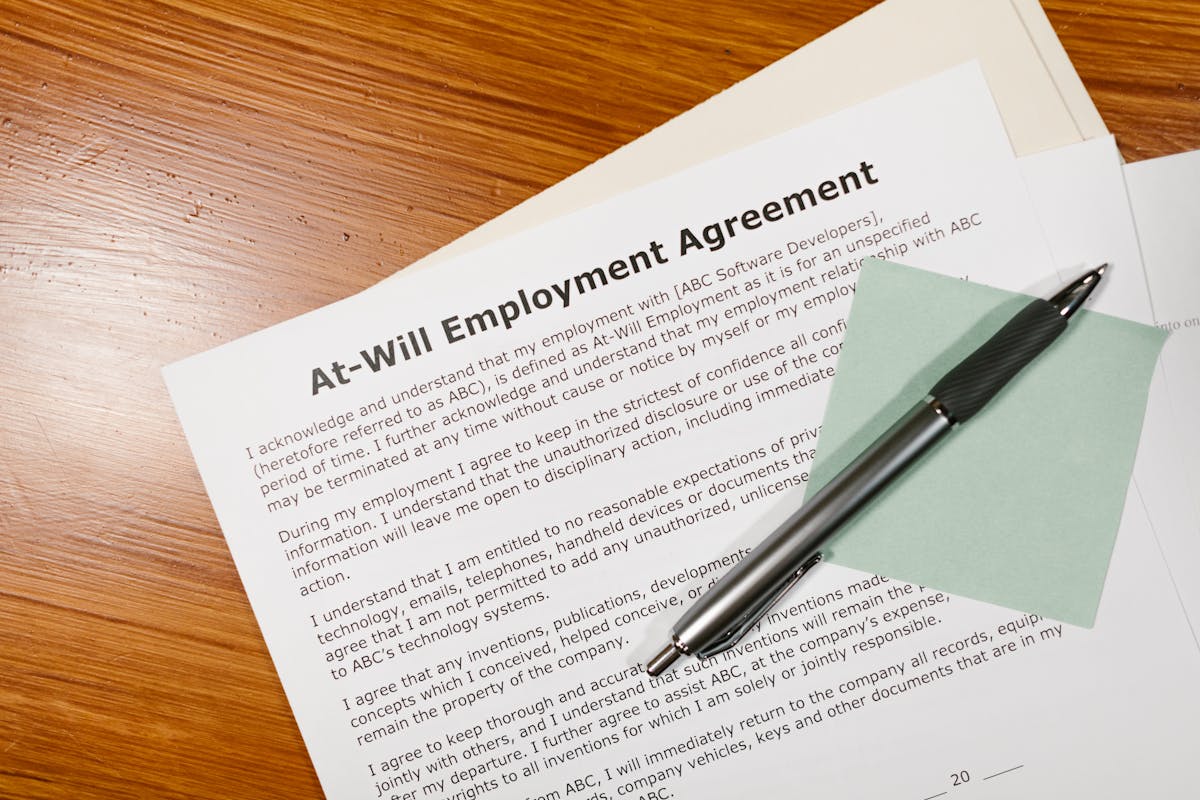
Sending a contract unannounced is one of the most common momentum-killers in freelance sales. The buyer seemed ready on the call. The contract arrives in their inbox two hours later. And then nothing. What happened is predictable: the contract triggered a new decision moment they hadn’t consciously agreed to yet. The permission ask prevents this by converting the contract send from an assumption into a confirmed step.
The Friction Hidden in “I’ll Send It Over”
When you end a closing call with “I’ll send the contract over,” you’re making a unilateral decision: this conversation has concluded and the next step is a document. The buyer may agree, but they haven’t said so explicitly. That gap between implicit and explicit agreement is where deals slow down.
A buyer who receives an unexpected contract faces a small but real mental task: re-evaluate whether they’re ready to proceed, review the document, and take action. Even a buyer who is 90% ready will frequently defer this task. “I’ll look at this later” becomes “I’ll look at this when I have time” becomes two weeks of silence.
The Permission Script
The ask is brief and conversational. Use it at the natural close of your call, after you’ve confirmed scope, price, and timeline:
“Everything we’ve talked about, does this feel like the right fit for what you’re trying to do?”
Pause. Let them confirm. Then:
“Great. Would it be okay if I sent you the contract today so we can get the start date locked in?”
That second question is the permission ask. It’s not asking whether they want to work with you, that was the first question. It’s asking whether they’re ready to receive the formal document right now. The distinction matters.
Two questions back-to-back: first confirm fit, then ask permission to send. Never merge them into one question. Each confirmation builds the next layer of commitment.
What a Yes Commits the Buyer To
When a buyer says “Yes, send it today,” they’ve made three implicit commitments:
- They’re acknowledging the project is moving forward
- They’re agreeing to receive and review the document in a relevant timeframe
- They’ve created a consistency obligation, they said yes, which means not opening the contract now creates mild cognitive dissonance
This is why same-day signature rates jump sharply when permission is asked explicitly. The buyer who said “yes, send it” is not re-deciding when the document arrives. They’re completing a step they already agreed to.
What to Do When They Say No
A “not yet” or “let me check with [person/timeline]” is not rejection, it’s the most useful information you can get before sending anything.
Your immediate response:
“Absolutely, what needs to happen on your end before it makes sense to move forward?”
Write down their answer. Repeat it back to confirm. Then:
“So if [condition] clears by [their stated timeline], would it make sense to connect again then and go from there?”
Now you have a conditional commitment and a follow-up trigger. You’ve converted a vague “not yet” into a specific re-engagement point. Send a calendar hold for the day after their stated condition should resolve, with a brief note: “Following up as we discussed, would love to send the contract over if timing works.”
Timing the Ask Precisely
The permission ask lands best in the last 90 seconds of a closing call, after you’ve confirmed:
- That the buyer understands the scope
- That the price has been accepted or negotiated to a settled number
- That the buyer has verbally agreed the approach fits their goal
If any of those three elements is still unresolved, asking permission to send the contract will expose the gap. Which is exactly what you want: gaps surface now, where you can address them on the call, rather than in three days of email back-and-forth after the document has already created a new decision moment.
Following Up When the Signed Contract Hasn’t Come Back
If you received a verbal yes to the permission ask and the contract hasn’t been signed within 48 hours, send this:
“Hey [name], wanted to make sure the contract came through okay on your end. Let me know if you ran into anything or if the timing has shifted and I can adjust the start date.”
That follow-up does three things: it checks for a technical issue (document didn’t arrive), it keeps the door open if something changed, and it reconfirms the start date, which reminds the buyer that there’s a specific window in play, not just an indefinite open offer.
The best contract follow-up asks one practical question and offers one adjustment. It doesn’t apologize for following up, and it doesn’t send a second copy of the contract unprompted.
The One Situation Where You Skip the Permission Ask
The only scenario where you bypass the permission ask is when the buyer ends the call by saying “send me the contract right now.” In that case, they’ve given you permission without being asked. Send it within 15 minutes. Any longer and you’ve introduced the same gap the permission ask was designed to prevent.