The closing call surprise is avoidable. The budget objection that derails the conversation, the competitor you didn’t know was in play, the internal stakeholder whose concerns just surfaced, none of these should catch you off guard. Every one of them was predictable if you’d spent 25 minutes before the call thinking clearly about what could go wrong. The pre-close pre-mortem is that 25 minutes. It doesn’t guarantee a yes. It guarantees you won’t lose a deal to something you could have prepared for.
The Logic of Imagining Failure First
The pre-mortem concept comes from decision science: Gary Klein’s research on “prospective hindsight” showed that imagining a future failure in detail produces 30% more accurate identification of failure causes than standard forward planning.
Applied to sales: if you sit down before a closing call and specifically ask yourself “What are all the ways this call could end without a yes?”, you’ll surface a more complete list of risks than if you simply review the proposal and hope for the best.
That list becomes your preparation checklist. Every item on it gets a prepared response before you dial in.
The 10-Point Pre-Close Checklist
Work through these before every high-stakes closing call:
1. Price. Is the investment clearly tied to a specific business outcome with a number attached? If the buyer questions the price, can you reframe in ROI terms within 30 seconds?
2. Timing. Is there a reason the buyer might say “not right now”? Do you have a response that respects the concern while surfacing the cost of delay?
3. Internal approval. Have you asked who else needs to be involved in the decision? If there’s a stakeholder you haven’t met, do you have a champion equip package ready?
4. Competing options. Is there another vendor in play? Do you know who they are, what they’re offering, and what your differentiator is relative to them?
5. Scope concerns. Did any element of the proposal produce hesitation or questions during the walkthrough? Do you know why and do you have an alternative framing ready?
6. Risk. What’s the buyer’s biggest fear about this engagement? Have you addressed it explicitly in the proposal or do you need to surface and address it on the call?
7. Success definition. Does the buyer have a clear picture of what success looks like in 90 days? Can you describe it in their language?
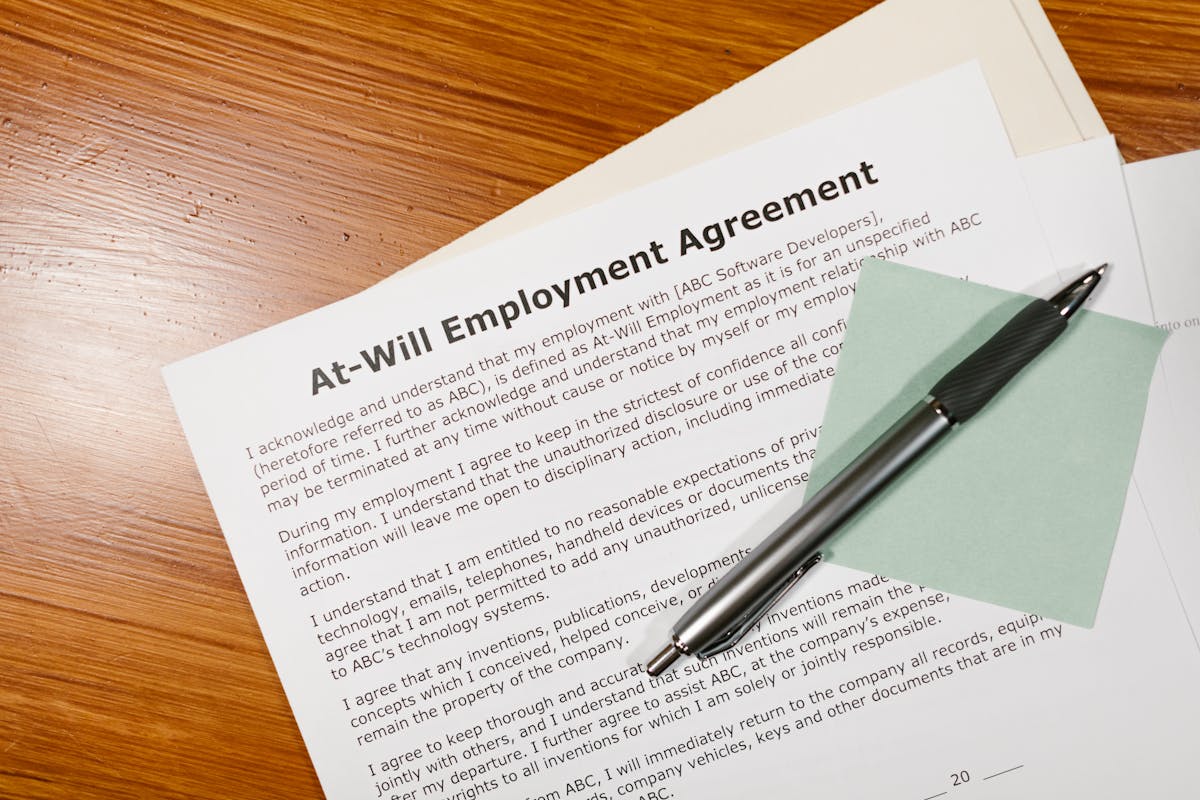
8. Contract and terms. Are there any terms in the agreement that might produce friction, payment schedule, IP clauses, revision policies? Have you prepped for questions on any of them?
9. Start date. Is there a timeline constraint on either side that might create conflict? Can you propose a flexible start that removes that friction?
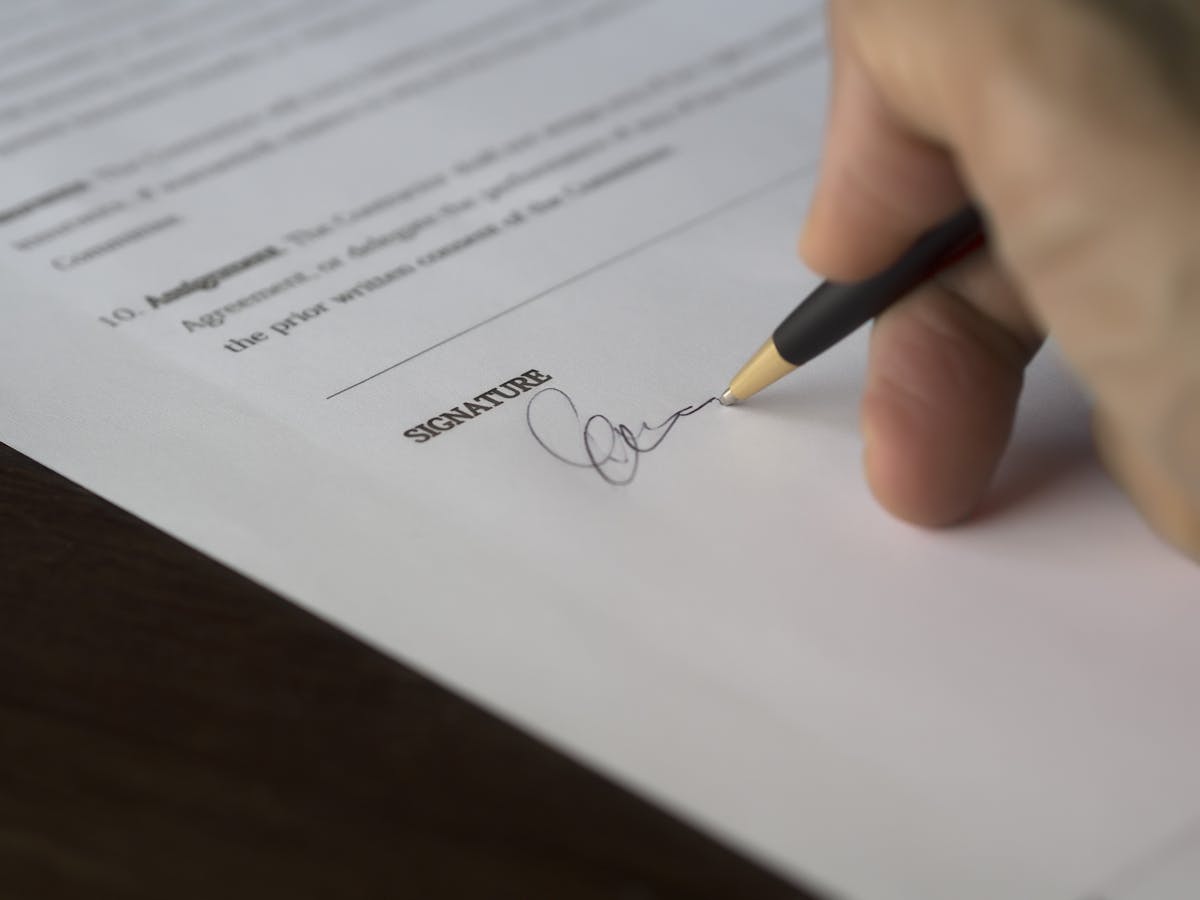
10. The ask. What exactly are you going to ask for at the end of this call? Is it a signed contract, a verbal yes, a first payment? Do you have the exact words ready?
Each unchecked box on the pre-mortem list is a live grenade in the closing conversation. Twenty minutes of preparation defuses most of them before you’re in the room.
Building the Response Map
For each item on the checklist where you identified a risk, write the objection in plain language and then write your response. The response format: acknowledge + reframe + redirect.
Acknowledge: “That’s a fair concern, and I want to address it directly.”
Reframe: “Here’s how I’d think about that…” (offer the alternative framing)
Redirect: “Given that, does this still feel like the right direction?” (return to forward motion)
The acknowledge-reframe-redirect pattern prevents defensiveness, you’re not dismissing the concern, you’re processing it seriously and offering a different perspective. That tone is what allows the buyer to update their position without feeling like they lost an argument.
The Stakeholder Map
Before the closing call, draw a simple map of everyone who has influence over this decision:
- Who is the final decision-maker?
- Who influences that person?
- Who has veto power?
- Who benefits most from the project succeeding?
- Who might feel threatened by it?
Most freelancers know the champion but haven’t thought carefully about the rest of the map. The stakeholder map helps you identify concerns that aren’t coming from the person on the call, they’re coming from someone in that person’s organization whose name you haven’t heard yet.
What to Do When a Surprise Objection Surfaces Anyway
Even the best pre-mortem misses some objections. When something surfaces that you didn’t prepare for:
-
Don’t answer immediately. “That’s a good question, let me think about it for a second.” A 5-second pause is not weakness. It’s the difference between a considered response and a regrettable improvisation.
-
Ask a clarifying question. “Can you tell me more about what’s driving that concern?” Often the objection you heard isn’t the objection they meant. A clarifying question gets you to the real concern.
-
If you genuinely don’t have an answer, say so and offer a timeline. “I want to give you the right answer on that, not a rushed one, can I follow up with a specific response by end of tomorrow?”
Saying “I need a day to give you the right answer” is a more confidence-inspiring response than an improvised one that unravels under follow-up questions.
How Long the Pre-Mortem Should Take
Twenty to thirty minutes for a deal you’ve been working for more than one call. Fifteen minutes minimum for any closing conversation. Skip it entirely only for small deals under $1,500 where the closing process is genuinely low-stakes.
For your largest and most important deals, consider doing the pre-mortem the day before and then a brief 10-minute refresh the morning of the call. The extra interval gives your subconscious time to surface concerns that the structured exercise didn’t catch.
The pre-mortem doesn’t guarantee a yes. But it guarantees that when the call ends, with a yes, a no, or a follow-up, you’ll know exactly what happened and why. That clarity is how you close better next time.