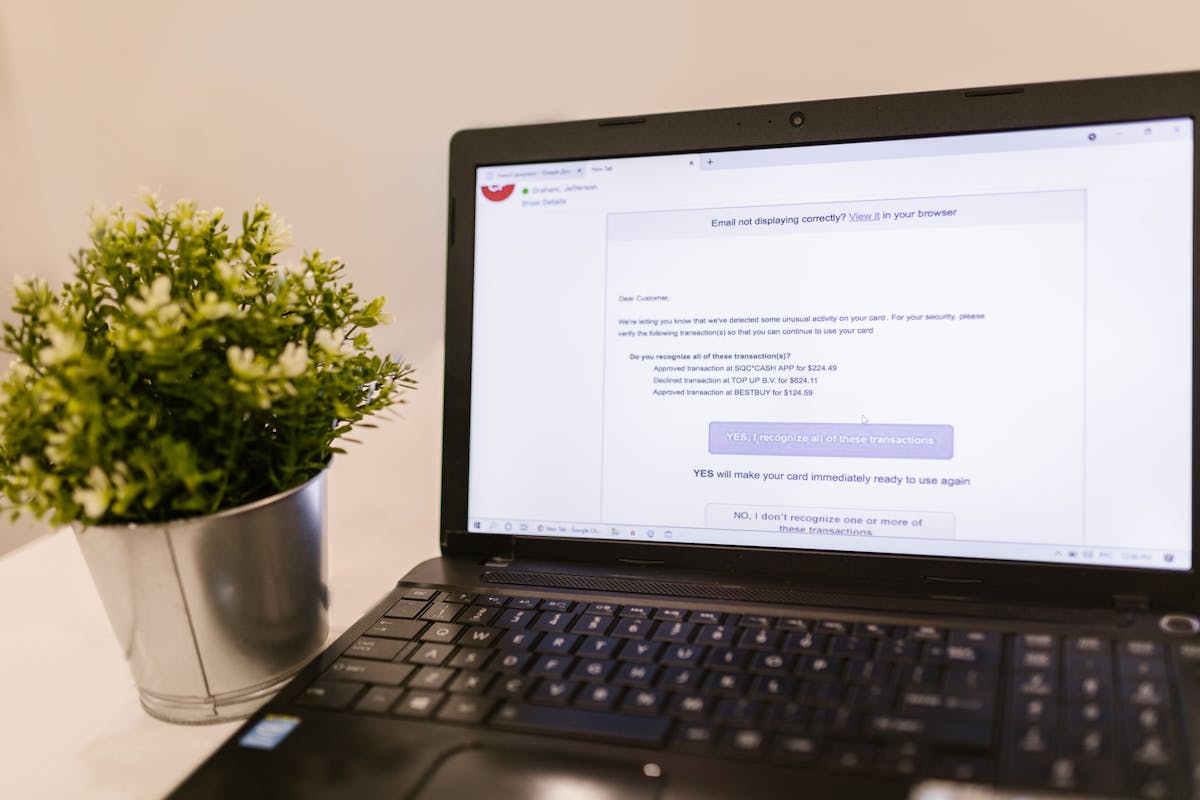
Few things mess with a freelancer’s head like watching a client open your proposal again, and again, and again, while their inbox stays empty. You start narrating their behavior. Are they sold? Are they shopping it around? Did they hate the price? Honestly, repeat opens with no reply is one of the easiest patterns to read in freelance sales once you stop catastrophizing.
Multiple opens almost never mean rejection
If a client wanted to say no, they’d open it once and move on. Five opens means the proposal is alive in their head. They’re either rereading it themselves or forwarding it to someone else who keeps opening it.
A few realistic interpretations of the client opened proposal no response pattern:
- They’re trying to convince a partner, finance lead, or co-founder
- They’re stuck on one line item (almost always pricing) and stalling
- They’re comparing your scope against a competing quote
- They’re waiting on a budget approval that hasn’t landed yet
None of these mean dead deal. All of them mean stuck deal. Your job is to unstick it.
What the tracking pattern actually tells you
If your proposal tool surfaces opens, dwell time, and section-level engagement, you can read the situation more precisely. A few patterns and what they tend to mean:
| Pattern | Likely meaning |
|---|---|
| 5+ opens, all under 30 seconds | They’re showing it to people, not reading it themselves |
| 2-3 long opens (4+ minutes each) | Real evaluation, probably solo decision-maker |
| Opens spaced across 7+ days | Internal approval process in motion |
| Heavy time on pricing section | Price is the friction point |
| Heavy time on scope section | They’re trying to understand what they get |
You don’t need to share any of this with the client. Use it to shape what you say next.
Why you shouldn’t mention the opens directly
Tempting move: “Hey, saw you opened the proposal a few times, any questions?” Don’t do it.
The client opened proposal no response situation gets worse, not better, when the client feels watched. They’ll go from undecided to defensive in one sentence. The data is for your eyes only. It tells you what to ask about, not what to confront them with.
The framing should be about helping them, never about catching them.
The 48-hour soft follow-up
After three to five opens with no reply across two days, send this:
Subject: Quick question on the [Project] proposal
Hi [Name],
Wanted to check in on the proposal I sent over. Any specific section I can clarify, pricing, scope, or timeline? Happy to walk through anything that would help the decision on your end.
[Your name]
What this email is doing:
- Gives them three labeled doors to walk through (pricing, scope, timeline)
- Names the decision openly without rushing them
- Costs them 10 seconds to reply with one word
Most clients who’ve been silent because they didn’t know what to say will reply within 24 hours.
When the pattern says “internal stakeholder”
If you see opens from multiple times of day, multiple devices, or a sudden burst of opens after a quiet week, someone forwarded it.
This is a great signal. It means your proposal is being shopped internally. Your job here is to make their internal champion’s life easier. The follow-up shifts:
Subject: Anything I can prep for your team?
Hi [Name],
If you’re sharing the proposal internally, happy to put together a one-page summary or hop on a quick call with whoever’s involved. Often easier than them reading the full doc.
[Your name]
You’re acknowledging the reality without naming it. The champion almost always says yes.
When the pattern says “price friction”
Long dwell time on the pricing section is the single most common pattern in client opened proposal no response situations. They’re staring at a number and trying to decide if it’s worth it.
Three ways to handle it:
- Restate the value, not the price. Send a short note recapping what the deliverable does for their business
- Offer a payment structure change, 50/50 instead of upfront, or three monthly payments
- Offer a small scope adjustment, not a discount. Drop one deliverable, drop the price proportionally
Never lead with a discount in your follow-up. Discount on request is fine. Discount as your opener teaches them you were overpriced.
When the pattern says “competing quote”
Repeated opens with no reply, plus questions about specific line items when they do reply, plus a sudden delay, they’re comparing.
You don’t win by trash-talking the competitor. You win by being easier to say yes to:
- Faster start date
- Clearer scope
- Tighter revision policy
- More accessible communication
A short follow-up that highlights one of these (not all of them) tends to break the comparison stall. Something like: “Wanted to mention, if timing matters, I have a slot opening next Monday that would let us ship by end of month.”
The second follow-up: 5 to 7 days later
If the soft follow-up gets no reply, wait 5 to 7 days. Then send one more, shorter:
Subject: Still good to revisit?
Hi [Name],
Following up on the proposal. Want me to keep the timeline available, or should I assume things have shifted on your end?
[Your name]
This is the start of permission-to-close territory. You’re giving them an easy way to say “not right now” without it feeling like a rejection of you.
What to do after that
Two follow-ups with no reply means you stop chasing weekly. The client opened proposal no response cycle has run its course. Move them to a 90-day nurture cadence. Three things happen from here:
- About 15 to 20 percent revive on their own when budget or timing shifts
- About 50 percent stay quiet permanently
- The remaining 30 percent reply to a thoughtful quarterly check-in
The 90-day check-in works because it’s spaced. Weekly check-ins train them to ignore you. Quarterly check-ins, with something useful in them, get opened.
The mental model shift
Stop thinking of opens-without-replies as silence. Think of them as motion. The deal is moving inside the client’s organization. Your job is to make the next step easier for them: answer a question they haven’t asked, give a stakeholder something to forward, offer a payment option that unblocks finance.
Most freelancers torture themselves over silent clients. The ones who close more deals just respond to the patterns calmly, send two follow-ups, then move on. Opens tell you the deal is alive. Your tone tells the client whether they want to work with you.
Ready to send stronger proposals?
Build, send, and track proposals in one place so follow-up is easier.
Start your free trial →