The restaurant group wants to reshoot all their menu photography across five locations, update their website hero images, and create a library of lifestyle shots for social media. You’ve done this before. You know the exact gear, lighting setup, and post-processing workflow that will make their food look editorial. But when you sit down to write the proposal, you realize that the gap between “I know exactly how to shoot this” and “here’s a document that justifies a $7,000 investment to someone who thinks photography is just pointing a camera” is wider than you expected.
Photography proposals collide with a perception problem that no other creative discipline faces with the same intensity. Everyone has a camera in their pocket. Everyone has posted a photo that got compliments. This makes non-photographers systematically underestimate the skill, time, and equipment required to produce professional imagery. Your proposal doesn’t just need to define scope and pricing, it needs to implicitly educate the client on why professional photography is a fundamentally different product from what their marketing intern can produce with an iPhone.
This education can’t be heavy-handed. The moment your proposal reads like a defense of your profession, you’ve lost. Instead, the sophistication needs to come through in specificity: the lighting plan, the shot list methodology, the post-processing pipeline, the usage rights structure. When a client reads a proposal that describes “dual-strobe product lighting with custom diffusion for consistent color temperature across 200 menu items,” they understand, without being told, that this isn’t something anyone with a camera can do.
The deliverables question is uniquely complex for photographers. A designer delivers files. A developer delivers code. A photographer delivers images, but which images, in what format, at what resolution, with what editing, and with what usage rights? A 500-image raw dump from a full-day shoot is not the same deliverable as 50 retouched selects with web and print versions. Your proposal needs to specify the number of final images, the level of retouching, the file formats, and the delivery method. Every one of these variables affects your pricing and timeline.
Usage rights are the single most misunderstood element in photography proposals, and they’re where photographers lose the most money. A client who pays $3,000 for a product shoot assumes they own those images forever, for any purpose. But commercial photography pricing has always been tied to usage: where the images appear, for how long, and in what markets. If your proposal doesn’t define usage rights explicitly, you’ve implicitly granted unlimited rights, and left substantial revenue on the table.
The timeline for photography projects has a unique structure. There’s the shoot itself, which might be a single day or a week, and then there’s the post-production, which often takes two to three times as long as the shoot. Clients routinely underestimate post-production time because they see photography as a single event (“the shoot”) rather than a multi-phase workflow. Your proposal needs to break this out clearly.
Why photography proposals are different
Photography proposals sell a physical event with a creative output. Unlike ongoing services (marketing, consulting) or digital builds (development, design), a photography engagement has a concentrated execution period that requires real-world coordination: locations, talent, styling, weather, and equipment logistics. This operational complexity needs to be reflected in your proposal without turning it into a production schedule.
The perishability of photography opportunities adds urgency that other proposals don’t face. A restaurant’s seasonal menu changes in three months. A corporate headshot session needs to happen before the new executives start. A product launch shoot has a hard marketing deadline. Your proposal should acknowledge these time constraints and build your timeline around them, not your availability.
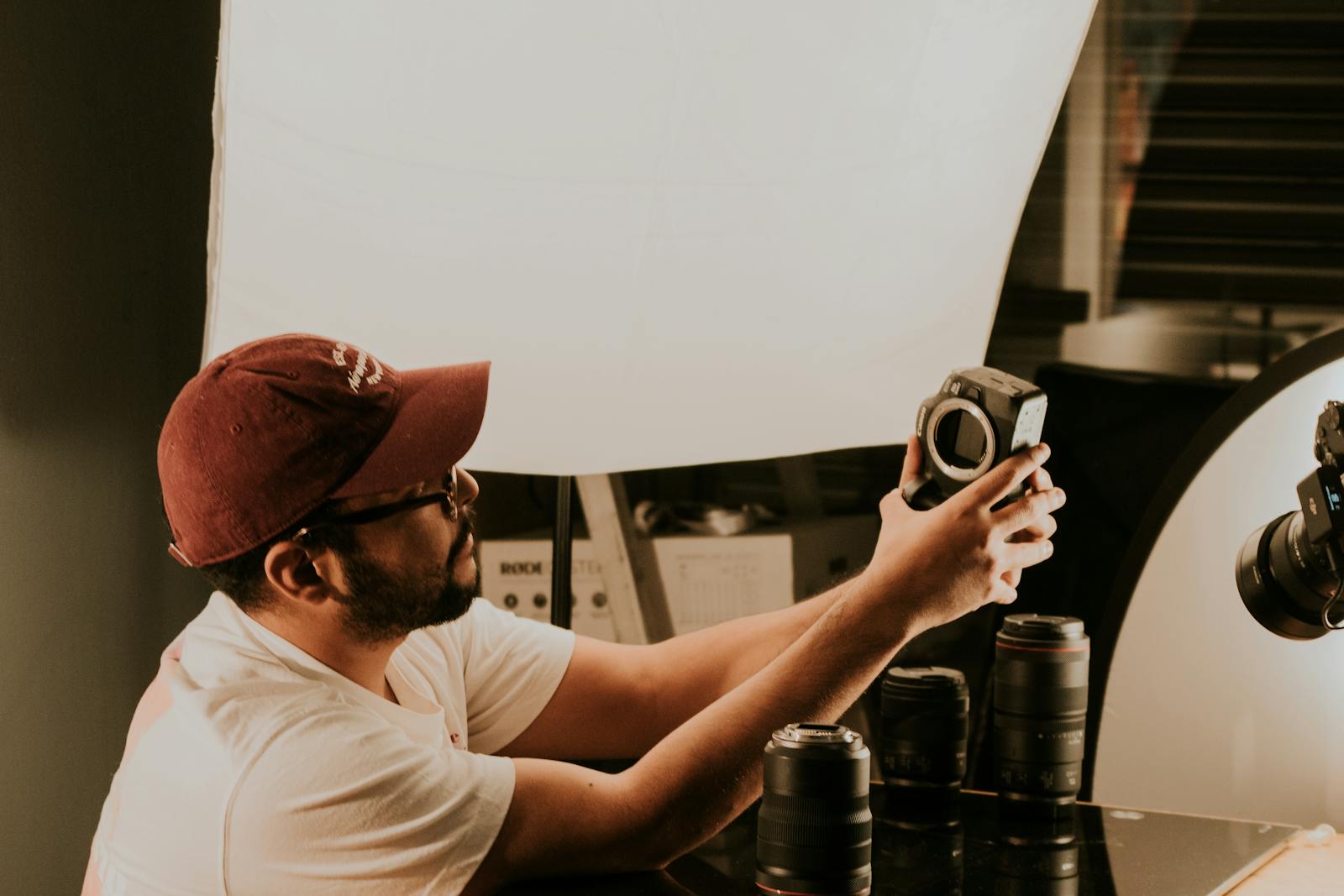
Photography also has a tangible cost structure that clients rarely see. Equipment investment (bodies, lenses, lighting, modifiers, backdrops), insurance, studio overhead, software subscriptions (Lightroom, Capture One, retouching tools), hard drive storage, and equipment maintenance all factor into your cost of doing business. Most photographers absorb these costs into their day rate without making them visible. A strong proposal acknowledges the production value the client is receiving.
The collaborative nature of photography distinguishes it from many freelance disciplines. You can’t shoot a brand campaign alone, you need access to the client’s locations, products, team members, and brand guidelines. Your proposal needs to define what you need from the client and when you need it. A product shoot requires the client to ship samples two weeks early. A location shoot requires advance site access. These dependencies belong in the proposal, not in a panicked email three days before the shoot.
The 7-part photography proposal
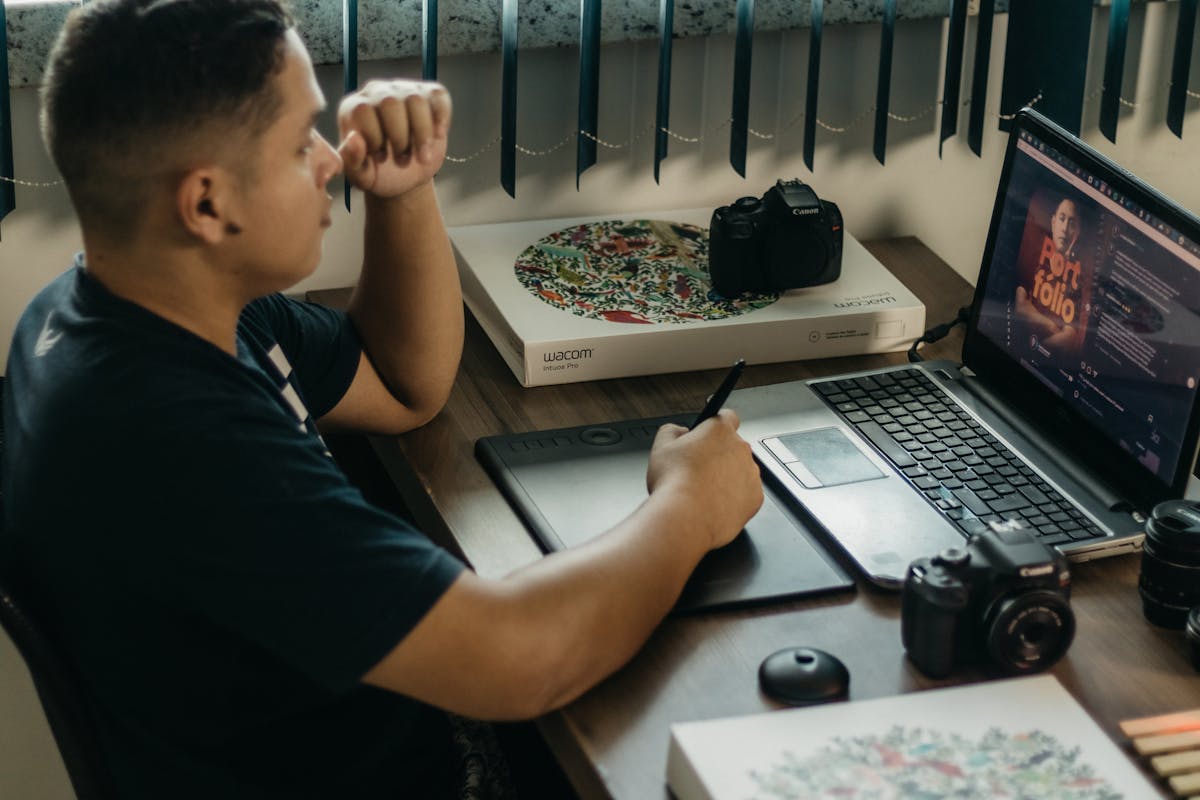
This structure adapts the general freelance proposal framework for the specific dynamics of commercial photography engagements.
Part 1: Cover letter
Open with the client’s visual challenge, not your credentials. If they said “our product photos look like they were shot in a basement,” acknowledge that directly. Reference the specific project, “the five-location menu reshoot”, and signal that you’ve thought about the logistics, not just the aesthetics.
Part 2: Executive summary
Four sentences: what you’re shooting, the intended use of the images, the timeline, and the investment range. Example: “I’m proposing a comprehensive brand photography package for all five restaurant locations, menu items, interior ambiance, and lifestyle shots for web and social. Total output: 200 retouched images delivered within 3 weeks of the final shoot date. Production spans 5 shoot days over 2 weeks, with investment between $5,500 and $9,500 depending on the package.”
Part 3: Understanding
Describe the visual gap the client is facing. Where are their current images falling short? What’s the business cost of bad photography? Reference specific examples: “Your current Google Business listing shows photos from 2022 that don’t reflect the recent renovation. Your Instagram engagement dropped 35% when you switched from professional to in-house photography.” Connect the photography investment to business outcomes the client cares about.
Part 4: Scope and shot list
Define the scope at three levels: the shoot plan, the deliverables, and the usage rights.
Shoot plan:
- 5 shoot days (1 day per location, 6-8 hours each)
- Menu photography: 40 dishes per location, styled with complementary props and surfaces
- Interior/ambiance: 10 images per location capturing design, atmosphere, and dining experience
- Lifestyle: 5 candid-style images per location showing real dining moments
- All lighting, equipment, and basic styling provided by photographer
Deliverables:
- 200 final images (40 per location, photographer’s selects from full shoot)
- Full retouching on all delivered images (color correction, exposure, white balance, skin retouching for lifestyle shots)
- High-resolution files (300 DPI, TIFF/PSD) for print
- Web-optimized files (72 DPI, JPEG/WebP) for digital use
- Organized by location in an online gallery with download access
Usage rights:
- Unlimited use across owned channels (website, social media, email, in-store signage) for 2 years
- Paid advertising usage: included in Professional and Complete tiers
- Third-party editorial/PR usage: included in Complete tier
- Full buyout (unlimited usage, all media, perpetuity): available as an add-on
Not included:
- Food styling (professional food stylist available as an add-on: $800/day)
- Location scouting (assumes shoots at existing restaurant locations)
- Model talent (lifestyle shots use real staff and willing patrons)
- Video capture or motion content
- Printing or physical deliverables
Part 5: Timeline
Photography timelines should separate pre-production, production, and post-production clearly.
- Week 1: Pre-production. Menu selection with client, shot list finalization, location visit for lighting assessment, scheduling coordination with restaurant managers.
- Week 2-3: Production. 5 shoot days scheduled across 2 weeks to accommodate restaurant operating hours (shoots before service, 8AM-2PM).
- Week 4-5: Post-production. Culling, retouching, color grading, file preparation, gallery upload.
- Week 5: Delivery. Online gallery delivered for client review. One round of selects revision (swap up to 20 images from outtakes).
Client responsibilities: finalize menu selections by Week 1, ensure locations are cleaned and set up by 7:30AM on shoot days, designate one point of contact per location.
Part 6: Pricing
Photography rates in 2026 vary significantly by specialization and market. Commercial food and product photographers typically charge $150-$500 per day for the shoot, plus post-production and licensing fees. Full project pricing ranges from $500 for a basic headshot session to $10,000+ for multi-day commercial campaigns.
Essential, $5,500 5 shoot days, 150 retouched images (30 per location), web-resolution files only, owned-channel usage for 1 year. Best for: updating digital presence with fresh, professional imagery.
Professional, $7,500 (Recommended) 5 shoot days, 200 retouched images (40 per location), high-res + web-optimized files, owned-channel + paid advertising usage for 2 years, one round of selects revision. Best for: a comprehensive image library that supports marketing across all channels.
Complete, $9,500 Everything in Professional, plus half-day food stylist for hero dishes (25 key items), extended retouching with compositing where needed, full usage rights including PR/editorial and third-party licensing for 3 years, and a 50-image social media content calendar with suggested captions. Best for: brands that need a turnkey visual content strategy, not just photos.
Part 7: Next steps
“To book the project: select your package, sign below, and I’ll send an invoice for the 40% production deposit within 24 hours. Upon receipt, I’ll begin pre-production, menu selection coordination, location assessments, and shoot scheduling. Remaining 60% due upon gallery delivery.”
Pricing for photography freelancers
Photography pricing models have evolved significantly as the industry has shifted from print-centric to digital-first. Here’s how rates break down in 2026.
Day rates by specialization:
- Headshots / portraits: $150-$300/session (1-2 hours)
- Event photography: $200-$500/event
- Product photography: $200-$400/day + per-image retouching fees
- Food photography: $300-$500/day
- Commercial / advertising: $400-$1,000/day + licensing
- Editorial (magazines, publications): $250-$500/day + usage fees
Per-image pricing (alternative model):
- Basic product photos (white background): $25-$50/image
- Styled product photography: $50-$100/image
- Food photography (styled): $75-$150/image
- Retouching / compositing: $25-$75/image additional
Usage licensing (added to base fee):
- Web / social media only: included in base or minimal add-on
- Print advertising: 50-100% of base fee
- National advertising campaign: 100-200% of base fee
- Full buyout (all media, perpetuity): 200-300% of base fee
The biggest pricing mistake photographers make is undercharging for licensing. The shoot is one event. The images generate value for years. Your pricing should reflect the usage scope the client is purchasing, not just the time you spent behind the camera.
For detailed guidance on structuring your rates, read How to Price Freelance Work and Win More Deals.
Example: Brand photography package for a restaurant chain
A fast-casual restaurant chain with five locations is rebranding. They’ve updated their interior design, revamped the menu, and hired a new head chef. Every customer-facing image, from the website to Google Business to Uber Eats listings, needs to reflect the new brand. The marketing director has a $8,000 budget and needs everything delivered within four weeks.
Cover letter excerpt:
“Thanks for walking me through the rebrand last Tuesday, Nina. The gap between your updated interiors and your current photography is striking, the new design has a warm, minimalist aesthetic that your 2023 images don’t capture at all. The biggest immediate opportunity is your Google Business listings: those photos are the first impression for 70% of new customers, and right now they’re showing a version of your restaurants that no longer exists. Here’s my plan to create a cohesive visual library that matches the brand you’ve built.”
Scope highlights:
- 5 shoot days, one per location, scheduled around lunch service
- 40 dishes photographed per location (10 hero items with full styling, 30 standard items)
- Interior ambiance shots capturing new design elements, lighting, and textures
- Staff lifestyle shots (chef plating, bartender pouring, host greeting) for brand personality
- All images color-graded to a consistent warm palette matching the new brand guidelines
Deliverables detail:
- 200 final images, retouched and color-corrected
- Naming convention aligned to their CMS structure for easy upload
- Google Business-optimized versions (specific dimensions and compression)
- Uber Eats / DoorDash product shots (white background variants for 30 top-selling items)
Why this works: The proposal connects photography to specific business touchpoints (Google Business, delivery platforms) that the client can immediately measure. It acknowledges the client’s budget by structuring tiers around it. And it specifies technical details (naming conventions, platform-specific formats) that show operational sophistication beyond “I’ll take nice photos.”
Common photography proposal mistakes
Not defining the number of final images. “Full-day shoot with all edited images” could mean 50 or 500 depending on who’s reading. Specify the exact number of retouched, delivered images. If the client wants more selects, define the per-image cost for additional retouching.
Ignoring usage rights entirely. If your proposal doesn’t mention licensing, the client assumes they own everything forever. Define the usage scope, duration, and territory. If they want full buyout, charge for it. Usage rights aren’t a nickel-and-dime tactic, they’re how professional photography pricing works.
Treating post-production as invisible. Clients see the shoot and assume images appear magically afterward. Your proposal should include post-production as a named phase with its own timeline. When a client understands that 200 retouched images require 30-40 hours of post-production, the pricing makes sense.
Not specifying what the client needs to provide. Products need to arrive early. Locations need to be clean. Staff need to be briefed. A shoot day derailed by missing products or unprepared locations is expensive for everyone. Your proposal is the contract for mutual obligations.
Bundling everything into a single day rate. A day rate hides the value of post-production, licensing, and equipment. Break your pricing into components the client can see: shoot day fee, post-production fee, licensing fee. Even if the total is the same, the itemized version justifies the investment better.
Free template and next steps
The 7-part framework above works whether you write your proposals in Google Docs, a PDF template, or an email. But if photography proposals are a regular part of your business, and they should be, the time spent on formatting and structure is time not spent shooting or editing.
Waco3 lets you save this entire structure as a reusable template. Swap in the client’s project details, customize your shot list and pricing tiers, and send a polished, professional proposal in minutes. Every proposal includes built-in tracking so you know exactly when the client opens it and which sections they focus on.
Related reading: For the foundational framework, read How to Write a Freelance Proposal That Gets Accepted. For adjacent industries, check out the designer proposal template or the writer proposal template.
Download the free proposal template
Ready to put this framework to use? Download our free, fill-in-the-blank proposal template, it works for any industry and includes all 7 sections covered above.
Download the Free Proposal Template
Open it in your browser, fill in the [brackets], and save/print as PDF. Or skip the manual work entirely and create your proposal in Waco3, with tracking built in.
Ready to send stronger proposals?
Build, send, and track proposals in one place so follow-up is easier.
Start your free trial →FAQ
Should I include sample images in my photography proposal?
Include two to three images from similar projects, same genre, similar subject matter, comparable scale. Don’t include a gallery. The proposal is a business document; your portfolio website is where they evaluate your visual style. A few strategically chosen images reinforce credibility without turning the proposal into a lookbook.
How do I handle clients who want to own all the images outright?
Offer a full buyout option at a premium (typically 2-3x the base licensing fee). Explain that standard photography pricing is based on usage scope, and that a buyout reflects the lifetime commercial value of the images. Many clients will opt for the time-limited license once they understand the cost difference, and they can always upgrade later.
What happens if the shoot day is affected by weather or other uncontrollable factors?
Include a rescheduling clause in your proposal. For outdoor shoots, define a weather contingency: “If the shoot is postponed due to weather, we’ll reschedule within 7 business days at no additional cost. Client-initiated postponements within 48 hours of the shoot date incur a $500 rescheduling fee to cover held dates and preparation.”
Should I include equipment lists in the proposal?
No. The client doesn’t need to know your specific camera body, lens lineup, or lighting kit. What they need to know is that you’re providing all equipment and that the technical quality will meet their requirements. A sentence like “all professional lighting, capture, and tethering equipment provided” is sufficient.
How do I price for extra retouching or additional image selects?
Define these in the proposal as add-on rates. Example: “Additional retouched images beyond the package count: $40/image (standard retouching) or $75/image (advanced retouching with compositing or extensive skin work). Additional selects revision rounds: $300 per round.” Having these rates in the signed proposal prevents uncomfortable negotiations later.