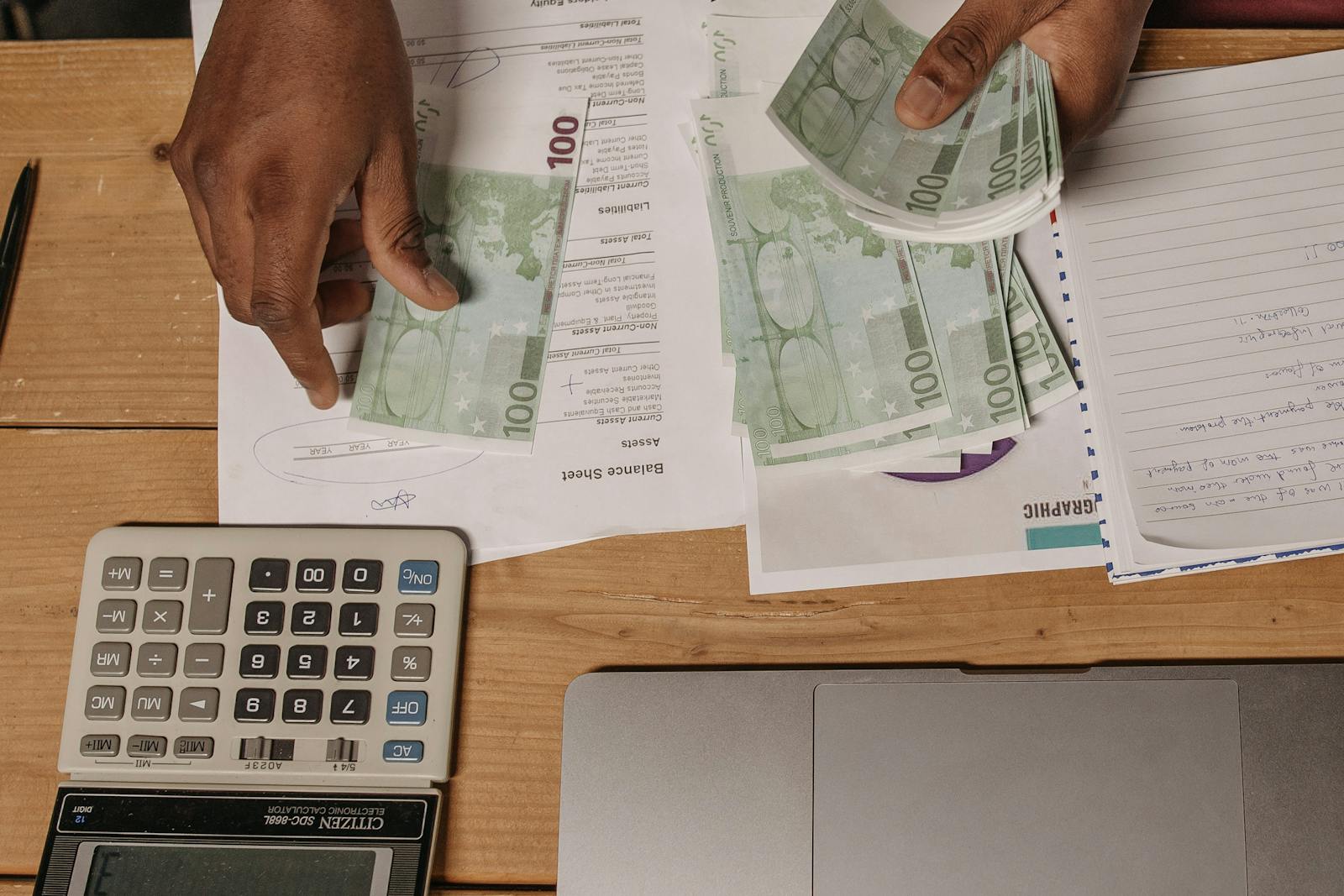
You’ve drafted the perfect proposal. The scope is clear, the deliverables are solid, and you know you can knock this project out of the park. But when it comes to typing in your rate, something happens. Your finger hovers over the keyboard. You start second-guessing. And before you know it, you’ve dropped your price by 20%, just to be safe.
If this sounds familiar, you’re not alone. Pricing anxiety is one of the most pervasive challenges freelancers face, and it has very little to do with math.
The real reason you undercharge

Pricing your services isn’t a purely logical exercise. When you send a quote, you’re not just asking for money. You’re putting a number on your skills, your experience, and your professional worth.
That’s where things get psychological.
“The fear of charging too much often leads to undervaluing your services.” It isn’t just about losing a single client. It’s about establishing a pattern that keeps you perpetually underpaid.
A lot of freelancers do something psychologists call pre-emptive discounting. Before the client has even seen your proposal, you’ve already negotiated against yourself. You imagine their objection, assume they’ll say no, and cut your rate to soften a rejection that hasn’t happened yet.
The imposter syndrome tax
Creative and technical professionals are especially vulnerable. When your work is subjective (a logo, a video edit, a marketing strategy), it’s easy to question whether you “deserve” the rate.
Imposter syndrome comes with a real cost:
- Lost revenue. Every unnecessary discount is money on the table.
- Resentment. Underpaid work leads to frustration and burnout.
- Market confusion. Inconsistent pricing makes clients question your professionalism.
Clients rarely know what the “right” price is. They’re looking for confidence and clarity, not the lowest bidder.
The cultural dimension
In many cultures, discussing money directly feels uncomfortable, even rude. For freelancers in Latin America and Hispanic communities, this discomfort has a name: vergüenza (shame or embarrassment).
The cultural overlay adds friction:
- Avoidance. Delaying invoices to avoid appearing “greedy.”
- The friend discount. Pressure to offer lower rates to acquaintances.
- Collection anxiety. Discomfort following up on overdue payments.
Knowing the discomfort is cultural, not personal weakness, is the first step toward overcoming it.
Breaking the pattern
1. Separate price from identity
Your rate is a business decision, not a reflection of your worth. When a client says “no” to your price, they’re not rejecting you. They’re not the right fit for your services at this time.
A mental reframe that helps: you’re not asking for money, you’re offering a fair exchange of value.
2. Use data, not feelings
One of the biggest contributors to pricing anxiety is working in a vacuum. When you don’t know what others charge, every price feels like a guess.
Do the research:
- Industry rate guides
- Ask peers (yes, it’s fine to discuss rates)
- Track your own data: what did you charge, how long did it actually take?
Data replaces doubt with evidence. For a practical framework, see how to price freelance work, it covers value-based pricing, market research, and rate-setting strategies.
3. Create packages to externalize authority
When your prices are presented as standardized packages, they feel less negotiable, to both you and the client.
Instead of custom-quoting every project (which invites second-guessing), create three tiers:
- Basic. Core deliverables only.
- Standard. Your recommended option.
- Premium. Everything plus extras.
This shifts the conversation from “is this too expensive?” to “which option fits?” Learning how to create a quote with tiered options makes it easy to present pricing that looks polished and converts.
4. Script your discount responses
The “friend discount” request is coming. “Can you do better on price?” is inevitable. Prepare for it.
A script that works:
“I appreciate you thinking of me. My rates are set to deliver the quality you’re expecting. Happy to discuss adjusting the scope if we need to work within a different budget.”
It doesn’t apologize, it doesn’t cave, and it opens a door without devaluing your work.
5. Address “send button paralysis” head-on
That moment when you’re about to send the proposal and your finger freezes? It’s real, and it’s fixable.
The antidote is removing the mystery. When you know your proposal is being tracked, when you can see if the client opened it and how long they spent on each section, you stop operating blind.
That visibility turns the waiting game into actionable information.
The confidence loop
What happens when you stop undercharging:
- Better clients. Higher prices attract clients who value quality over cheapness.
- Better work. Fair compensation lets you invest time in doing great work.
- Better reputation. Premium pricing signals premium quality.
- Better confidence. Each successful project at your real rate reinforces that you’re worth it.
A positive feedback loop that builds over time.
A last word on value
Freelancers who struggle most with pricing are often the ones focused on cost instead of value. They’re thinking “will this scare them away?”
The better question: “what is solving this problem worth to them?”
A logo isn’t worth $500 because it takes you 5 hours. It’s worth $500 (or $5,000) because it represents their brand to every customer who sees it. A video isn’t priced by the minute. It’s priced by the results it delivers.
When you can articulate value clearly, pricing becomes less about defending a number and more about demonstrating an investment.
Pricing will probably never feel completely comfortable, and that’s okay. What matters is recognizing the patterns that lead to undercharging and building systems that help you hold your ground.
Your work has value. Your pricing should reflect that.
Ready to send stronger proposals?
Build, send, and track proposals in one place so follow-up is easier.
Start your free trial →