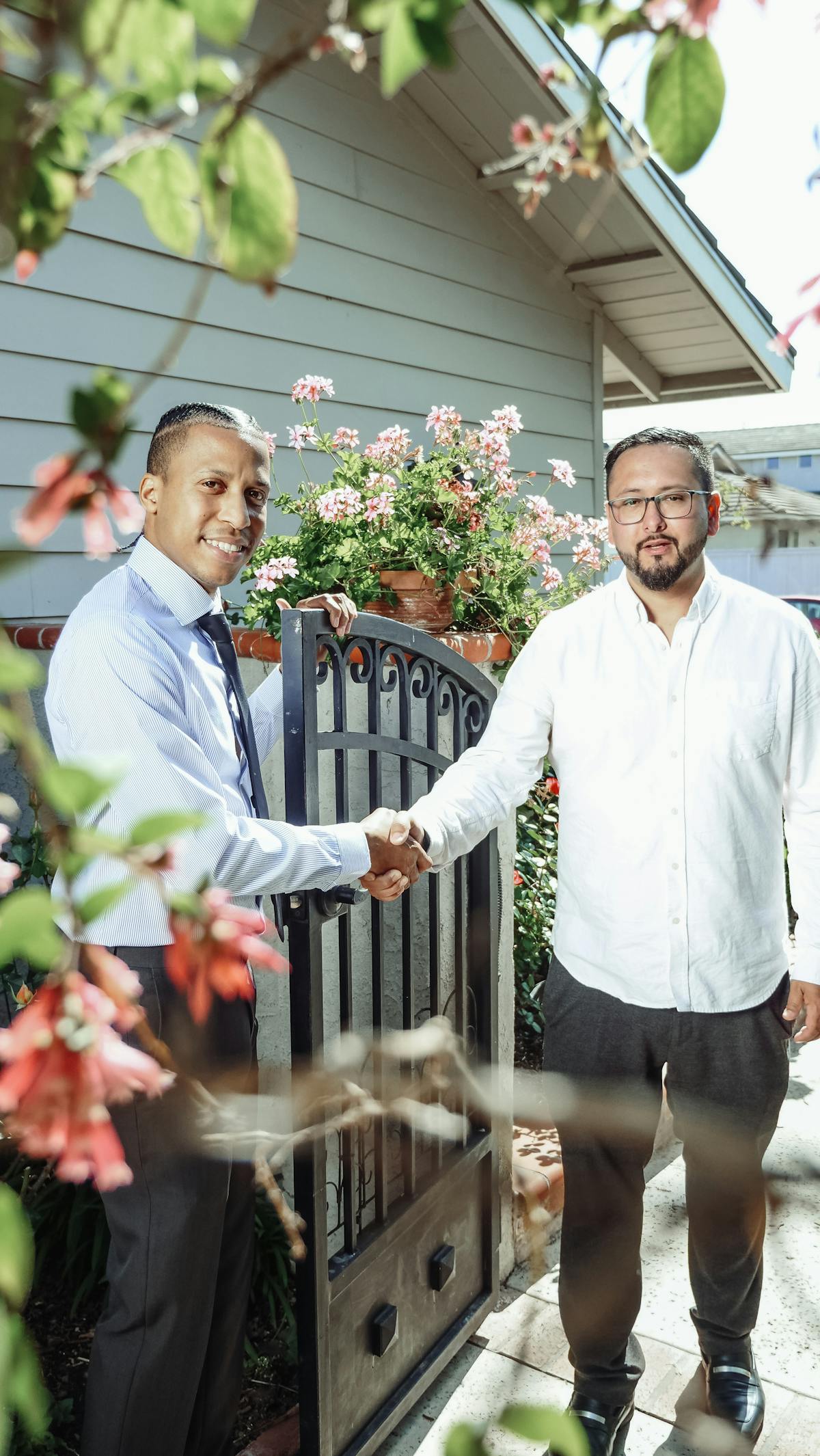
Most freelancers spend so much energy chasing new clients that they neglect the ones who already trust them. An existing client is easier to sell to, faster to work with, and less likely to cause problems than someone new. Long-term retention isn’t complicated. It’s about being professional, delivering consistently, and staying visible.
Deliver on Every Promise, Every Time
This is fundamental. If you say you’ll deliver Thursday, deliver Wednesday. If you promise three rounds of revisions, give them three rounds. If you commit to a turnaround time, hit it.
Clients remember broken promises. They also remember freelancers who consistently overdeliver. When someone works with you multiple times and every single project goes smoothly, you become their default vendor.
Document what you promised too. Use email confirmations or proposal tools that track exactly what you committed to. This prevents misunderstandings that damage relationships. If a client later disputes what they asked for, you have it in writing. If they praise your work, you can point to the exact deliverables you committed to and delivered.
Make Communication Easy and Reliable
Clients leave when they can’t reach you or when communication feels like pulling teeth.
Pick one communication channel and stay consistent. Email, Slack, WhatsApp, whatever works for your workflow. Tell clients that’s where to reach you. Respond within 24 hours, always. If you’re traveling or on vacation, set an autoresponder saying when you’ll be back.
Don’t just respond to questions. Update clients on progress without waiting to be asked. A quick “You’re next in queue, should have your designs by Friday” shows you’re thinking about their project. Silence makes clients anxious.
When things go wrong, communicate immediately. Found a bug? Tell them before they find it. Running behind? Mention it as soon as you know, not the day it’s due. Clients forgive delays and problems. They don’t forgive finding out about problems after the fact.
Provide Value Beyond the Project Scope
Retention happens when clients see you as an asset, not a service. That means occasionally offering something extra.
Send them an article about their industry. Point out a tool that would help their business. Suggest a website refresh when you notice one needs it. These aren’t upsells. They’re observations that show you care.
“I came across this article on [topic]. Thought you’d find it interesting” takes two minutes and keeps you top-of-mind. Clients remember people who think about their business. Add a handwritten thank-you note after a big project. Offer a referral discount. Make a quick call instead of just emailing. These habits turn transactions into relationships.
Track What Each Client Cares About
The best client relationships are built on understanding. What matters to this client? Are they price-sensitive? Do they care most about speed? Are they detail-oriented or big-picture focused? Do they prefer email or calls?
Keep notes. This isn’t creepy. It’s professional. If someone prefers to be called, call them. If they care about seeing the reasoning behind design decisions, explain your choices. If they value efficiency, keep meetings short.
When you adapt to how clients like to work, they feel heard. They notice that you’re not one-size-fits-all. That attention is what keeps clients loyal.
Create Regular Check-Ins or Retainers
The easiest way to retain clients is to have regular, scheduled work. Retainers do this automatically. But even without formal retainers, you can suggest monthly check-ins.
“Let’s schedule a quick call each month to discuss how your site is performing” or “I’ll send you monthly analytics on your proposal conversions.” These become touchpoints. The client gets used to working with you regularly.
Waco3 shows you exactly what’s happening with client proposals and follow-ups. You can tell a client “Your open rate improved 15% this month” and provide the ongoing value that justifies a retainer or regular check-ins.
Know When to Let Go
Not every client should be kept. Some are demanding, late-paying, or constantly scope-creeping. If a client consistently makes you unhappy, it’s okay to move on.
When you decide to end a relationship, do it professionally. Finish your current projects, introduce them to someone who might be a better fit, and leave the door open. You never know when circumstances change.
But for the clients who are good to work with? Invest in those relationships. They’re the foundation of sustainable freelance income.
The most predictable income doesn’t come from constantly finding new clients, it comes from keeping the good ones and having them come back for more.
Related: How to Turn a One-Time Client Into a Retainer Client guides you through formalizing ongoing relationships.
Ready to send stronger proposals?
Build, send, and track proposals in one place so follow-up is easier.
Start your free trial →