The verbal yes at the end of the call is not the close. It’s the beginning of the close. What happens in the 2 hours after the call determines whether that enthusiasm becomes a signed contract or becomes a “I’ve been thinking about it more and…” email three days later. The soft close email is the mechanism that locks in the commitment before the window closes.
The Sales Development Playbook documents a consistent pattern: deals that had verbal agreement on a call but no written confirmation within 24 hours close at significantly lower rates than deals where the confirmation email went out within 2 hours. The mechanism is straightforward, enthusiasm decays, competing priorities surface, doubt grows. A written confirmation anchors the decision to a specific moment and makes reversing it an active choice rather than a passive drift.
Two hours is not arbitrary. It’s the approximate window during which the buyer’s call-state enthusiasm hasn’t yet been diluted by the rest of their day.
The 5-sentence template
The soft close email is short by design. Long emails after a positive call introduce new variables, new concerns to respond to, new details to evaluate. The soft close email does one thing: confirms what was decided and states the next step.
Subject line: [Project name], Next steps confirmation
Sentence 1: Reference the agreement. “Following up on our call, we agreed to move forward with the [engagement name/scope description].”
Sentence 2: State your next step and timeline. “I’ll have the contract in your inbox by [specific time, today at 5 PM, first thing tomorrow morning].”
Sentence 3: Request explicit written confirmation. “Please reply with a quick yes to confirm we’re aligned, and I’ll get things moving.”
Sentence 4: Handle any logistics the buyer controls. “If you have a preferred start date, billing contact, or address for the invoice, include that in your reply and I’ll incorporate it.”
Sentence 5: Close naturally. “Looking forward to getting started.”
Total: under 120 words. No preamble, no re-pitching, no restating of value. The buyer already said yes, they don’t need to be re-sold.
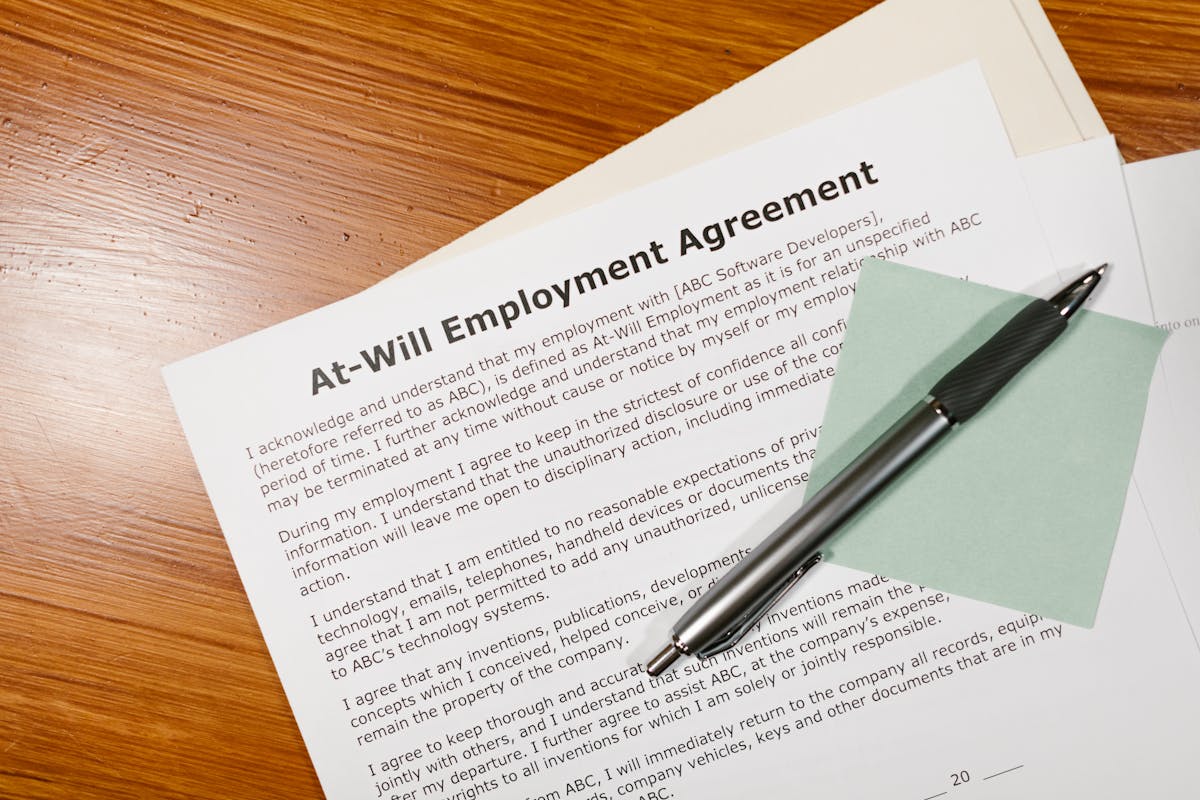
The soft close email isn’t a follow-up message. It’s a receipting mechanism. You’re creating a written record of the verbal agreement before the contract is ready, which makes the buyer’s commitment concrete and explicit rather than remembered and deniable.
Why “please reply with a quick yes” matters
The specific ask, “reply with a quick yes”, is deliberate. It sets a low activation energy for the confirmation: the buyer doesn’t need to compose a thoughtful response. They just need to type one word. That framing produces reply rates significantly higher than “let me know if you have any questions” or “looking forward to next steps.”
The yes in email also creates a written micro-commitment. The buyer has now stated their agreement in writing, before the contract is signed. That record changes the psychology of the next step: the contract isn’t a new decision, it’s the paperwork that follows a decision already made.
Timing: why 2 hours, not 24
Call ends at 2 PM. Soft close email sent at 2:30 PM. Buyer is still in the call’s mental space, the conversation is fresh, the enthusiasm hasn’t been tested by a budget meeting, a competing vendor email, or a conversation with a skeptical colleague.
Call ends at 2 PM. Email sent at 8:30 AM the next day. The buyer has slept, had a morning of other priorities, and may have already begun quietly reconsidering. The gap between yes and confirmation is where deals most commonly slip.
The 2-hour rule doesn’t require perfection. “Within the workday” is good. “Before you go to sleep tonight” is acceptable. “Next morning” is risky. “Two days later” is a problem.
What to do when the buyer doesn’t reply
If no reply within 24 hours, send a single short follow-up:
Subject: Re: [Project name], Next steps confirmation
“Just wanted to make sure my last email didn’t get lost, confirming our plan to move forward. Still on track?”
That’s it. One sentence of follow-up. If no reply within 48 hours, call. Don’t leave this in email limbo, a verbal yes that goes unconfirmed for 72 hours has usually degraded into an ambiguous maybe.
What to do when the reply reveals a concern
Occasionally the soft close email produces a “actually, I’ve been thinking…” response. Treat it as valuable diagnostic information delivered early. Respond within the hour if possible:
“Thanks for flagging this, I’d rather address it now than have it sit. Can you tell me more about [specific concern]?”
Speed of response at this stage matters: a concern raised by a buyer in the immediate post-call window is usually minor and emotional rather than fundamental. Fast, calm engagement with it typically resolves it quickly. Slow or defensive engagement allows it to calcify into a no.
The combination: verbal + email + contract
The strongest close sequence:
- Verbal yes on the call
- Soft close email within 2 hours, requesting written confirmation
- Buyer replies “yes”
- Contract sent same day, while the yes is fresh
- Contract signed within 48 to 72 hours
Each step is a reinforcement of the previous one. The verbal yes becomes a written yes becomes a signed yes. The deal that follows this sequence has committed buyer energy at every stage, no gaps where doubt can enter.
The soft close email for the proposal sent without a call
When you send a proposal cold, to a buyer who didn’t have a live call before receiving it, the soft close email is a different animal. It becomes the call-to-action at the end of the proposal or the follow-up message sent with the proposal document:
“I’ve attached the proposal for [project name]. The scope and timeline are on page 2. If this looks right to you, reply with a yes and I’ll send the contract the same day.”
Same mechanics: low activation energy, specific next step, immediate response to confirmation. Even without the call, the framing still converts at higher rates than “let me know if you have any questions.”
Ready to send stronger proposals?
Build, send, and track proposals in one place so follow-up is easier.
Start your free trial →