Artificial intelligence is no longer a novelty. It’s an essential tool for business. By 2026, the most popular AI tools have matured into genuinely useful applications for writing, design, analysis, and automation. Here are the five tools that freelancers and businesses actually depend on daily.
ChatGPT: The General-Purpose Workhorse
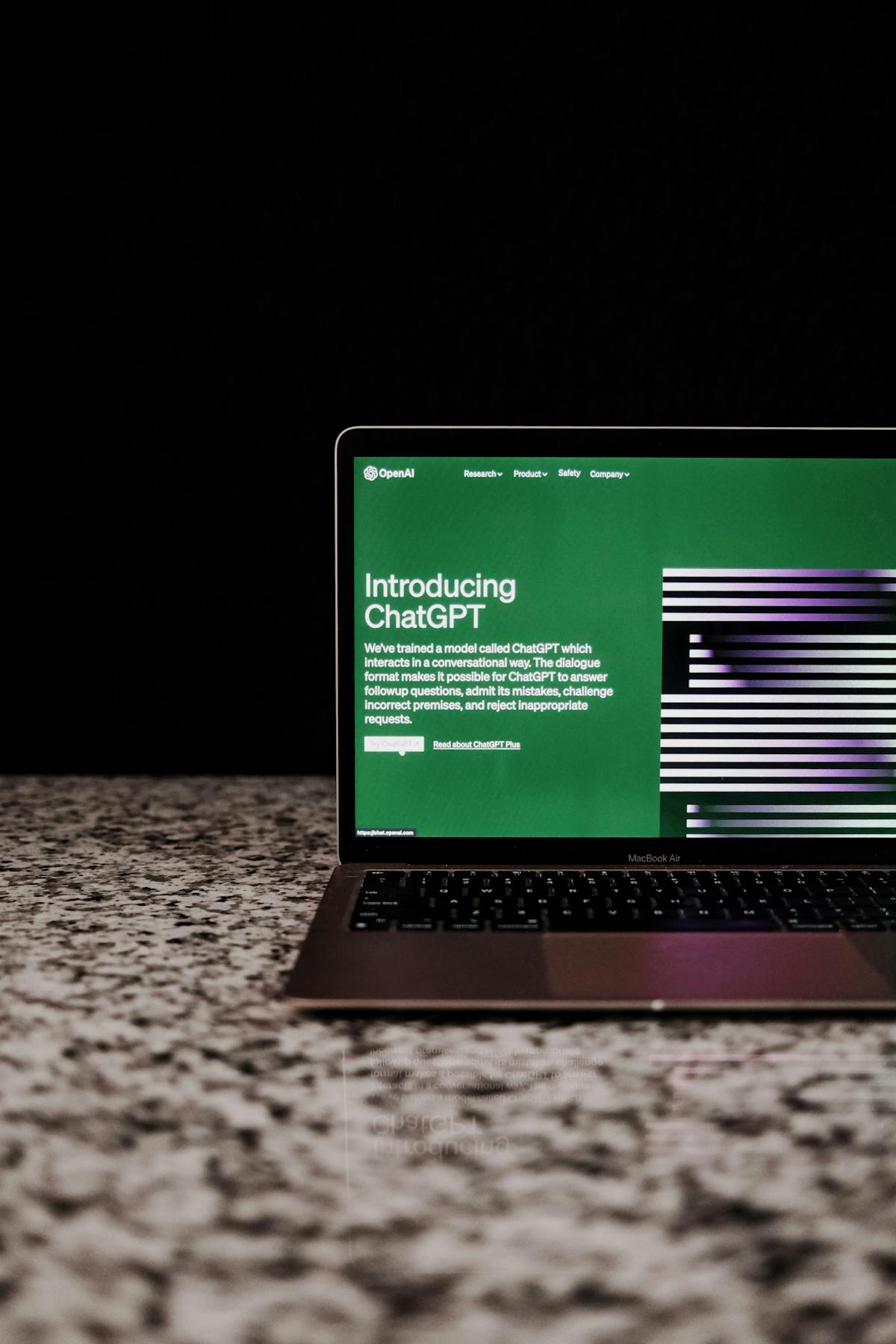
ChatGPT remains the most accessible and widely used AI tool. Over 200 million people use it, making it the gold standard for conversational AI. It excels at writing, brainstorming, research summaries, coding help, and business analysis. For a freelancer, ChatGPT can draft emails, outlines, social media posts, or entire articles with a single prompt.
The free version offers plenty of capability, though response quality can be inconsistent. The paid version (ChatGPT Plus at $20/month) provides access to their most powerful models, priority support, and faster responses. Many freelancers find the investment worthwhile for daily use.
One limitation: ChatGPT sometimes generates plausible-sounding false information. Never rely on it for facts without verification. For creative and writing tasks, it excels. For research and analysis, use it as a starting point, then verify in original sources.
Claude: Deep Analysis and Long-Form Content
Claude (made by Anthropic) has gained traction with users who value reasoning quality and detailed analysis. It handles complex prompts better than ChatGPT and can process much longer documents. For freelancers doing research, analysis, or strategic thinking, Claude excels.
Claude excels at long-form content generation and thorough research summaries. Feed it a 50-page document and ask it to extract specific information. This helps consultants, researchers, and writers with large source materials. The free version (Claude.ai) gives you several queries daily. Paid subscriptions offer higher limits.
Users consistently report that Claude produces more thoughtful, nuanced responses than competitors. If you’re doing premium work where depth matters, Claude often outperforms ChatGPT. The tradeoff is slightly slower response times.

Midjourney: Image Generation and Visual Design
Midjourney dominates AI image generation among professionals. Unlike DALL-E, Midjourney produces visually distinctive, high-quality images. For designers, marketers, and visual content creators, it’s essential.
The tool requires a subscription starting at $12/month for limited generations, scaling to $96/month for unlimited use. Many freelancers use it for mockups, concept art, social media graphics, and client presentations. While it can’t replace a human designer, it dramatically accelerates the design process.
The learning curve is steeper than ChatGPT, but the results justify it. Mastering prompt engineering and image parameters takes practice. Once you do, you can generate dozens of visual options in an afternoon, then refine the best ones with traditional design tools.
Perplexity: AI Search with Real-Time Information
Perplexity solves ChatGPT’s biggest weakness: access to current information. It integrates search results with AI reasoning, giving you sourced answers to questions about recent events, current prices, and breaking news. For researchers, journalists, and content creators needing up-to-date information, Perplexity is invaluable.
It’s free to use with limitations and offers a Pro subscription ($20/month) for higher limits and priority access. The unique advantage is citations for every piece of information. This transparency helps you verify claims and find original sources.
For content creators writing about current events or trends, Perplexity beats manual research. You get a summary with linked sources instantly. This cuts research time significantly.
Google Gemini: Multi-Modal and Integrated
Gemini (formerly Bard) has evolved into a powerful all-in-one tool. It handles text, images, video, code, and real-time search. If you’re already in the Google ecosystem using Gmail, Drive, and Docs, Gemini integrates directly with these tools.
The free version is surprisingly capable. The paid version (Gemini Advanced at $20/month) offers faster performance and higher usage limits. For Google Workspace users, Gemini’s integration with Docs, Sheets, and Gmail makes it a natural choice.
Gemini’s main advantage is convenience for existing Google users. You can draft an email in Gmail with Gemini’s help, create charts in Sheets, or brainstorm ideas in Docs without switching applications. This integration saves context-switching time.
The Real Value: Combining Tools Strategically
No single tool dominates all uses. Combine them strategically instead. Use ChatGPT for quick writing and ideation. Use Claude for deep analysis and long-form content. Use Midjourney for images. Use Perplexity for research. Use Gemini if you’re already in Google’s ecosystem.
Many professionals subscribe to 2-3 tools total, paying $40-60 monthly for capabilities that would require hiring multiple specialists. For a freelancer, this investment often pays for itself in productivity gains within the first month.
The top five AI tools in 2026 each serve specific purposes: ChatGPT for writing, Claude for analysis, Midjourney for images, Perplexity for research, Gemini for integration. Combined strategically, they multiply freelance productivity.
Ready to send stronger proposals?
Build, send, and track proposals in one place so follow-up is easier.
Start your free trial →