A strong quotation starts before you write a single number. Preparing a quotation for a client means gathering all the right information, calculating accurate costs, and presenting everything clearly. The difference between a quote that wins business and one that loses it often comes down to preparation.
Understand the Scope Thoroughly
Before you quote anything, get clarity on what the client actually needs. Ask specific questions. What problem are they solving? Who will use the deliverable? What’s the timeline? What integrations or platforms matter?
Document the scope in writing, even if it’s just notes. If the client mentions “a website,” dig deeper. Do they want five pages or fifty? Will there be e-commerce? Do they need ongoing support? Pin down these details now, not after you’ve quoted a price. Write them into the quotation so both sides agree on what’s included and what isn’t.
Calculate Your Costs and Margin
Break down the work into components: design, development, content, testing, revisions. Assign time or cost to each one. Don’t shortcut this step by guessing—use historical data from past projects.
Factor in your overhead, materials, and profit margin. A quotation that’s too low burns you out. One that’s too high loses the deal. Find the balance. Many freelancers and agencies underestimate project timelines. Build in a 15-20% buffer for unexpected complications.
Structure Your Quotation Clearly
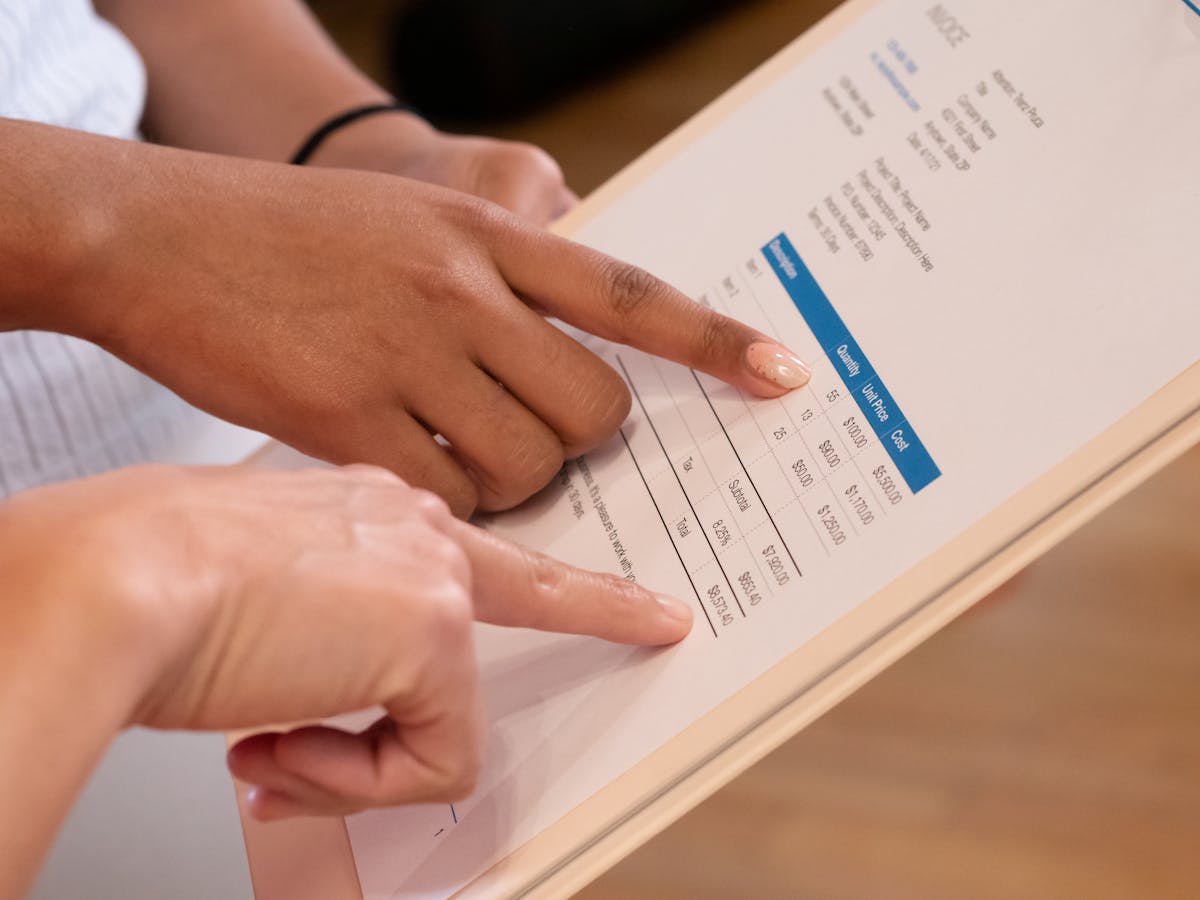
Organize the quotation so clients can scan it in 10 seconds and understand the cost. Use a header with your company name, the client’s name, a quotation number, and the date. List each deliverable with its price. Add subtotal, taxes if applicable, and final total. Include your payment terms: deposit required, payment schedule, due date for final invoice.
Add a line that says “Valid until [date].” This creates gentle urgency without being aggressive. A 30-day validity gives clients enough time without leaving the price open indefinitely.

State Your Assumptions Clearly
List what’s included and what’s not. Does your quotation include revisions? How many? Are there additional charges for rush work? Do you handle hosting, maintenance, or just the initial deliverable?
Example assumptions: “Price includes up to two rounds of revisions. Additional revisions billed at $X per hour.” Or “Includes hosting setup. Monthly maintenance is a separate service.” Be explicit, not vague.
A quotation without clear assumptions is an invitation to scope creep and client disappointment.
Add Your Contact and Next Steps
End the quotation with your contact information and simple next steps. Example: “To move forward, reply with your approval and send a 50% deposit by [date].” Make it easy for the client to say yes.
If you use proposal or quotation software like Waco3, include a link where they can review, sign, and approve the quotation digitally. This speeds up the sales cycle and gives you a clear record.
Review Before Sending
Read the quotation aloud. Check math. Verify the client’s name and company are correct. Look for typos. A polished quotation shows you take the work seriously.
Send it via email with a short message that reinforces the value: “Based on our conversation, here’s the quotation for [project name]. I’m confident this timeline and budget will deliver what you need. Let me know if you have questions.”
Related: How to Send a Quote to a Client: 5 Email Examples That Work
Ready to send stronger proposals?
Build, send, and track proposals in one place so follow-up is easier.
Start your free trial →