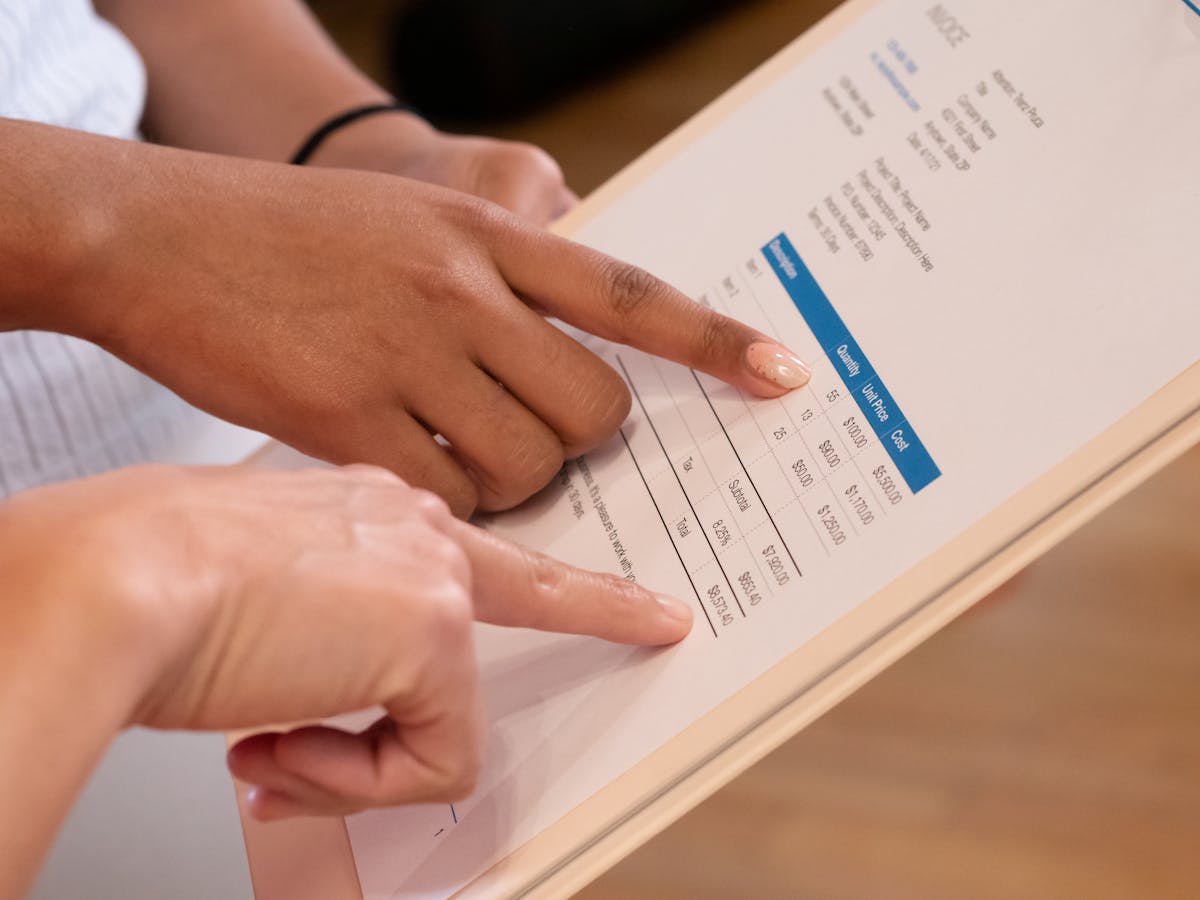
A quotation valid for 7 days creates urgency and protects you from stale quotes becoming binding offers months after you sent them. The right wording is clear without being aggressive.
Why Quotation Expiration Dates Matter
Expiration dates solve two problems. First, they protect you from pricing locks. Quote a client $5,000 on May 1st, and they return August 1st wanting that price? You’d be stuck. Your costs have changed, availability shifted, market rates moved. An expiration date prevents this.
Second, they create urgency. A quote without an end date feels open-ended. “I’ll think about it” becomes months of nothing. A 7-day quote signals you have other clients and aren’t holding inventory. Clients decide quickly or lose the offer. Not a threat, just reality. It stops indefinite delays.
For large projects, expiration reflects facts. Quote a $30,000 development project and you’re planning a start date. If the client waits six months, your schedule has changed and you might be unavailable. Expiration communicates this.
Standard Wording for Quotation Validity
Keep it simple: “This quotation is valid for 7 days from the date above.” Quote dated May 1st? Valid through May 8th. No confusion about business days versus calendar days.
Alternatives:
- “This quotation expires on [date]”
- “Quote valid through [date]”
- “Quotation good for 30 days from date of issue”
Skip vague language like “valid for a limited time.” Be specific with dates. Print it on the quote itself (most templates do automatically) and in your validity statement.
Add “After expiration, services and pricing may change” to signal that extending past the date means re-quoting with current terms. Clients won’t assume old prices lock in forever.
How Long Should Your Validity Period Be?
Seven days is standard for service work. Short enough to create urgency, long enough for clients to schedule meetings or approvals. One week feels like familiar business timing, not rushed.
Complex projects need 14 days. Design, large events, consulting engagements require more review time. Give clients enough room for due diligence without leaving the quote so open it feels indefinite.
Simple work like hourly calls or small retainers? Seven days works. Clients decide fast or don’t.
For quotes with fluctuating material or labor costs, shorter is better. A 5-day window limits exposure if supply prices shift. Availability-based quoting also benefits from shorter windows.
What to Do When Quotes Expire
Set your policy upfront. Renew expired quotes at the old price if they ask within 30 days? Always re-quote with current terms? Depends on timing and conditions?
Standard approach: renew quotes within 30 days at the original price, assuming costs haven’t changed. After six months, require a fresh quote. It’s fair. Clients get a second look if they were genuinely considering it, but you’re not locked into old prices forever.
Document your policy on the quote template or in your standard response email: “This quote expires [date]. To proceed after expiration, I’ll issue a new quotation with current pricing.”
Using Software to Track Expiration
Manual quote tracking in Word or spreadsheets is error-prone. You send follow-up emails months later not realizing the quote expired weeks ago.
Waco3 flags expiring quotes automatically. You see which are active and which have expired. If a client returns after expiration, the system reminds you the old quote is invalid and prompts a new one.
For freelancers juggling 10+ active quotes, this saves time. You’re not manually tracking dates across spreadsheets and emails.
Setting Expiration to Drive Conversions
Short validity periods improve conversion rates strategically. A 7-day window creates measurable urgency without alienating clients. Research shows quotes with explicit expiration dates convert better than open-ended ones.
The psychology is simple. An expiration date signals that delay carries risk. Not a threat, just reality. Combined with a professional quote and follow-up, it encourages decisions.
A quotation valid for 7 days is long enough to be fair and short enough to encourage decisions. Be specific with dates, not vague with timeframes.
Related: Free Quote Software for Freelancers | Quotation Template in Word: Free Download and Tips
Ready to send stronger proposals?
Build, send, and track proposals in one place so follow-up is easier.
Start your free trial →