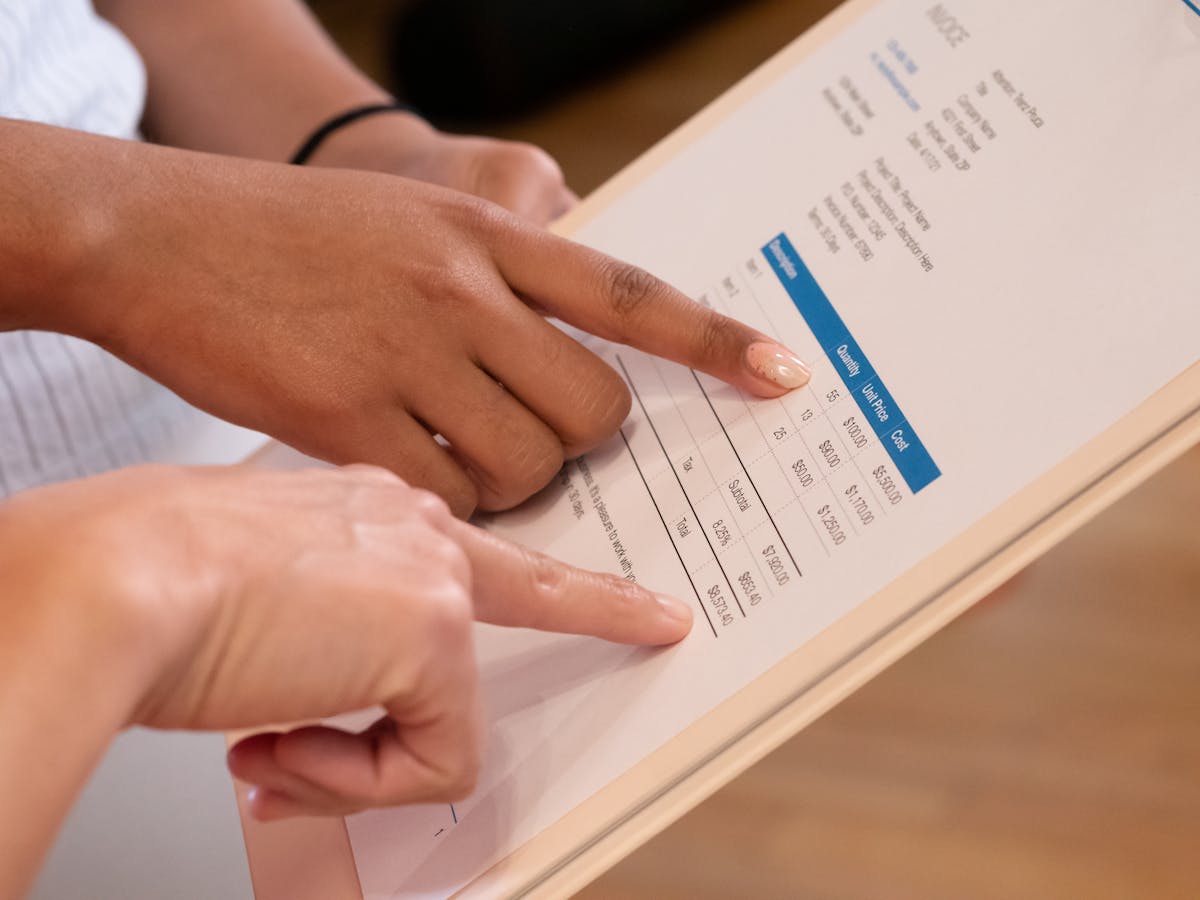
NDIS invoicing is more complex than regular freelance invoicing. You’re billing against a specific plan with budget limits and support categories. Whether you’re providing disability support, employment coaching, or community access assistance, you need to understand NDIS requirements to avoid payment delays and disputes.
Understanding NDIS Plans and Funding Categories
Every NDIS participant has a plan that allocates funding to specific support categories. Common categories include capacity building, employment support, community inclusion, and self-care. Your work must fall into one of these categories. If the participant wants to hire you for something outside their funded categories, they need to pay you privately.
Check the participant’s plan document or ask them directly: “Which support category should your NDIS funding cover my work?” This prevents billing mistakes. If they’re not sure, contact their NDIS planner or plan manager. Never guess which category applies.
Your rate can’t exceed what the NDIS deems appropriate for that service. If you’re providing community access support and the benchmark rate is $50/hour, you shouldn’t charge $100/hour unless you’re providing specialized service (qualified trainer, therapist, etc.). Most NDIS participants get quotes upfront, so discuss your rate early.
Getting Approved to Work With an NDIS Participant
For self-managed plans, you don’t need formal NDIS approval. The participant controls their funding and can hire anyone. Just confirm they have available budget in the relevant category and get their plan details (plan number, manager’s contact info if they have one).
If you’re working with a participant who has a plan manager or who is agency-managed, the manager might vet you first. Provide your qualifications, experience, and insurances (if applicable). Be professional in this process. Plan managers want to ensure the participant’s money is spent safely.
If you want to become a registered NDIS provider (so you can bid on provider-managed work), that requires registration with the NDIA. For most small freelancers, this isn’t necessary. Self-managed and plan-managed work is accessible without registration.
What Must Go on Every NDIS Invoice
An NDIS invoice needs all standard invoice information plus NDIS specifics. Include:
- Participant’s name and NDIS plan number
- Support category you’re charging to
- Service date(s) and duration (total hours)
- Detailed description of service provided (not just “coaching” but “career coaching: resume review, interview practice, LinkedIn profile”)
- Your rate and total amount charged
- Your name, ABN, contact info
- Invoice number and date
This documentation is critical. NDIS audits can require you to prove you delivered what you invoiced for. Vague descriptions like “consulting” won’t pass audit. Detailed descriptions protect both you and the participant.

Tracking Hours and Budget Limits
Keep a running record of hours billed to each participant. Track available budget in each support category. Many NDIS participants and plan managers use tracker software, but keep your own records too. Spreadsheets work fine: participant name, plan number, category, date, hours, amount.
Before invoicing, confirm available budget. Ask the participant or their plan manager: “I’ve provided 10 hours of coaching. Your budget for employment support is $3,000 total. You’ve used $2,500 so far. Your remaining budget is $500. Is that correct?” This prevents invoicing beyond budget.
If the participant is running low on budget, discuss options. Can they update their plan to allocate more? Do they want to pay you privately for additional hours? Do you pause work until the plan is reviewed? Clear communication prevents awkward situations.
Payment Processing for NDIS Work
Self-managed participants usually pay you directly. They receive their NDIS funding and pay providers from that. Payment timing depends on how they manage their money. Some pay immediately, others pay weekly or monthly. Clarify payment expectations upfront.
If a plan manager is involved, they might pay you on behalf of the participant. Get the plan manager’s invoicing address and payment details. Plan managers have their own processes and timelines, which might be slower than direct payment.
Invoice promptly after delivering services. NDIS audits require invoicing timely with service delivery. If you invoice a month late, the participant might forget what they hired you for. Same-week invoicing is standard.
Common NDIS Invoicing Mistakes
Don’t invoice without confirming available budget. This is the biggest mistake. If the participant’s employment support budget is $1,500 and they’ve used $1,200, don’t invoice for $500 of work. They won’t have funding and will either dispute it or ask you to work for free.
Don’t be vague in service descriptions. “Consulting” doesn’t satisfy audit requirements. “Employment consulting: reviewed resume, conducted mock interview, provided LinkedIn profile feedback” does.
Don’t assume you know the support category. Ask the participant which category applies. If they’re uncertain, contact their plan manager together. Working in the wrong category makes the invoice unpayable.
Don’t invoice after the plan period ends without confirming it’s been renewed. NDIS plans have end dates. If the plan expires and hasn’t been updated, that category funding is gone. Confirm the plan is active before invoicing.
Working With Multiple NDIS Participants
As you take on more NDIS work, organize your invoicing system. Keep participant details (name, plan number, plan manager contact, hourly rate) in one spreadsheet. Track budget in another. Use templates for NDIS invoices so you’re not recreating the format each time.
Some freelancers use software like Waco3 to track projects and invoicing, though you’ll need to add NDIS-specific fields (plan number, category, budget used). Most invoicing tools don’t have NDIS built-in, so you might track NDIS details separately and use the software for sending and payment tracking.
Payment Terms for NDIS Work
Discuss payment terms upfront. “I invoice weekly for hours worked. Payment is due within 7 days” is reasonable. Some NDIS participants have limited cash flow and request 14-day payment terms. Negotiate what works for you.
For plan-managed work, payment might take longer because the manager has to review and process. Ask the plan manager their standard payment timeline. If it’s 30 days and you can’t wait that long, negotiate or clarify before starting work.
NDIS invoicing requires knowing the plan number, support category, and available budget. Confirm these before working. Document your service clearly. This protects you from audit issues.
Ready to send stronger proposals?
Build, send, and track proposals in one place so follow-up is easier.
Start your free trial →