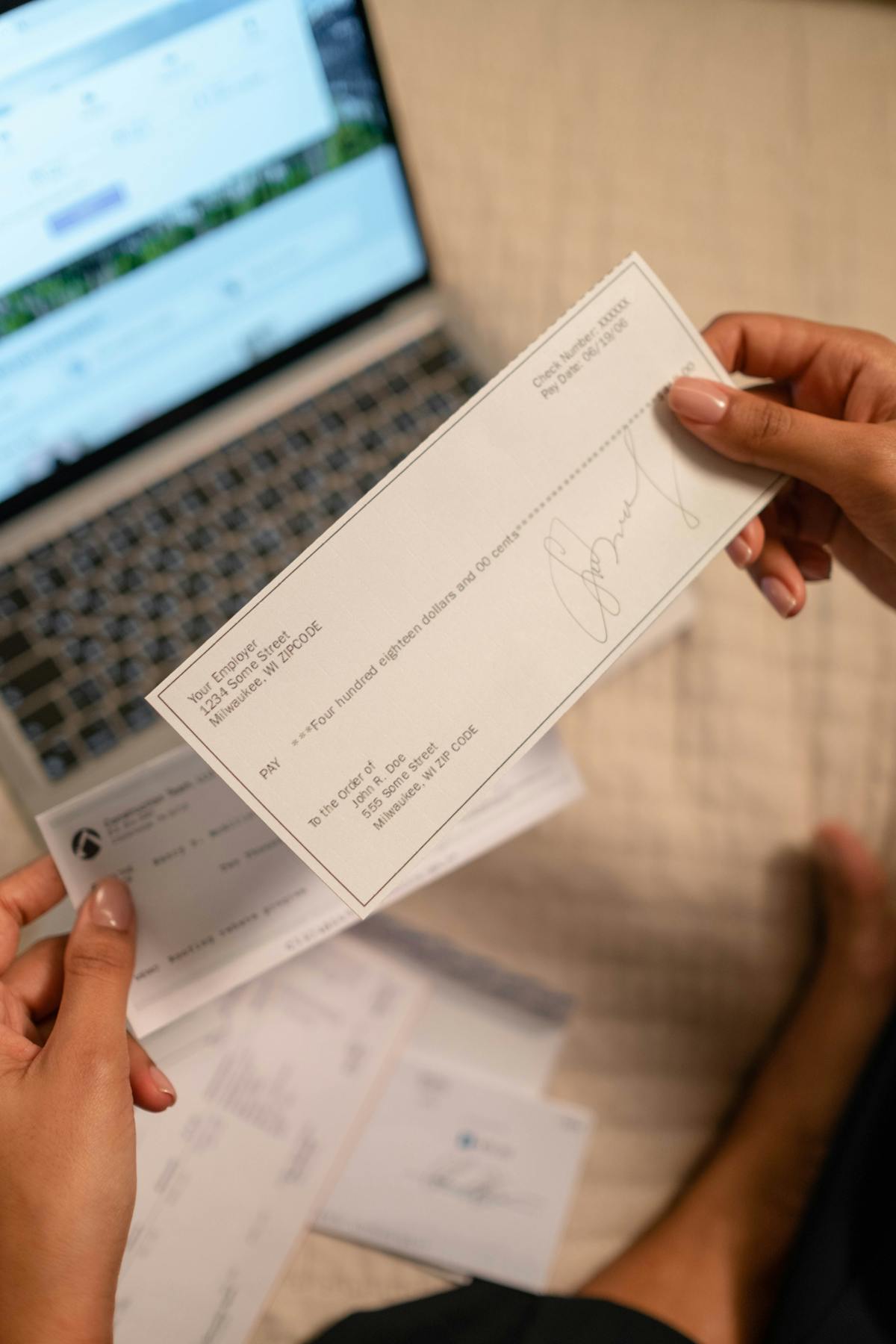
A professional invoice includes specific elements that make payment easy and create a legal record. Missing details cause delays and disputes. Get it right.
Essential Elements Every Invoice Needs
An invoice is a payment request and a legal record.
1. Invoice Number and Date
Assign a unique number (#001, #002, etc.) and include the issue date. Clients reference the number when paying. Tax records need dates. Tracking paid vs. overdue requires both. Make the number prominent.
2. Your Information
Include your name or business name, address, phone number, and email. The client needs to know who they’re paying and how to reach you with questions.
If you have a website, include it. It adds credibility and gives clients a way to verify you’re a real business.
3. Client Information
Their name, company name (if applicable), address, and contact info. You need to know exactly who you’re billing.
Why? For tax records. For disputes. For payment verification. If a client says “I never got the invoice,” you have their address on file.
4. Service Description
Be specific about what you delivered.
Bad: “Consulting services” Good: “Website design consultation: discovery, wireframes, mockups, feedback session”
Detailed descriptions prevent scope disputes. Clients know exactly what they’re paying for. Include dates: “May 1-15, 2026.”
5. Hours and Rate (If Applicable)
If you charge hourly:
Consulting Services:
- 20 hours at $75/hour = $1,500
If you charge by project, just show the amount:
Web Design Project = $2,500
Both are fine. Hourly is better for time-based work. Fixed price is better for defined deliverables.
6. The Amount Due
Make it clear and prominent:
Total Due: $2,500
Don’t bury totals in small text at the bottom. Clients need to know immediately.

7. Payment Terms
Use a specific date, not “Net 30.”
Bad: “Net 30” Good: “Due by June 15, 2026”
Specific dates eliminate confusion. Clients interpret Net 30 differently. A calendar date is unambiguous.
8. Payment Methods
List all the ways to pay: bank transfer, PayPal, credit card, Venmo, checks. The easier you make payment, the faster you get paid.
9. Invoice ID and Reference Number
For larger projects, include a project ID or reference number. This helps the client reference the invoice when they’re paying.
“For payment, please reference Invoice #2847 or Project #XYZ-001.”
10. Your Tax ID or Business License Number (If Applicable)
Some businesses need to include this for tax purposes. Check local requirements. If you’re a sole proprietor, you might not need it. If you have an LLC or corporation, you might.
Include it if you have it. It adds professionalism and may be required for government or large corporate clients.
Optional But Helpful Elements
Late Fees: Include if legal where you operate. “Invoices overdue 30+ days incur 1.5% monthly fee.”
Discount: Show early-payment incentives: Subtotal: $2,500 5% discount if paid by June 10: -$125 Total Due: $2,375
Notes: Add special instructions: “Include invoice #2847 in bank transfer memo” or “Make checks payable to [Your Business Name].”
Company Logo: Adds professionalism and branding.
Structure That Works
Organize your invoice top to bottom:
- Your name/logo and info (top)
- Invoice number and date (top right)
- “Invoice for Services Rendered” (headline)
- Client info (left side)
- Service description (main content area)
- Hours/rate calculation (right side)
- Total amount due (highlighted, prominent)
- Payment terms and due date (below total)
- Payment methods (clearly listed)
- Your tax ID, notes, thank you (bottom)
This layout is intuitive. Clients know exactly where to look for what they need.
PDF vs. Other Formats
PDF is best because:
- It looks the same on every device
- It can’t be accidentally edited
- It’s easy to print
- It’s professional standard
Avoid sending invoices as Word docs or Google Sheets. They can be modified, which creates disputes later.
Use invoice software (FreshBooks, Wave, Waco3) that generates PDFs automatically. This saves time and ensures consistency.
What Not to Include
Don’t include personal info beyond business contact, passwords, jokes, vague descriptions, or threats. Keep it professional and factual.
Before You Send
Proofread. Check for: duplicate invoice numbers, correct amounts, accurate client info, realistic due date, current payment methods, all required elements. Typos look careless and cause payment delays.
A complete invoice includes all elements clients need to pay and all documentation you need for taxes and legal protection. Missing details cause delays and disputes.
Related: Invoice Overdue: Step-by-Step Action Plan and How Freelancers Can Collect Payment Without the Awkwardness
Ready to send stronger proposals?
Build, send, and track proposals in one place so follow-up is easier.
Start your free trial →