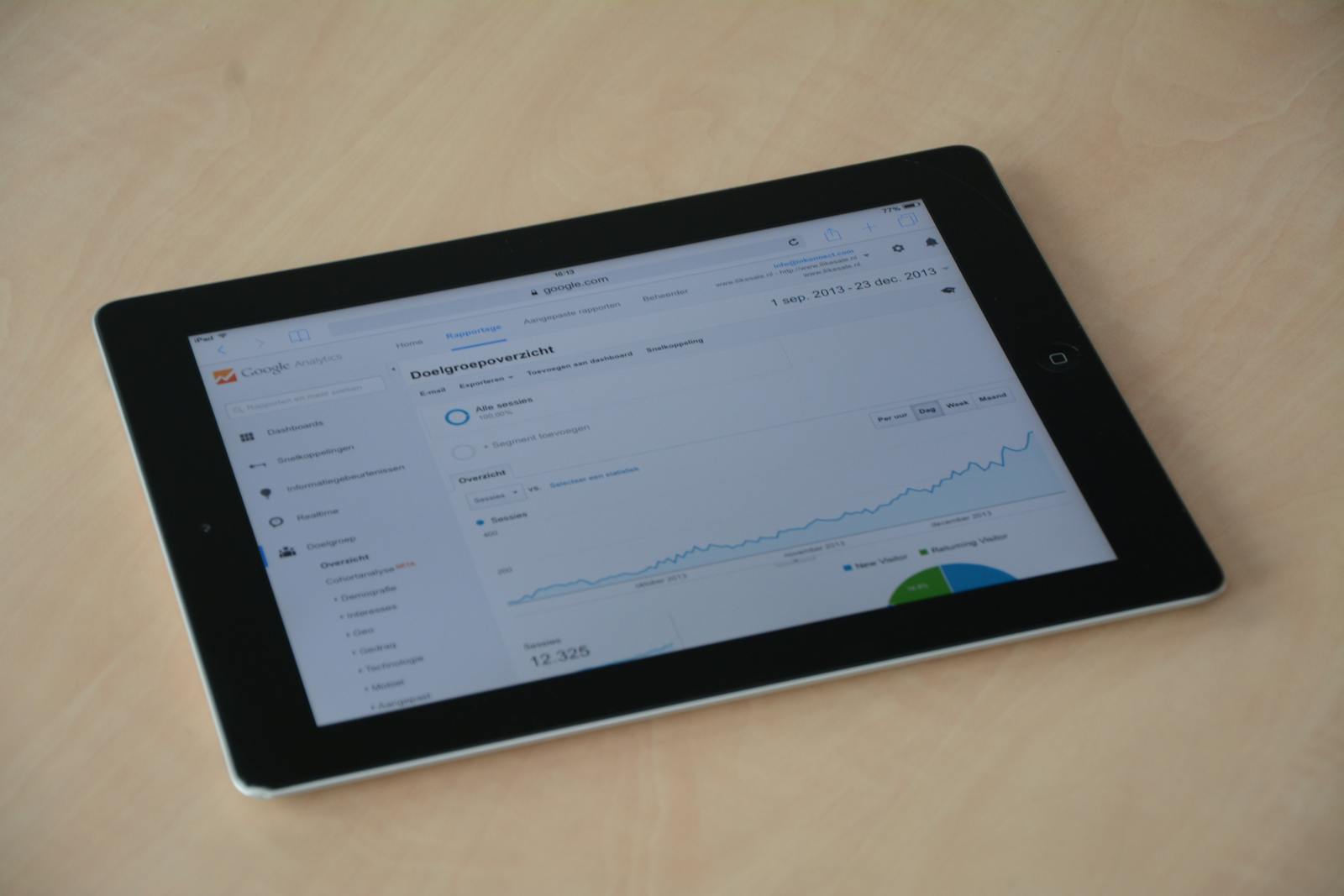
The numbers tell a story about what works in proposals. They’re not universal rules, but they reveal patterns worth studying. Understanding proposal data helps you stop guessing and start optimizing.
The Current State of Proposal Data
Recent studies on proposal win rates show consistent patterns. Freelancers and small service providers average 20-30% win rates on public bids. Agencies responding to structured RFPs average 15-25%. Companies with dedicated sales teams managing warm leads average 40-60%.
The gap between freelancers and agencies is instructive. Agencies bid selectively and strategically. They pre-qualify. Freelancers bid broadly and hope. That difference shows up in the data.
Win rates correlate with proposal length. The optimal range is two to four pages for service-based proposals. Too short and you lack credibility. Too long and clients get overwhelmed. The sweet spot is short enough to read in five minutes and long enough to answer their questions.
What Improves Win Rates
Three factors consistently improve win rates across industries.
First: specificity. Generic proposals that could apply to anyone lose. Specific proposals addressing the exact client’s situation win. Reference their problem, their industry, their stated goals. This shows you read the RFP and understood it.
Second: proof. Case studies, metrics, and client testimonials boost win rates 15-25%. If you solved a similar problem before, show it. If you increased revenue for a previous client, cite the number. Proof turns claims into evidence.
Third: clarity about next steps. Clients respond better to proposals that spell out the process, timeline, and deliverables. Vague proposals create uncertainty. Uncertainty kills deals. Clear process removes friction.
Other factors that help: visual design (adds 5-10%), testimonials (adds 5-10%), and multi-page formatting (adds 5-8%).
The Timing Factor
Proposals submitted on the same day as the RFP post win 30-40% more often than those submitted three days later. This is one of the strongest correlations in the data.
Early responders show they’re paying attention. They seem available and responsive. They stand out before other bids arrive. By day four, the client has seen ten responses.
This matters for follow-up timing too. First follow-up after four days outperforms first follow-up after seven days. Quick response creates momentum.
Price and Win Rate Relationship
The relationship between price and win rate is not linear. Extremely low prices don’t guarantee wins. Extremely high prices don’t guarantee losses. The best win rates cluster in the “reasonable for the scope” range.
Underbidding often signals weakness to clients. If you’re 30-40% below average, they wonder why. Are you inexperienced? Desperate for work? Using cheaper tools or processes?
Overbidding by 30-40% loses deals. But being 10-20% above average can actually improve win rates if your proposal is strong. Clients sometimes interpret higher prices as higher quality, especially in creative services.

Industry Variation in Win Rates
Creative services (design, writing, branding) average 25-35% win rates. Clients in creative fields receive many proposals and judge heavily on portfolio fit.
Development services (web, mobile, software) average 20-30% win rates. Technical scope matters. If your tech stack doesn’t match, you lose regardless of price.
Consulting services (strategy, operations, HR) average 15-25% win rates. These projects are high-stakes. Clients are risk-averse and biased toward established names or strong referrals.
Commoditized services (virtual assistant, data entry, basic admin) average 10-20% win rates. Too many competitors. Price competition dominates. Margin is low.
The pattern is clear: specialized services with clear differentiation have higher win rates. Generic services have lower win rates.
What Doesn’t Matter Much
Flashy proposal design helps a little but isn’t decisive. A well-designed proposal that’s vague loses to a plainly formatted proposal that’s specific. Focus on content first, design second.
Length doesn’t matter as much as relevance. A two-page proposal addressing every question wins. A ten-page proposal that pads the message loses.
Your company size matters less than you’d think. A solo freelancer with strong work samples wins more than an agency with a generic proposal.
Red Flags in Proposal Data
If your win rate suddenly drops, investigate. Track what changed. Did you start bidding on different project types? Did your pricing change? Did your follow-up process break down? Did competitors enter your niche?
Most win rate drops come from three causes: broader bidding (competing on less-ideal projects), higher pricing without stronger positioning, or weaker follow-up.
Converting Data Into Action
Study your own win rates by project type, price point, and timing. After 20-30 proposals, patterns emerge. The data shows you exactly what’s working and what’s broken.
Many freelancers skip this analysis because it feels administrative. They’d rather spend time on delivery. But understanding your win rate is understanding your revenue. One hour analyzing your proposal performance often yields thousands in revenue improvement.
Proposal win rates average 20-30% for most freelancers. Specificity, timing, and proof are the strongest drivers of improvement, not design or length.
Using Data to Iterate
Track submission date, response date, proposal length, price, outcome, and key differentiators. After 30 proposals, run the numbers. Which project types won more? Which prices? Which clients?
Track proposals and view which clients opened them and when. Open rate data helps you time follow-ups. If a client opened your proposal on day three, follow up on day four. If they didn’t open it by day five, mention the proposal again in your follow-up.
Your proposal win rate is not random. It’s the sum of your positioning, pricing, writing, and follow-up. Measure it. Optimize it. Watch your revenue follow.
Related: What Is the Average RFP Win Rate? Benchmarks for Freelancers
Ready to send stronger proposals?
Build, send, and track proposals in one place so follow-up is easier.
Start your free trial →