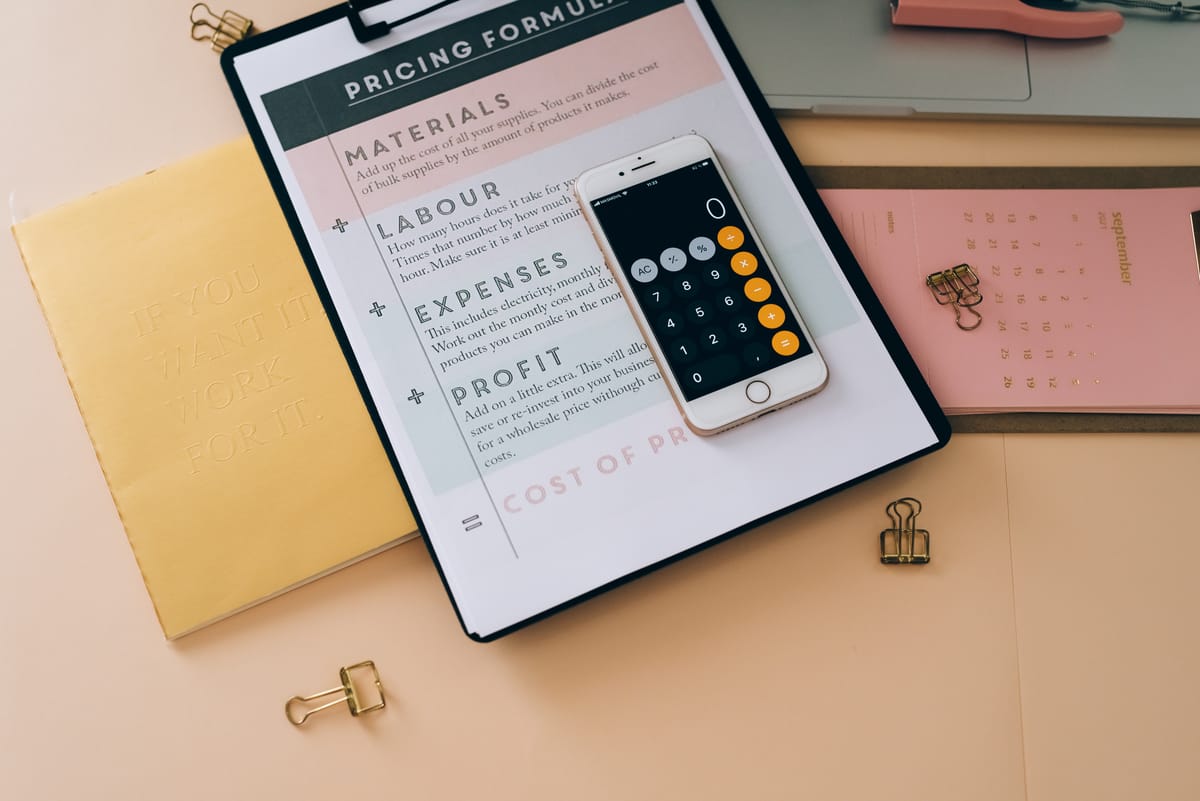
A typical freelance quote looks like a grocery receipt. Line item. Price. Line item. Price. Subtotal. Tax. Total. The buyer scans to the bottom, sees the number, and that number lands in a vacuum, no context, no story, no picture of what it buys. The Quote Storytelling technique fills that vacuum. When the number lands, the buyer already knows exactly what it makes possible.
Why the Brain Buys Stories, Not Spreadsheets
Neuroscience research on decision-making consistently shows that narrative activates multiple brain regions simultaneously, not just the language centers, but the sensory and emotional processing areas. When you read a story about a problem being solved, your brain simulates the experience of that solution. When you read a line item, it doesn’t.
For a buyer evaluating a $15,000 proposal, that simulation matters. The buyer who can picture what their business looks like after the project is complete, the cleaner process, the higher conversion rate, the team working without bottlenecks, is far more likely to approve the investment than the buyer staring at a list of deliverables they’ve never encountered before.
Quote Storytelling is the deliberate engineering of that simulation inside the proposal itself.
The Narrative Block Structure
Each major price block follows the same four-part structure. Memorize it and it becomes fast to write.
1. Action: What will be done. Keep it concrete and specific. Not “strategy development” but “we’ll map your current customer journey and identify the three highest-impact conversion gaps.”
2. Relevance: Why it matters in this client’s specific context. This is where you prove you were listening on the discovery call. Not “this helps with marketing” but “right now, you’re losing roughly 40% of leads between the demo and the follow-up, this is where we close that gap.”
3. Outcome: What the client has at the end of this work. Make it tangible. Not “improved process” but “a documented sales sequence your team can run without you, and a conversion rate you can measure week over week.”
4. Investment: The price, clearly stated. After the narrative, the number feels earned rather than arbitrary.
The sequence matters: action, relevance, outcome, investment. Put the price first and the narrative feels like justification. Put the narrative first and the price feels like a natural conclusion.
Before and After: Three Rewrites
Rewrite 1: Discovery and Strategy
Before: “Strategy Phase, $4,200”
After: “Discovery and Strategy ($4,200), We’ll spend two weeks inside your sales data and customer conversations to identify precisely where your pipeline stalls. You’ll receive a written strategy brief that names the three changes most likely to move your close rate, plus a prioritized implementation roadmap your team can execute with or without our continued involvement.”
Rewrite 2: Website Design
Before: “Website Design and Development, $9,500”
After: “Website Design and Development ($9,500), Your current site was built for a product you no longer lead with. We’ll redesign the homepage, services page, and contact flow around your new positioning, built to convert the B2B buyers you’re now targeting. Delivered in six weeks, optimized for mobile, and built on your existing CMS so your team can update it without a developer.”
Rewrite 3: Monthly Retainer
Before: “Ongoing Support, $2,200/month”
After: “Monthly Growth Partnership ($2,200/month), Each month includes a 60-minute strategy session, written recommendations on your top three priorities, and async support for questions that come up between sessions. Most clients use this time to pressure-test decisions before they act and to keep implementation moving without losing momentum between sessions.”
Notice what each rewrite does: it tells the buyer what the work is, connects it to something specific about their situation, and describes the tangible output. The price is the final piece of information, not the opening.
Making Relevance Specific, Not Generic
The hardest part of Quote Storytelling is the relevance sentence. Generic relevance (“this will help your marketing”) is no better than a line item. Specific relevance (“right now, your onboarding takes 14 days and costs you two clients per quarter who don’t get value fast enough, we’re cutting that to 5 days”) is a different proposition entirely.
Specific relevance comes from your discovery call. Before writing a proposal, identify the two or three specific pain points or opportunities the client named. Write those down verbatim. Then, in the relevance sentence for each price block, connect the work directly to one of those verbatim statements.
This does two things: it demonstrates that you were listening, and it makes the proposal feel custom-built rather than templated. Buyers pay premium prices for custom engagements. A proposal that reads as custom is a prerequisite for premium rates.
The Tone Calibration
Narrative framing doesn’t mean casual. The tone should match the buyer’s industry and context. A proposal for a law firm sounds different from a proposal for a consumer startup. Both can use the narrative structure, but the word choices, sentence length, and confidence level should match the reader’s environment.
For conservative buyers (legal, finance, healthcare): shorter sentences, more formal vocabulary, outcomes framed in terms of risk reduction and operational reliability.
For growth-oriented buyers (startups, agencies, consumer brands): slightly longer sentences, more confident language, outcomes framed in terms of speed, scale, and competitive advantage.
The structure stays the same. The voice adapts to the audience.
Specificity is the difference between a compelling narrative and a generic one. Every sentence that could apply to any client of yours is a sentence that fails to persuade this client specifically.
The Narrative Quote as a Sales Document
Here’s a shift in perspective that changes how you think about proposals entirely: the quote is a sales document, not an accounting document. Its job is not to list what the buyer is getting, its job is to create the certainty that the buyer is getting the right thing.
Narrative framing is the mechanism for that certainty. When buyers can see the outcome in their mind before they approve the investment, approval becomes the logical next step rather than a leap of faith. That’s the whole game.
The best proposals make approval feel inevitable. Quote Storytelling is the tool that makes it so.