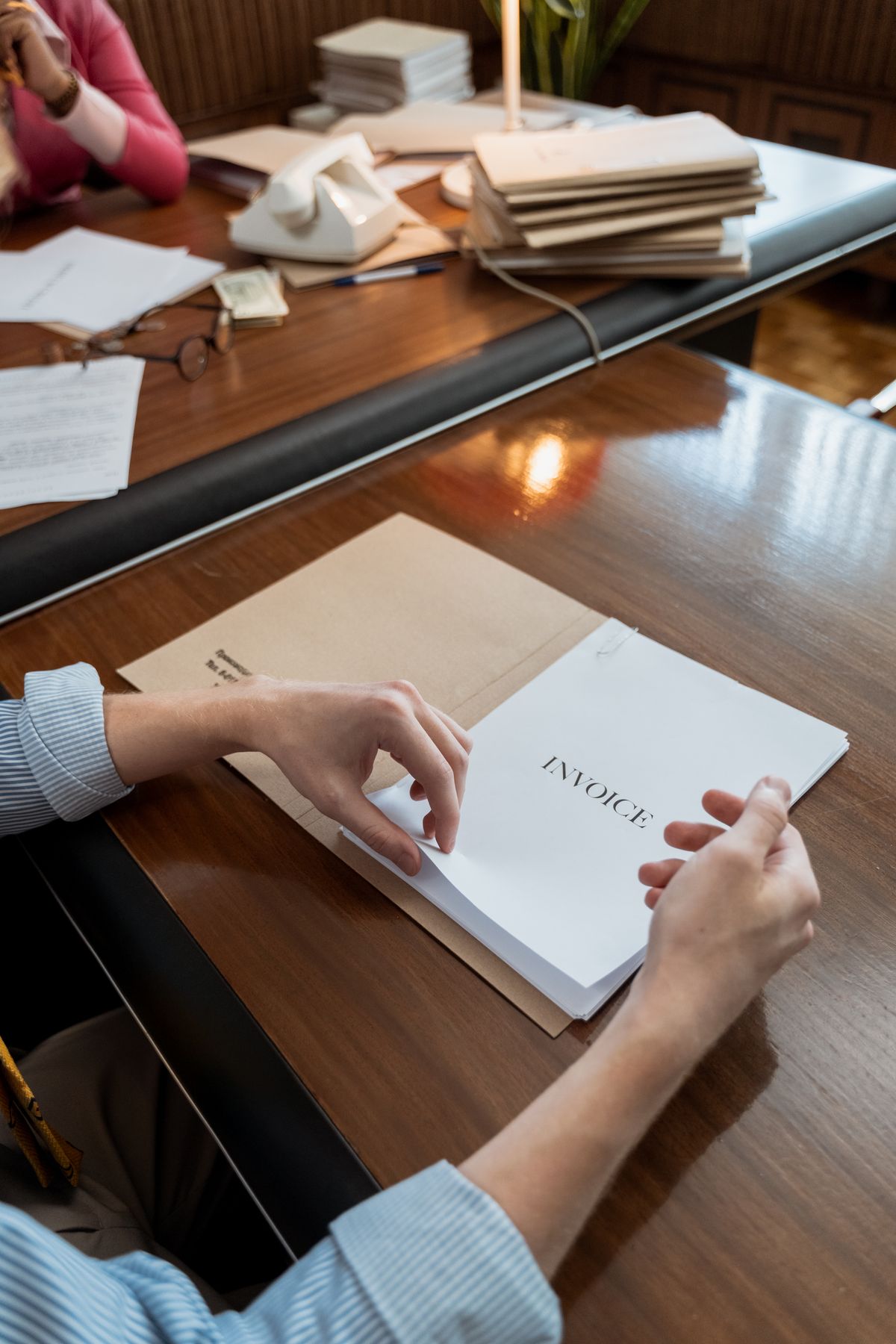
Writing a service quote for a company requires precision, professionalism, and clarity. Companies expect detailed breakdowns, clear timelines, and confidence in your pricing. A well-structured quote wins deals and positions you as a reliable professional who understands business.
Understand the Company’s Needs Before You Quote Anything
The biggest mistake freelancers make when figuring out how to write a service quote for a company is skipping the discovery step. They send a number before they fully understand the problem. Companies notice this immediately.
Before you write anything, get on a call or send a structured intake form. Ask:
- What’s the primary goal of this project?
- Who’s the internal owner and who has final approval?
- What’s your target launch or completion date?
- Have you worked with a freelancer for this before? What went wrong?
- Do you have a budget range in mind?
Document what they tell you. When your quote opens with a one-paragraph summary that mirrors their exact words back to them — “You need a new onboarding email sequence for B2B customers, targeting 40% open rates within 60 days” — they immediately trust that you listened. Generic quotes don’t do this. Yours should.
The Exact Structure of a Professional Company Quote
When you know how to write a service quote for a company correctly, the document follows a predictable, scannable structure. Here’s the format that works for most B2B service engagements:
Header block Your name or business name, address, phone, email, website. Then the client’s company name and contact person. Quote number (e.g., Q-2026-047), date issued, and validity date (30 days out).
Project summary (2–4 sentences) Restate what they asked for. This confirms you understood the scope and gives them something to forward internally without explanation.
Itemized services table
| Service | Description | Qty | Unit Price | Total |
|---|---|---|---|---|
| Brand audit | Review of current visual identity, tone, and messaging across 3 channels | 1 | $950 | $950 |
| Logo redesign | Up to 3 concepts, 2 revision rounds | 1 | $1,400 | $1,400 |
| Brand guidelines doc | Typography, color palette, logo usage rules | 1 | $650 | $650 |
| Subtotal | $3,000 |
Timeline section List each phase with a start and end date. For example:
- Discovery and audit: June 2–6 (5 days)
- Logo concepts delivered: June 13
- Revisions and approval: June 16–20
- Final brand guidelines: June 27
Pricing tiers (optional but effective) See the section below on tiered pricing.
Payment terms 50% due on signing, 50% due on final delivery. Net 7 on invoices. Late payments subject to 1.5% monthly fee.
Validity and next steps This quote is valid through [date]. To proceed, reply with approval or sign below.
Terms and conditions (brief) Cover: what’s included, what costs extra, how scope changes are handled, ownership of deliverables, and confidentiality.
How to Price Services When Quoting Companies
Corporate clients are not the same as individual clients. A mid-size company paying $3,000 for a brand audit is getting a bargain compared to what an agency charges. Know this and price accordingly.
Start with your target hourly rate. If you want to earn $90/hour and a project will take 30 hours, your floor is $2,700. Add 15–20% for overhead, revisions, and client communication time. That puts the quote at $3,105–$3,240. Round to $3,200 or itemize up to $3,000 with clearly scoped terms.
Offering tiered options is one of the smartest moves when learning how to write a service quote for a company. It shifts the conversation from “yes or no” to “which option.” Here’s how tiers might look for a content strategy engagement:
Standard — $2,400 Content audit of 20 pages, 4 new blog posts, keyword map, editorial calendar (3 months)
Professional — $3,800 Everything in Standard, plus 8 blog posts, 2 pillar pages, competitor gap analysis, 6-month editorial calendar
Premium — $5,500 Everything in Professional, plus monthly strategy calls, performance reporting, up to 2 content revisions per post
Most companies pick the middle tier. The premium tier anchors price perception and makes the middle feel reasonable.

Timeline and Deliverables: Be Specific or Lose the Deal
Vague timelines kill quotes. “Approximately 4–6 weeks” sounds uncertain. “Phase 1 complete by June 13, full project delivered by June 27” sounds like someone who has done this before.
For each phase, name the deliverable explicitly:
- Phase 1 deliverable: Written brand audit report (PDF, 8–12 pages)
- Phase 2 deliverable: 3 logo concept files (PNG, SVG, AI)
- Phase 3 deliverable: Final brand guidelines document (PDF + editable Figma file)
Also state what triggers scope changes and what happens when they occur. A clean policy: “Revisions beyond two rounds are billed at $110/hour. Requests to add new deliverables after quote approval will be quoted separately.” Put this in writing in the quote. Companies respect it. It prevents the project from growing without the fee growing.
The Approval Section: Remove Every Reason to Delay
The final section of your quote should make approval frictionless. Tell them exactly what to do next.
A simple closing paragraph:
“To move forward, reply to this email with ‘approved’ or sign below. I’ll send the deposit invoice within the hour and we can lock in your start date. If you have questions, I’m available for a 15-minute call any day this week.”
Then list your contact info again. Don’t make them scroll back to find it.
One more thing: state what happens if they don’t respond. “This quote is valid through June 28. After that date, pricing and availability may change.” This creates a soft deadline without pressure. It also protects you if materials costs or your schedule shift.
Why Most Company Quotes Fail
Most freelancers who struggle with how to write a service quote for a company make the same errors:
Too vague on scope. “Social media management” is not a deliverable. “12 posts per month across Instagram and LinkedIn, scheduled Monday/Wednesday/Friday, with one round of edits per post” is.
No tiers. A single price gives them one choice: take it or leave it. Tiers give them agency.
No timeline. Without dates, companies assume you’re not organized.
Missing payment terms. Experienced procurement teams will not approve a vendor quote with no payment terms. Include them.
Generic language. If your quote could have been sent to any company in any industry, it will feel like it was. Reference their company name, their goal, their timeline throughout.
A good quote takes 45–90 minutes to write when you have the discovery notes in front of you. That time investment is worth it when you’re quoting $2,000–$6,000+ engagements.
A great company quote is clear, professional, and shows you understand their business. Price with confidence, structure it logically, and remove friction from approval.
Ready to send stronger proposals?
Build, send, and track proposals in one place so follow-up is easier.
Start your free trial →