In everyday language, a “quote” might mean a famous saying or a price you looked up online. In a business context, it’s something more specific: a formal offer from a service provider to a client, stating exactly what will be done and what it will cost. Here’s how it works in practice.
The business quote as an offer
In business and contract law, a quote functions as a formal offer. The person sending the quote (the “offeror”) is saying: “I will do this work, at this price, under these conditions.” The client (the “offeree”) can accept, reject, or counter.
When the client accepts — by signing, clicking approve, or sending written confirmation — the offer becomes an agreement. Both parties are now bound by the terms: the service provider must deliver what was described, and the client must pay what was agreed.
This is why the details in a quote matter so much. A vague quote leads to a vague agreement, which leads to disputes.
What distinguishes a quote from similar documents
It’s worth being clear on how a quote relates to other documents you might send:
Quote vs. Estimate — A quote is a firm price. An estimate is approximate and can change as more information becomes available. If you’re not sure of the final cost, send an estimate — but label it clearly.
Quote vs. Proposal — A proposal makes a case for an approach. It often includes a problem statement, your proposed solution, timeline, and pricing. Proposals are typically used for larger, more complex projects. A quote is focused purely on scope and price.
Quote vs. Invoice — A quote comes before the work and states what you’ll charge. An invoice comes after the work (or at milestones) and requests payment. The quote becomes the basis for the invoice.
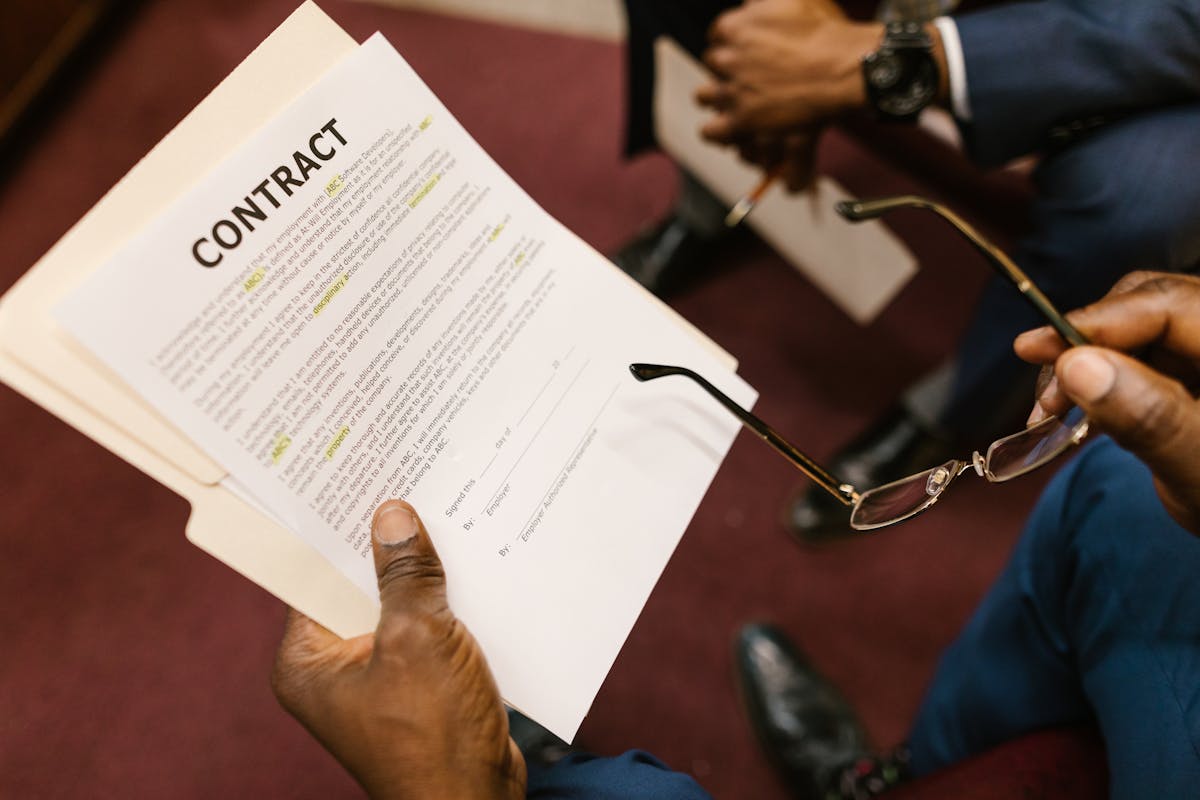
Quote vs. Contract — A contract is a formal legal document outlining all obligations of both parties. A quote, once accepted, can have contractual force, but it typically doesn’t include the full legal detail of a formal contract. For large projects, some freelancers use a contract alongside the quote.
A quote is both a sales document and the foundation of your working agreement. The clearer the quote, the fewer disputes you’ll have later.
What a business quote typically contains
Most business quotes include:
- Header — your business name, contact info, quote number, date, and expiry
- Client details — who the quote is for
- Scope of work — what you’ll deliver, in specific terms
- Pricing — itemized or total, with any applicable taxes
- Payment terms — deposit, milestones, due dates
- Validity period — how long this offer is open
- Acceptance mechanism — how to say yes
The length and complexity scale with the project. A one-page quote is entirely appropriate for a simple project. A multi-phase engagement might warrant a longer document or a full proposal.
Why every freelancer should send quotes
The discipline of quoting is valuable even when clients don’t require it. Writing a quote forces you to think through the scope before you start — which surfaces assumptions and gaps before they become problems. It also creates a record you can refer back to if there’s ever a dispute.
Freelancers who skip quoting tend to have more scope creep, more payment disputes, and more clients who feel surprised by the final invoice. A quote sets the expectations that make a project run smoothly.
Tools like Waco make quoting fast by storing your services as reusable line items. You can assemble a client-ready quote in minutes instead of starting from scratch each time.
Ready to send stronger proposals?
Build, send, and track proposals in one place so follow-up is easier.
Start your free trial →