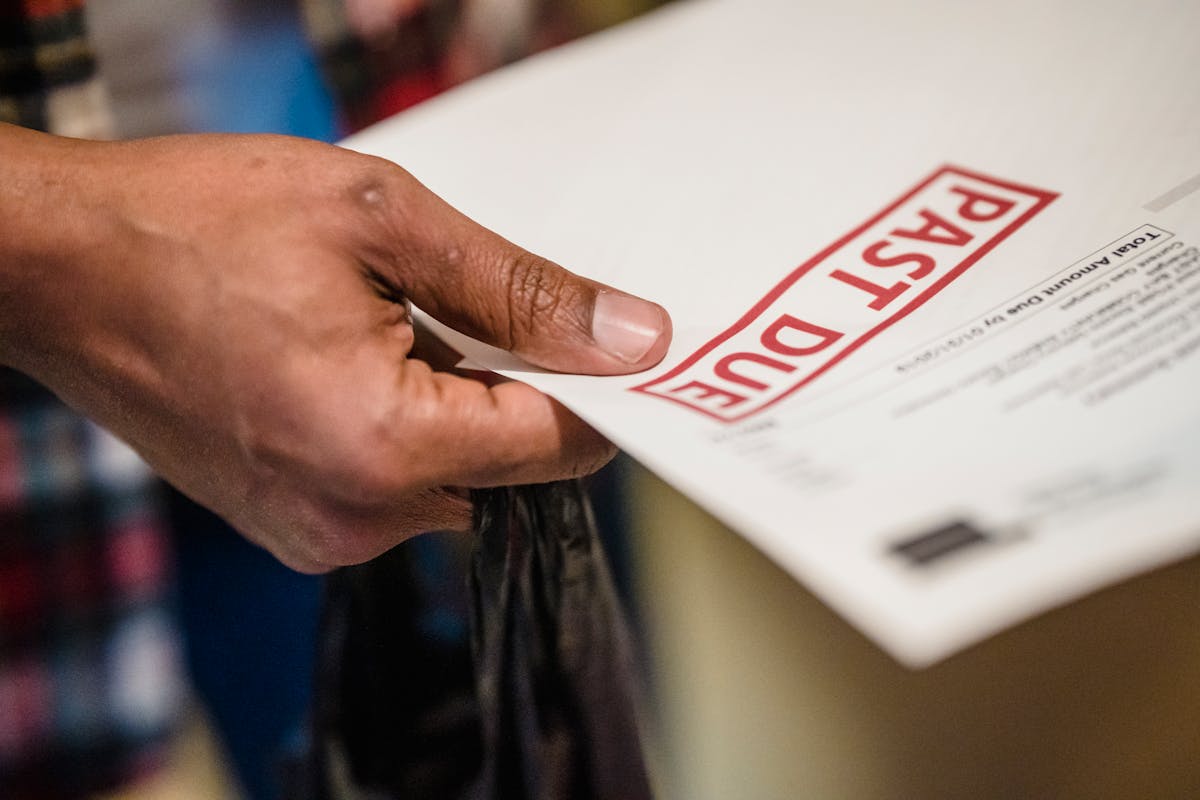
Net 30 is the standard business payment term that looks reasonable in theory but destroys freelancer cash flow in practice. When you accept Net 30, you’re giving clients an interest-free loan for a month. They get to use your work immediately while you wait for payment. Large corporations with strong balance sheets treat this as standard accounting. Freelancers living paycheck to paycheck face a serious financial problem.
The Real Cost of Net 30
Let’s say you’re a freelancer who completes five projects per month at $3,000 each. With Net 30 terms, at any given time you have approximately $15,000 in accounts receivable. You’ve already spent the money to produce that work: paying for software, hosting, contractors, and your own salary. But you can’t access the payment for 30 days.
This creates a gap between your operating expenses and your income. You need to maintain $15,000 in cash reserves just to survive the payment delays from your own clients. If you’re a growing freelancer taking on more projects, that gap grows to $25,000 or $50,000. You become dependent on having massive cash reserves to survive the Net 30 standard.
Freelancers without significant savings face debt. You might use a credit card to cover cash shortfalls, effectively paying interest on money you’ve already earned but haven’t yet received. You’re paying financial costs to wait for your own money. This makes no business sense.

The Power Imbalance
Net 30 exists because large corporations demand it. They have accounting infrastructure and cash reserves. “We pay everyone Net 30” becomes standard even when unnecessary. You don’t have to accept it. Propose Net 7, 15, or Due Upon Receipt. Many clients will accept faster terms without complaint when you propose them.
Why Freelancers Shouldn’t Subsidize Client Cash Flow
When you accept Net 30, you’re essentially giving the client an interest-free loan. If you charged them interest at typical small business loan rates (8-12% annually), a $3,000 invoice would cost them an extra $20-$30 in interest for the month. You’re giving that up for free.
This subsidy is especially unfair for freelancers. You’re self-employed with no corporate backing. You’re the one taking on the risk if the client doesn’t pay. You’re the one who needs cash to fund operations. Yet you’re the one financing the client’s business. This is backward.
If a client truly needs Net 30 because of their cash flow, they should pay a slightly higher rate to compensate you for the wait. This is standard business practice for credit terms. You’re not being unreasonable to ask for compensation for delayed payment.
Net 30 gives clients a free loan funded by your cash flow. You’re financing their operations while you potentially go into debt. Propose faster terms instead.
Better Payment Terms for Freelancers
Net 15 cuts waiting time in half and many clients accept it. Net 7 signals tight operations. Due Upon Receipt is ideal but works best with established clients. 50% upfront and 50% due upon completion eliminates your financing burden and protects you from non-payment.
Practical Negotiation
Propose your ideal terms in the contract. Many clients won’t push back. If they do, offer Net 30 as a concession. For existing Net 30 clients, gradually transition to faster terms. Track who pays on time. Reliable clients get favorable terms. Slow payers require shorter terms or upfront payment. Consider offering a 3% discount for 7-day payment.
Building a Sustainable Practice
Your payment terms should reflect what your business needs to survive, not client convenience. As you grow, your terms should improve. Established clients earn faster payment terms. Successful freelancers apply clear payment policies consistently without bending rules for every request.
Ready to send stronger proposals?
Build, send, and track proposals in one place so follow-up is easier.
Start your free trial →