Creating a quote for a customer is one of the most important moments in your sales process. A quote that’s too vague loses credibility. A quote that’s too detailed overwhelms them. The balance is clarity with confidence, and this guide shows you exactly how to get there.
Step 1: Have a Real Conversation First
Never quote cold. Talk to the customer. Ask about their goals, current situation, timeline, and budget if they’ll share it. Listen for what they’re really trying to solve. Sometimes a customer says they want a website, but what they really need is a way to capture leads.
This conversation informs everything that follows. You’ll quote more accurately because you understand the full picture. You’ll also build rapport. Customers accept quotes from people who listened first.
Take notes on requirements, pain points, timeline, and any constraints. Reference these in the quote. Example: “Based on our discussion about automating your invoicing, here’s a quote for a system that handles proposals, quotes, and payment tracking.”
Step 2: Define Deliverables and Scope
List exactly what you’re delivering. Not “web development” but “five-page website with blog, contact form, and basic SEO optimization.” Break it into logical sections or phases.
For services with open-ended scope, add limiting language: “Includes up to 10 hours of consultation” or “Covers design of three page templates.” This prevents scope creep.
If the customer asks for something outside the main scope, write it as an add-on with separate pricing. “Website redesign: $5,000. Additional page development: $800 per page.” This keeps the main quote clean.
Step 3: Build Your Pricing Model
If you charge by project, multiply hours by your rate, then add overhead and profit. If you charge by deliverable, research what similar work costs in your market.
Consider offering a tiered approach: basic, standard, and premium. This gives customers options and often drives them toward the middle option. Example for a proposal platform: basic tracks proposals, standard adds invoice templates, premium includes analytics and follow-up suggestions.

Step 4: Format for Readability
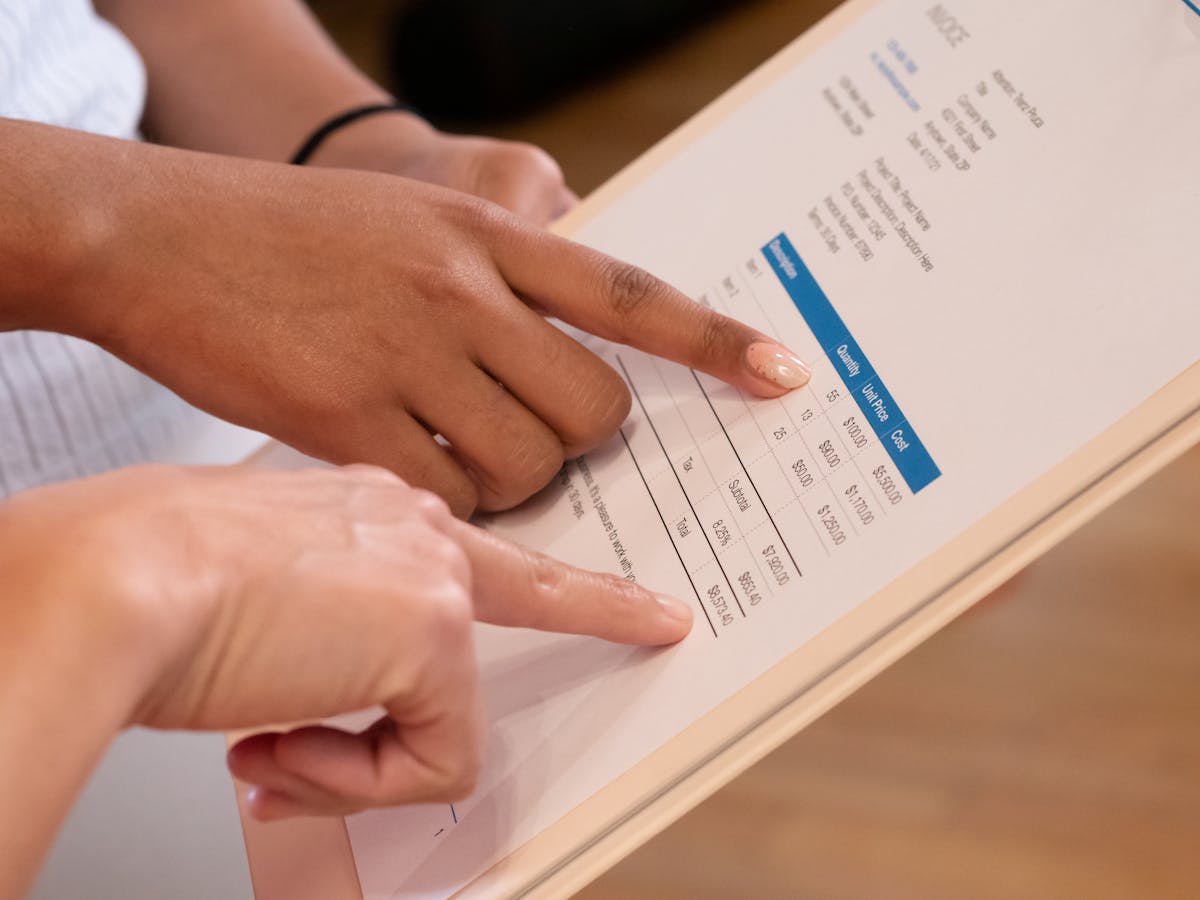
Use a professional template. Include your company name, logo if you have it, the customer’s name, quote number, and date. Break prices into categories. Subtotal, then taxes or fees if applicable, then final total. Use white space. Don’t cram everything into dense paragraphs.
Number sections. Use bold for key information. Make it scannable.
Add a validity date. “This quote is valid until June 15, 2026.” This signals professionalism and creates light urgency.
Step 5: Include Terms and Assumptions
Write a short section on payment terms. “50% due to start, 50% due on completion” or “Net 30 upon invoice.” Be specific about deposits.
List assumptions: the number of revisions included, response time expectations, what happens if scope changes, and any dependencies on the customer’s side. Example: “Assumes you’ll provide product photos and descriptions by the deadline. Delays on your end may shift completion date.”
Crystal-clear assumptions prevent misunderstandings and protect both you and the customer.
Step 6: Add a Personal Touch
Don’t just send a naked quote. Write a short email with it. Thank them for the conversation and affirm that you understand their needs.
Example: “Hi Sarah, thanks for the call yesterday. I’ve put together a quote for the proposal tracking system you described. I’m confident this approach will cut your sales cycle in half. Let me know if you have questions, or reply with your approval to move forward.”
Keep it brief. One or two sentences. Let the quote do most of the talking.
Step 7: Make Next Steps Clear
Tell them exactly how to proceed. “To get started, reply with ‘I approve’ and send payment via [method].” Or “Click the link below to digitally sign and approve.”
If you use tools like Waco3, use the digital approval feature. It’s faster than email back-and-forth.
Step 8: Follow Up Strategically
If they don’t respond in a week, send a light check-in. “Hey, wanted to make sure the quote came through clearly. Happy to discuss any questions.”
If they go silent after two follow-ups, let it go. They’re either not serious or they’ve found another vendor.
Related: Quote Follow-Up Message: Templates That Don’t Feel Pushy
Ready to send stronger proposals?
Build, send, and track proposals in one place so follow-up is easier.
Start your free trial →