Invoicing looks simple until you’re staring at a blank document trying to remember what to include, or waiting 45 days on a payment you needed last week. Getting the process right from the start saves a significant amount of hassle.
Step 1: Confirm the billing contact before you start work
The most common reason invoices get delayed is that they land in the wrong person’s inbox. Before the project begins, ask: “When we’re ready to invoice, should I send it to you or to a different billing contact?”
This one question prevents a lot of email chains later.
Step 2: Build your invoice with these seven elements
Every invoice you send should include:
- Your name and contact details — business name, email, phone, and mailing address if relevant.
- Client name and billing address — match this exactly to what their accounts payable department expects.
- Invoice number — a unique identifier. Even if it’s your first invoice, start at 1001 rather than 1.
- Invoice date — the date you’re sending it.
- Payment due date — state this as a specific calendar date, not just “Net 30.”
- Itemized service list — each line should name the service, quantity or hours, rate, and line total.
- Total amount due — make it large and unmissable.
Optional but useful additions: your business logo, late fee terms, and a payment link.
Step 3: Choose a payment method
Decide how the client will pay and make it easy. Options include:
- Bank transfer / ACH — common for larger amounts; provide your bank details or a secure link
- Credit/debit card — faster for many clients; available through most invoicing platforms
- PayPal or Venmo — fast and familiar, but fees can eat into smaller invoices
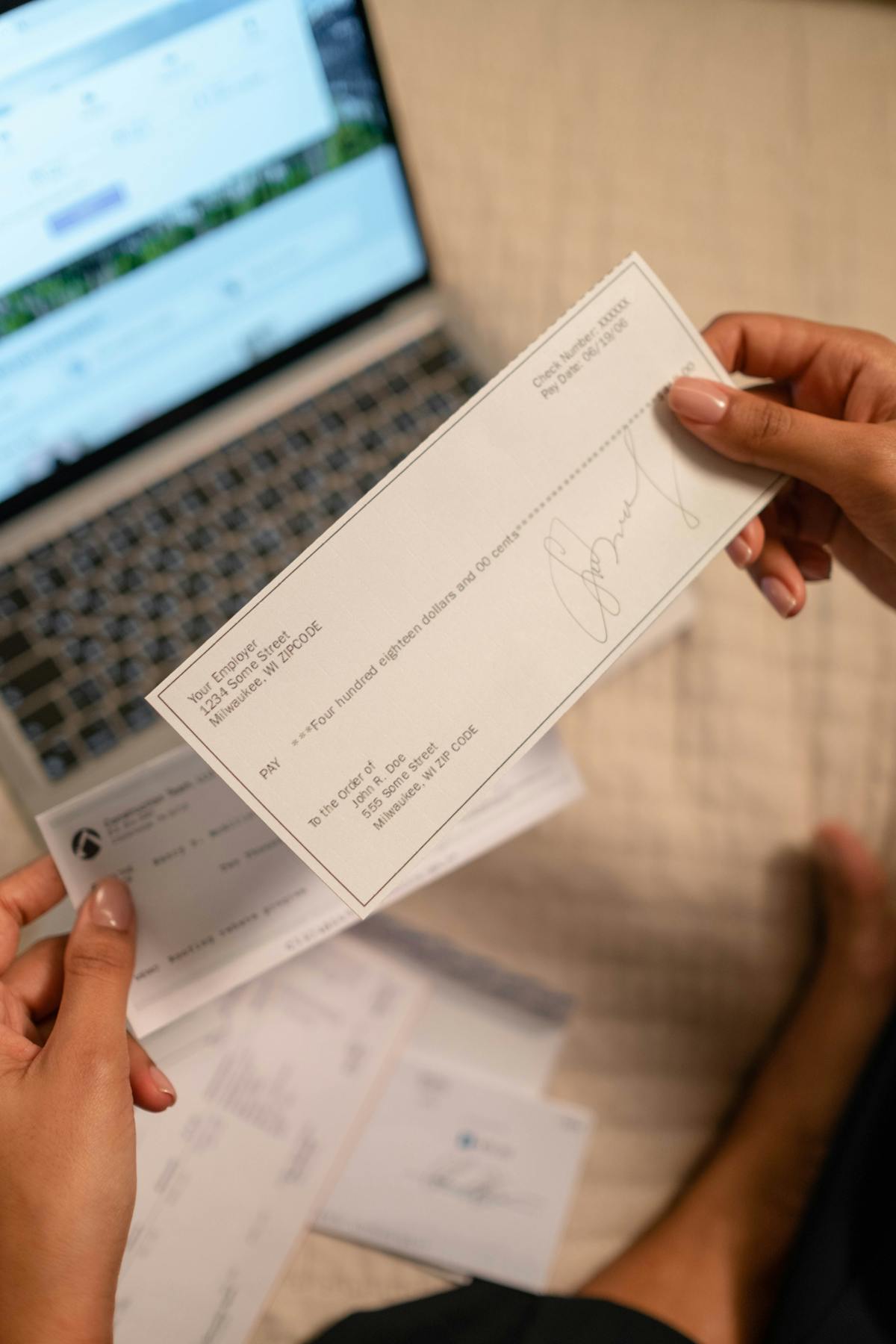
- Check — still used by some larger companies; specify who to make it payable to
Whatever method you choose, put the instructions directly in the invoice body and the email. Don’t make the client search for it.
Step 4: Send the invoice to the right person, at the right time
Who: The billing contact you confirmed in Step 1. CC the project manager if they’re a different person.
When: As soon as the work is delivered or the milestone is reached. Don’t hold an invoice for days after completing work — every day you wait is a day later you’ll get paid.
How: Email is standard. Attach the invoice as a PDF and include the total, due date, and payment link directly in the email body — not just in the attachment.
Attaching the invoice as a PDF is good. Putting the total, due date, and payment link in the body of the email is better. Clients who don’t open the attachment still see the key information and can pay immediately.
Step 5: Track whether it’s been opened
A common frustration: you send the invoice, the due date passes, and you don’t know if the client even saw it. This is where invoice tracking matters.
Knowing whether your invoice was opened changes how you follow up. If the client opened it three times and still hasn’t paid, that’s a payment delay. If it’s never been opened, that might be a delivery or routing problem — and a quick “did this reach you?” is the right first step.
Tools like Waco3 record when your invoice is opened, so you can follow up with the right message instead of guessing.
Step 6: Follow up as soon as it goes overdue
The moment a due date passes without payment, send a reminder. Don’t wait a week.
A simple message:
Hi Sarah, just a note that Invoice #1042 for $2,400 was due yesterday. Please let me know if you need me to resend it or if there’s anything on your end. Payment link: [link]
This takes 30 seconds to send and gets most invoices paid without escalation.
Step 7: Escalate if needed
If you’ve followed up twice and still haven’t heard anything:
- Try contacting a different person (accounts payable, the client’s manager)
- Send a firmer message referencing your payment terms and stating a consequence
- For invoices over 30 days past due, consider a formal demand letter
The vast majority of late invoices are resolved before you reach escalation — most clients just need a prompt.
Common invoicing mistakes to avoid
No specific due date. Writing “Net 30” without a calendar date leaves room for confusion. Always state the actual date.
Sending to the wrong person. The project contact and the billing contact are often different people. Confirm upfront.
Waiting too long to follow up. Sending a reminder two weeks after a missed due date lets the problem compound. Follow up the next day.
Not having your payment terms in the proposal. If the client has never seen your terms until they receive the invoice, you may get pushback. State them in your proposal first.
Ready to send stronger proposals?
Build, send, and track proposals in one place so follow-up is easier.
Start your free trial →