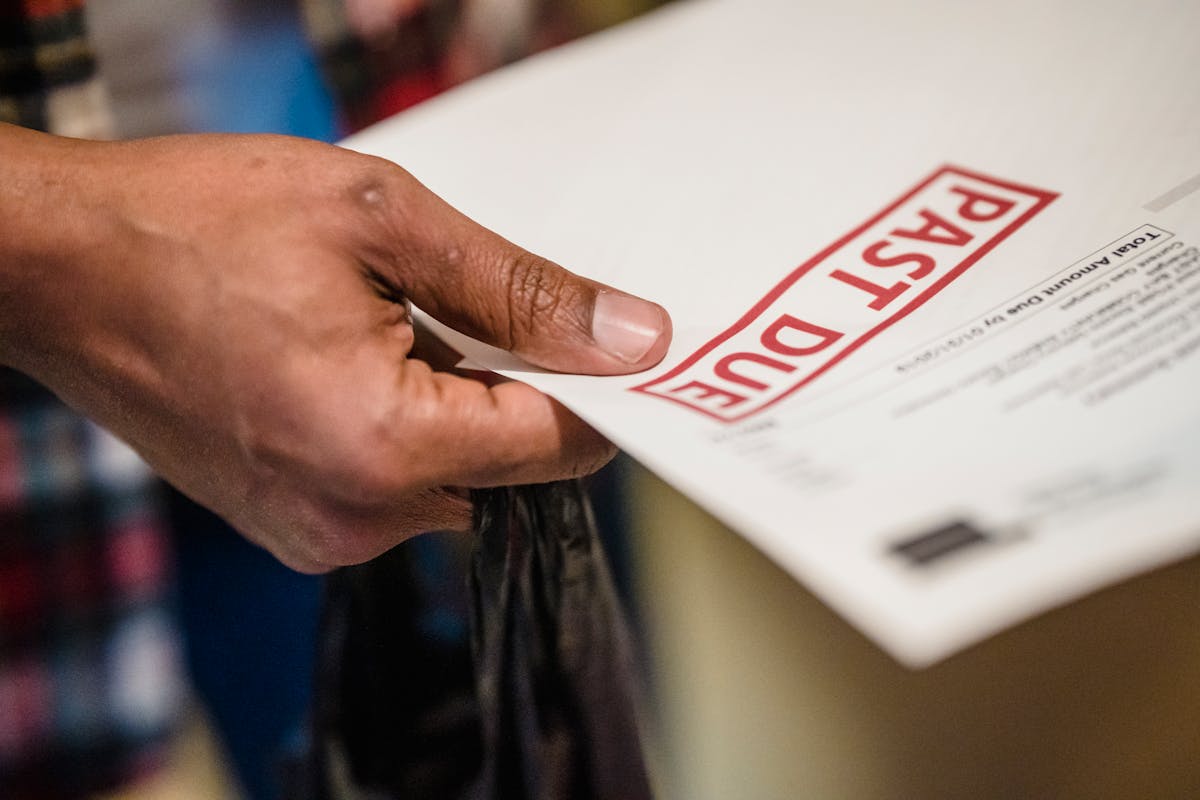
Net 30 billing is a payment system where clients have 30 days after receiving an invoice to pay. For freelancers, it’s both opportunity and challenge: flexible enough to win big contracts, but it strains cash flow if bills are due before payment arrives.
How Net 30 Billing Works
Understanding what is net 30 billing starts with a simple timeline. You complete a project and send an invoice on May 28. The client has until June 27 to pay. They submit a check or bank transfer on June 25, and funds clear in your account by July 1. From the day you finished the work to the day you have cash in hand: 34 days.
That gap is the core issue with net 30. You did the work in May. You pay your software subscriptions, your contractor, and your own rent in June. But the $4,200 from that project doesn’t arrive until July. If you don’t have a cushion, that 34-day gap creates real pressure.
Net 30 vs. Other Billing Models
Before you decide whether net 30 billing is right for your business, it helps to see how it compares to other common terms:
Due Upon Receipt means the client pays when they get the invoice — in practice, most pay within 3 to 5 business days. This is the best option for your cash flow, but many mid-size and enterprise clients simply won’t accept it.
Net 15 splits the difference. You get paid in two weeks instead of a month. Some clients accept this; others treat anything shorter than 30 days as non-standard.
Net 30 is the default expectation for most business-to-business work. If a client has a formal AP department, they almost certainly process invoices on a net 30 cycle.
Net 45 or Net 60 shows up at larger companies and government contractors. A $10,000 project on Net 60 means you’re waiting two full months. At that point, you’re essentially providing an interest-free loan for the privilege of the work.
Deposit plus Net 30 is the hybrid model most experienced freelancers settle on. Collect 30–50% before work begins, invoice the remainder at completion on Net 30. On a $5,000 project, a 40% deposit gives you $2,000 upfront to cover your time and expenses, with $3,000 due 30 days after delivery.
When Net 30 Is Worth Accepting
Not every net 30 situation is a problem. A $15,000 retainer paid Net 30 each month is predictable enough that you can plan around it. The danger isn’t the payment term itself — it’s accepting net 30 billing on small one-off projects where you needed that money last week.
Large companies, marketing agencies, and tech firms expect net 30. If you want access to those contracts, you either accept the terms or get passed over. A design agency paying $8,000 per quarter for monthly deliverables is worth a 30-day wait. A startup that owes you $900 and treats Net 30 as permission to pay whenever they feel like it is a different story.
Net 30 also builds credibility. New clients sometimes take you more seriously when you invoice like a business rather than demanding Venmo up front. That perception can help you land repeat work and referrals.

The Real Cash Flow Math
Here’s where what is net 30 billing gets concrete. Say you’re a freelancer with $3,800 in monthly expenses: $1,200 rent, $400 health insurance, $600 in contractor help, $400 in software and tools, and $1,200 in personal living costs.
You do $9,000 in work in May across three clients, all on Net 30. All three pay on time. That $9,000 arrives in late June. But your June expenses still hit on June 1. If your bank account held less than $3,800 going into June, you have a problem — even though you technically “earned” $9,000 last month.
The fix isn’t complicated, but it requires discipline: keep at least 6 to 8 weeks of operating expenses in a dedicated account before accepting net 30 work. For that $3,800/month example, that means roughly $7,000 to $8,000 sitting in reserve. It’s not earning you anything, but it’s the cushion that makes net 30 billing workable instead of stressful.
Negotiating Better Terms Without Losing the Client
Most clients won’t push back on a deposit request if you frame it correctly. The goal is to make it sound like standard practice — because it should be your standard practice.
For a new client asking for Net 30 on a $3,500 branding project, you might say: “My standard terms include a 50% deposit before work begins, with the remainder invoiced upon delivery at Net 30. That keeps both sides protected as we get started.” Most legitimate clients agree without hesitation. The ones who resist a reasonable deposit request are often the ones who will also be slow to pay the final invoice.
If a client insists on Net 30 with no deposit, you can negotiate in other ways. Offer a 2% early payment discount if they pay within 10 days — that costs you $70 on a $3,500 invoice but dramatically improves your cash flow if the client takes it. Some finance-savvy clients actively look for early payment discounts because it’s essentially a guaranteed 24% annualized return for them.
For ongoing monthly clients, push for Net 15 on monthly invoices rather than Net 30. Frame it as streamlining the billing cycle. Many clients agree because it simplifies their own bookkeeping.
Setting Up Late Payment Policies
The time to talk about late fees is before you start work, not after an invoice goes unpaid. Include a late payment clause in every contract and repeat it on every invoice. A 1.5% monthly fee on overdue balances (which works out to 18% annually) is standard and enforceable in most jurisdictions.
On a $5,000 invoice that’s 30 days overdue, that’s $75. Not life-changing, but it signals that you track your receivables and you mean business. More importantly, it gives you something specific to reference when chasing payment: “Per our agreement, a 1.5% late fee has been applied to Invoice 2026-047, bringing the total to $5,075.”
Be consistent about it. If you waive the fee every time someone pays late, you’ve trained your clients to treat your due dates as suggestions.
A Simple Reminder System That Works
Send a friendly reminder on day 25 — five days before the invoice is due. Keep it short:
“Hi [Name], just a heads-up that Invoice 2026-047 for $3,200 is due on June 27. Let me know if you have any questions or need the invoice resent.”
If payment hasn’t arrived by day 32, send a follow-up with a firmer tone:
“Hi [Name], Invoice 2026-047 for $3,200 was due on June 27 and we still show it as unpaid. Please let me know your expected payment date so I can update our records.”
If you reach day 45 with no payment and no response, pause any active work and escalate: “Per our agreement, I’m placing a hold on further work until the outstanding balance is resolved. Please confirm payment timing so we can move forward.”
This sequence handles 90% of slow-pay situations without a lawyer or a collections agency. Most clients who go quiet simply forgot — the day 25 reminder alone will often get you paid before the due date.
Net 30 billing is standard for large clients, but managing the cash gap it creates is what separates freelancers who thrive from those who struggle.
Tracking What You’re Owed
Once you have three or four active clients, tracking net 30 invoices mentally becomes unreliable. At minimum, keep a running log with these columns: invoice number, client name, invoice date, amount, due date, and payment received date.
At a glance, that spreadsheet tells you how much cash is coming and when. If you see three invoices totaling $11,400 due in the next 10 days and your checking account has $1,800 in it, you know to follow up proactively rather than waiting for the money to show up.
Invoicing software that flags overdue invoices automatically removes the mental load of remembering who owes what. The reminder emails go out on schedule whether you think about it or not, which matters when you’re heads-down on client work.
When to Refuse Net 30
If a new client with no track record wants a $6,000 project on Net 30 with no deposit, that is not a standard business arrangement — that is you fronting six thousand dollars to a stranger. Require at least a 30% deposit before starting work with any client you haven’t invoiced before.
If your cash reserve is under one month of expenses, don’t take on net 30 projects until you’ve rebuilt it. The work isn’t worth the stress of watching your bank account drain while waiting for payment.
Net 30 billing is a permanent part of freelance life if you work with business clients. The freelancers who handle it well aren’t the ones who avoid it — they’re the ones who build reserves, set clear terms, send consistent reminders, and don’t let the 30-day clock reset with every slow payment. Get those systems in place once and the payment terms stop being a source of anxiety.
Ready to send stronger proposals?
Build, send, and track proposals in one place so follow-up is easier.
Start your free trial →