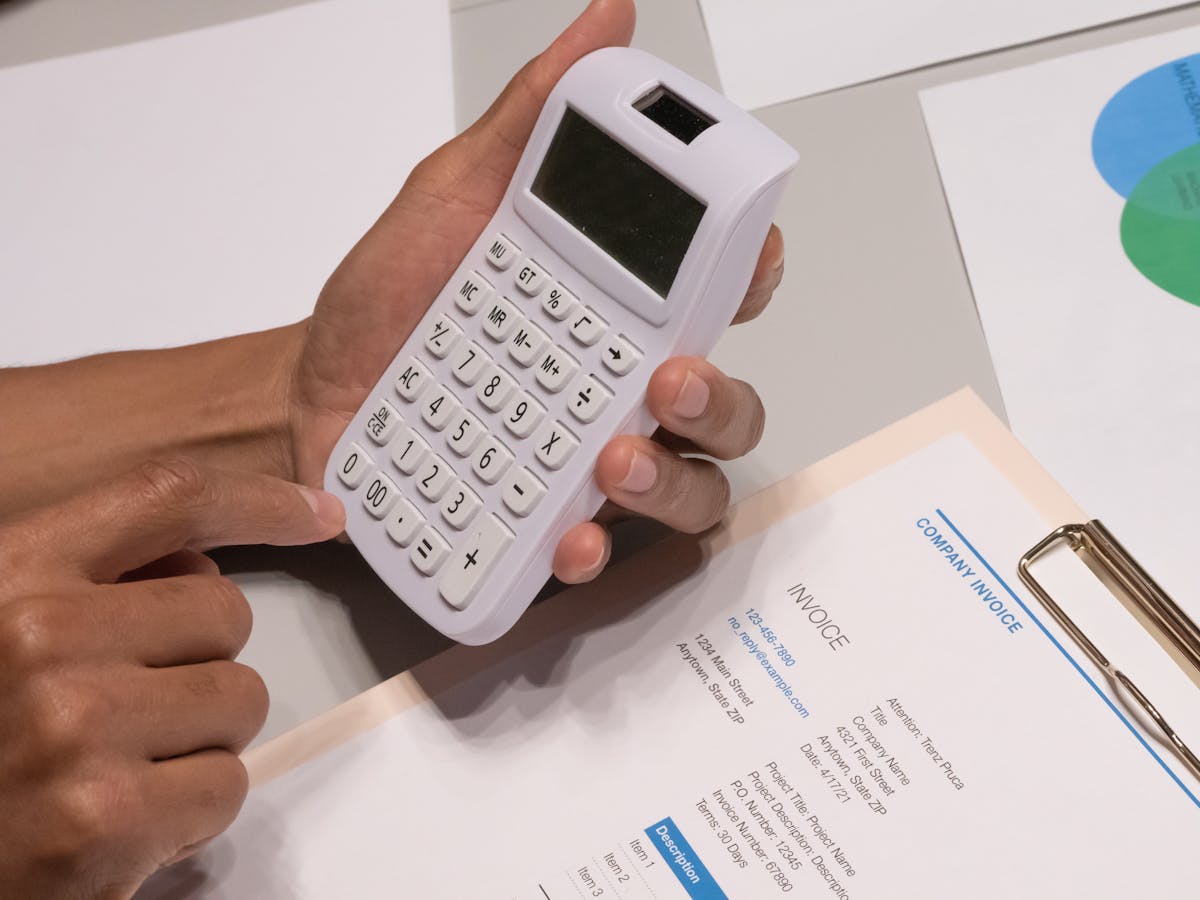
The validity clause in a quotation is a single sentence that does meaningful legal and commercial work. Getting the wording right—and putting it in the right places—takes about two minutes.
Below are ready-to-use samples for different validity periods and situations, along with guidance on when to use each.
Standard validity wording samples
30-day validity (most common for services):
This quotation is valid for 30 days from the date of issue (valid until [expiry date]). After this date, pricing and availability are subject to review.
21-day validity:
This quotation is valid until [expiry date] (21 days from the date of issue). We recommend confirming your acceptance before this date to secure the proposed rate and timeline.
14-day validity:
Prices quoted herein are valid for 14 days from [issue date]. Due to [scheduling constraints / current project demand / supplier pricing], we cannot guarantee these rates beyond [expiry date].
7-day validity (for cost-sensitive or materials-based quotes):
This quotation is valid for 7 days from the date of issue. Prices reflect current material/supplier costs and are subject to change without notice after [expiry date].
60-day validity (for enterprise or government contexts):
This quotation is valid for 60 days from the date of issue (through [expiry date]), allowing adequate time for internal review and procurement approval.
Where to place validity wording
The validity period should appear in two locations within the document:
Location 1 — Header metadata block: Include it alongside the issue date:
Quote Number: Q-2026-018
Date Issued: May 27, 2026
Valid Until: June 26, 2026
Location 2 — Terms and conditions section: Add one of the sample sentences above as a standalone line or as part of a broader terms paragraph. This makes the validity clause visible even for clients who skip the header.
Redundancy is intentional. Clients who later claim they weren’t aware of the expiry date have a harder time making that argument when it appears twice.
Write the expiry as a specific date, not just “30 days from issue.” Clients read documents at different times. A specific date removes any ambiguity about when the clock started.
Wording for extending validity
When a client needs more time and you’re willing to extend:
I’m happy to extend the validity on Quotation [Q-XXXX] through [new expiry date]. Please let me know if you have any questions before then.
Or, for a more formal extension:
Please note that Quotation Q-2026-018, originally valid until June 26, 2026, has been extended through July 11, 2026. All other terms remain unchanged.
Send this as a brief email and keep it in the quote thread so the extension is documented.
Wording for reissuing an expired quote
When a client comes back after expiry and pricing has changed:
Thank you for following up on Quotation Q-2026-018. As the validity period has passed, I’ve reissued the quote with current pricing—please see the attached revised quotation (Q-2026-022). The previous quote is no longer valid.
When pricing hasn’t changed and you’re comfortable honoring the original:
Although the original quote has expired, I’m happy to honor the pricing for an acceptance received by [new date]. After that date, I’d need to reissue with updated availability and rates.
What not to write
Vague validity statements to avoid:
- “This quote is valid for a reasonable period.” — What’s reasonable is subjective and unenforceable.
- “Prices may change.” — This is too indefinite to create any real protection.
- “Valid subject to availability.” — Availability is already implied; this adds no useful information.
Overly threatening validity clauses:
- “This offer expires immediately if not accepted within 7 days and we reserve all rights.” — Sounds defensive and can put clients off unnecessarily.
The goal is protection, not intimidation. A single clear sentence with a specific date accomplishes that without creating friction.
Sample quotation footer incorporating all key terms
Payment Terms: 50% deposit required to begin. Balance due upon project completion.
Revisions: Two rounds of revisions included. Additional revisions billed at $X/hour.
Validity: This quotation is valid until [date]. Pricing and availability are subject to change after this date.
Acceptance: To accept this quotation, please reply to this email or sign and return a copy.
That four-element footer covers the most important terms a freelance service quote needs.
Ready to send stronger proposals?
Build, send, and track proposals in one place so follow-up is easier.
Start your free trial →