A receipt and an invoice are different documents, but for B2B transactions, a receipt often references the invoice it’s paying off. Knowing where to find that reference — or what to do when it’s missing — helps you keep your records clean.
Why receipts sometimes include invoice numbers
Receipts are issued to confirm payment. When a receipt is confirming payment of a specific invoice, it typically references that invoice by number so both parties can link the payment to the billing record.
This is standard in:
- Business-to-business service transactions
- Accounting software-generated receipts
- Receipts accompanying ACH or bank transfer confirmations
- Expense reimbursement documentation
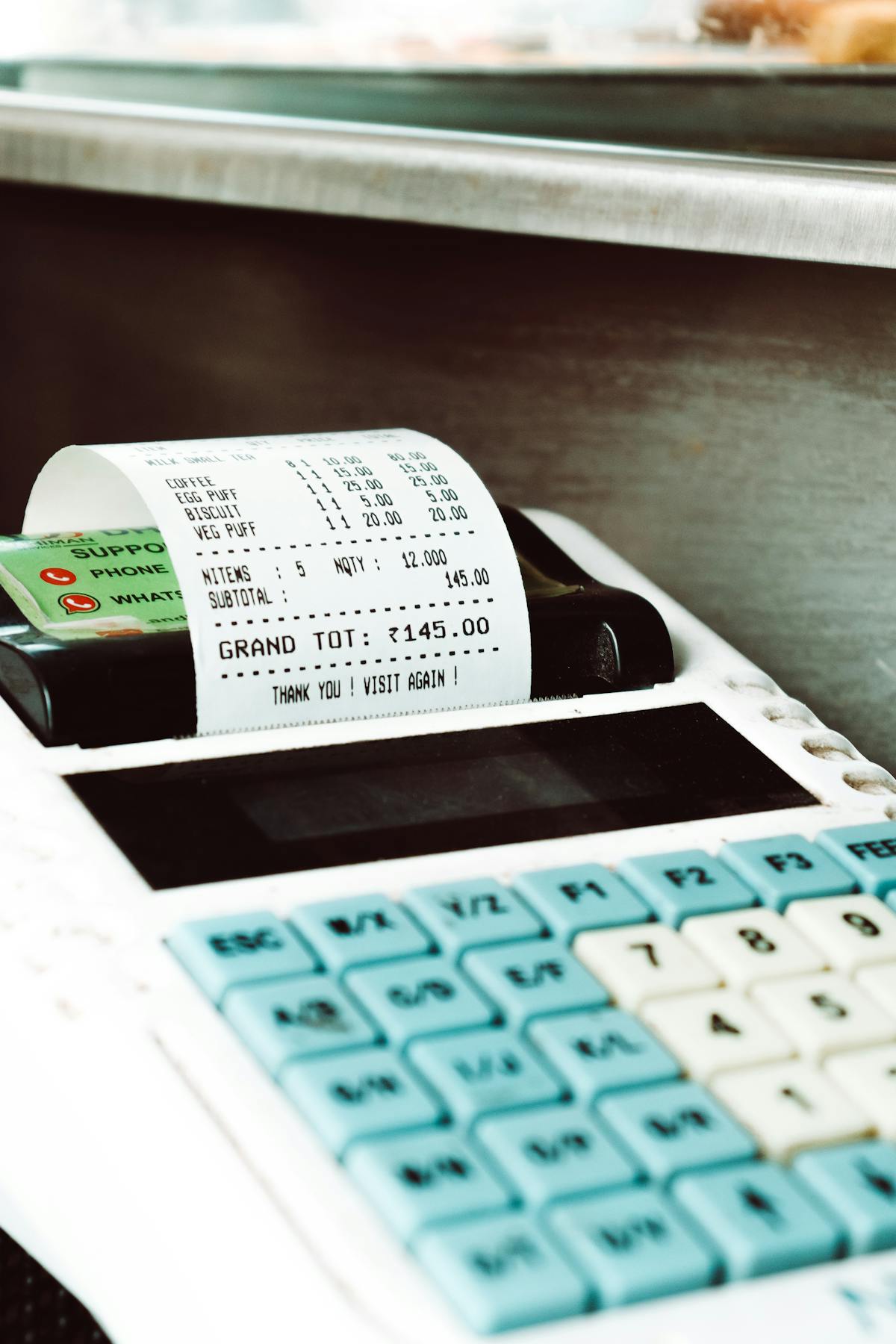
Retail receipts — from a store, restaurant, or online shop — are usually self-contained. They confirm what was bought and what was paid but don’t reference a separate invoice, because no separate invoice was issued.
Where to find the invoice number on a receipt
The location varies by the format, but look in these places:
Near the top of the document: Many receipt formats include a “Reference:” or “Invoice Reference:” field in the header section, alongside the receipt number and date. Example: “Invoice Reference: INV-2026-047.”
In a “For” or “Re:” field: Some receipts use “For:” or “Re:” to describe what the payment is for. Example: “For: Invoice #2026-047 — Brand Design Project.”
In the transaction details table: If the receipt includes a line-item table, the invoice number may appear in the description column: “Payment re Invoice #2026-047 — full balance.”
In the notes or memo section: At the bottom of the receipt, a notes or memo field sometimes contains the invoice reference if the payer included it in their payment.
On the original invoice, not the receipt: If the receipt doesn’t include the invoice number, cross-reference by matching the amount and date. The invoice number lives on the invoice itself — the receipt is just confirmation of payment.
If you’re creating receipts manually, always include the invoice number in a “Reference:” field. This single addition makes reconciliation effortless for both your bookkeeping and the client’s records — and eliminates the most common source of “which payment was this for?” confusion.
When a receipt doesn’t have an invoice number
Common situations where receipts lack invoice numbers:
Point-of-sale transactions: Retail and e-commerce receipts are generated at checkout and have no associated invoice. The receipt number is the only identifier.
Payment platform confirmations: PayPal, Stripe, and Venmo send their own confirmation emails with transaction IDs, not invoice numbers. You’ll need to match them to your invoice records manually by amount and date.
Bank transfer confirmations: ACH confirmation documents from the bank show the transaction amount, date, and reference number — but the reference field only contains the invoice number if the payer specifically included it in their transfer notes.
Cash transactions: A handwritten receipt may or may not include an invoice number depending on whether the person writing it remembered to include it.
How to match receipts to invoices when the number is missing
- Match by amount and date: Find the invoice with the same total and a due date near the receipt date.
- Check payment notes: Bank transfer confirmations sometimes include a memo field where the payer wrote the invoice number.
- Ask the payer: “Can you let me know which invoice this payment is for?” is a routine accounting question.
- Use your invoice records: If you track invoices in software or a spreadsheet, filter by amount and approximate payment date.
Adding invoice numbers to receipts you create
When you write a receipt to confirm a client’s payment, always include the invoice reference:
Receipt for payment of Invoice #2026-047 Invoice total: $3,500.00 Amount received: $3,500.00 Date received: May 30, 2026 Method: ACH transfer Balance remaining: $0.00
This format makes the connection between billing and payment explicit. Your client’s bookkeeper will thank you, and you’ll have a clean record if you’re ever asked to verify that a specific invoice was paid.
Invoice numbers on receipts are a bookkeeping convenience, not a legal requirement. But including them costs nothing and saves time whenever reconciliation is needed.
Ready to send stronger proposals?
Build, send, and track proposals in one place so follow-up is easier.
Start your free trial →