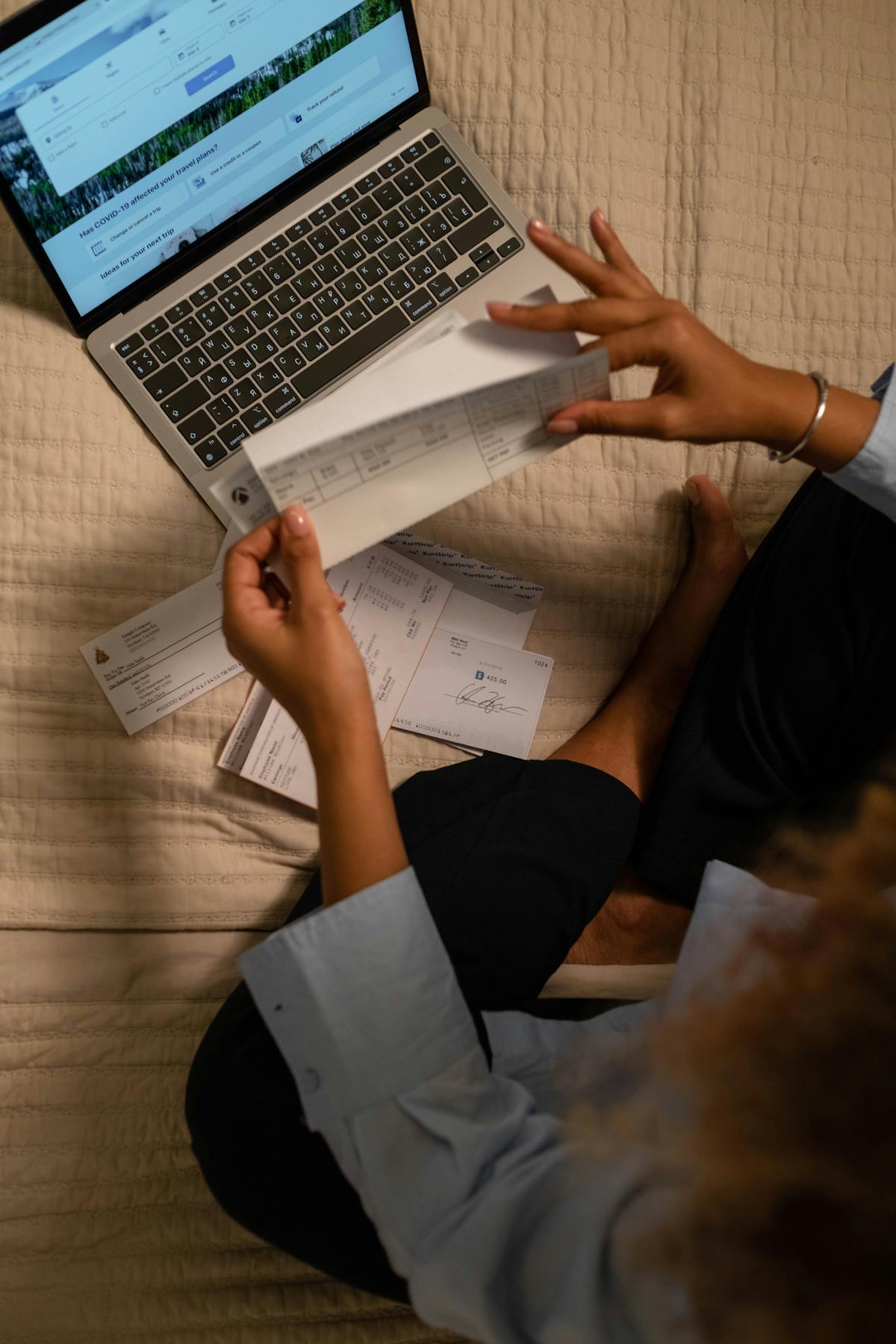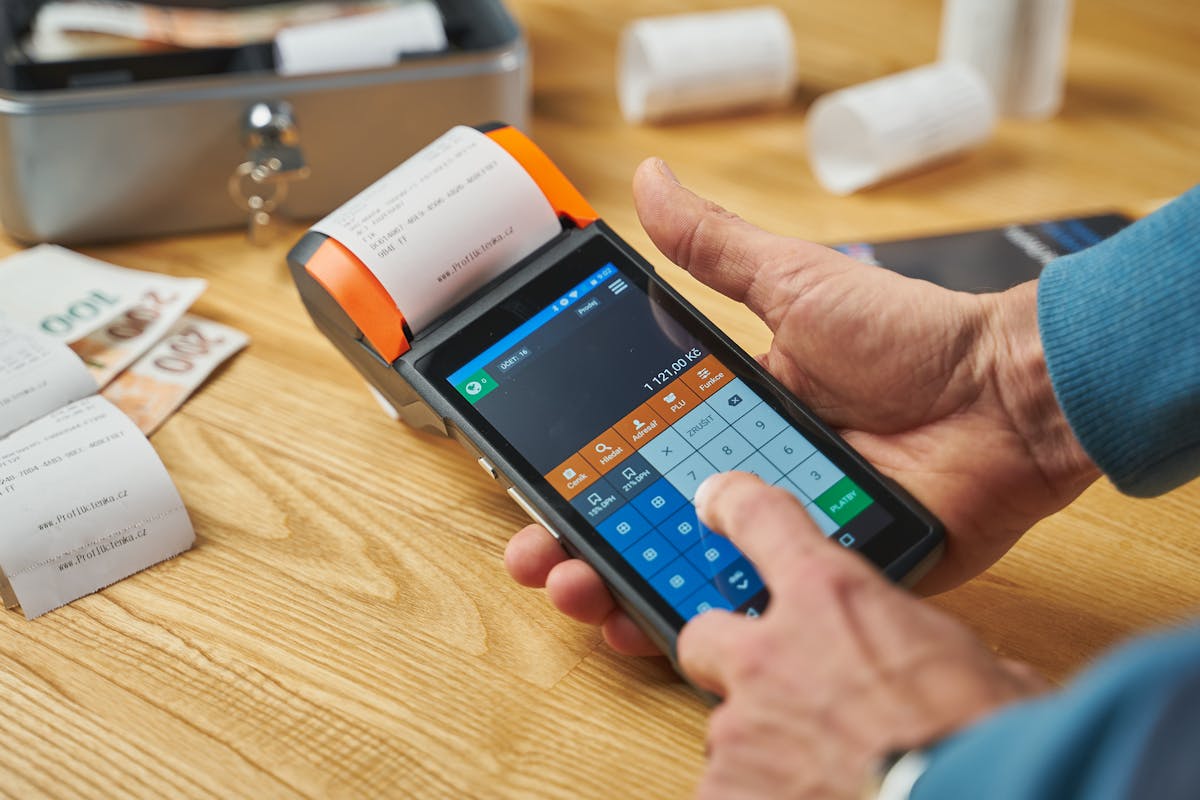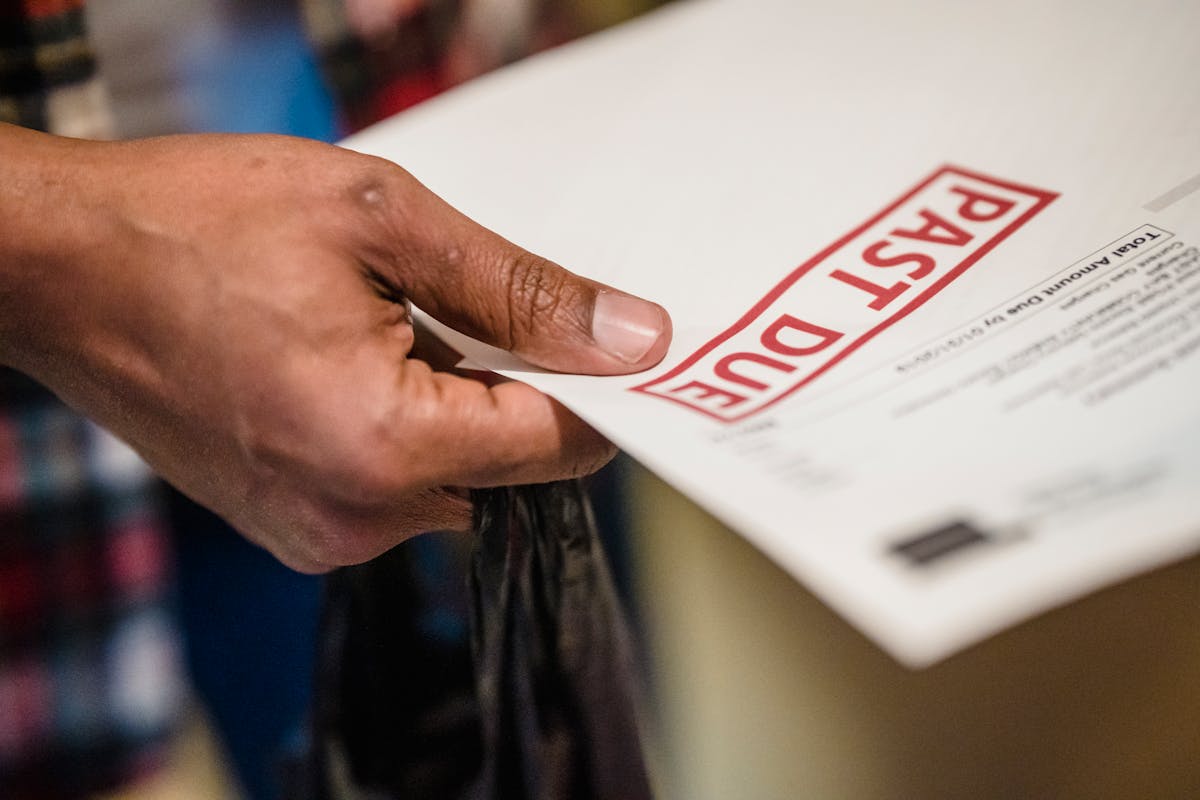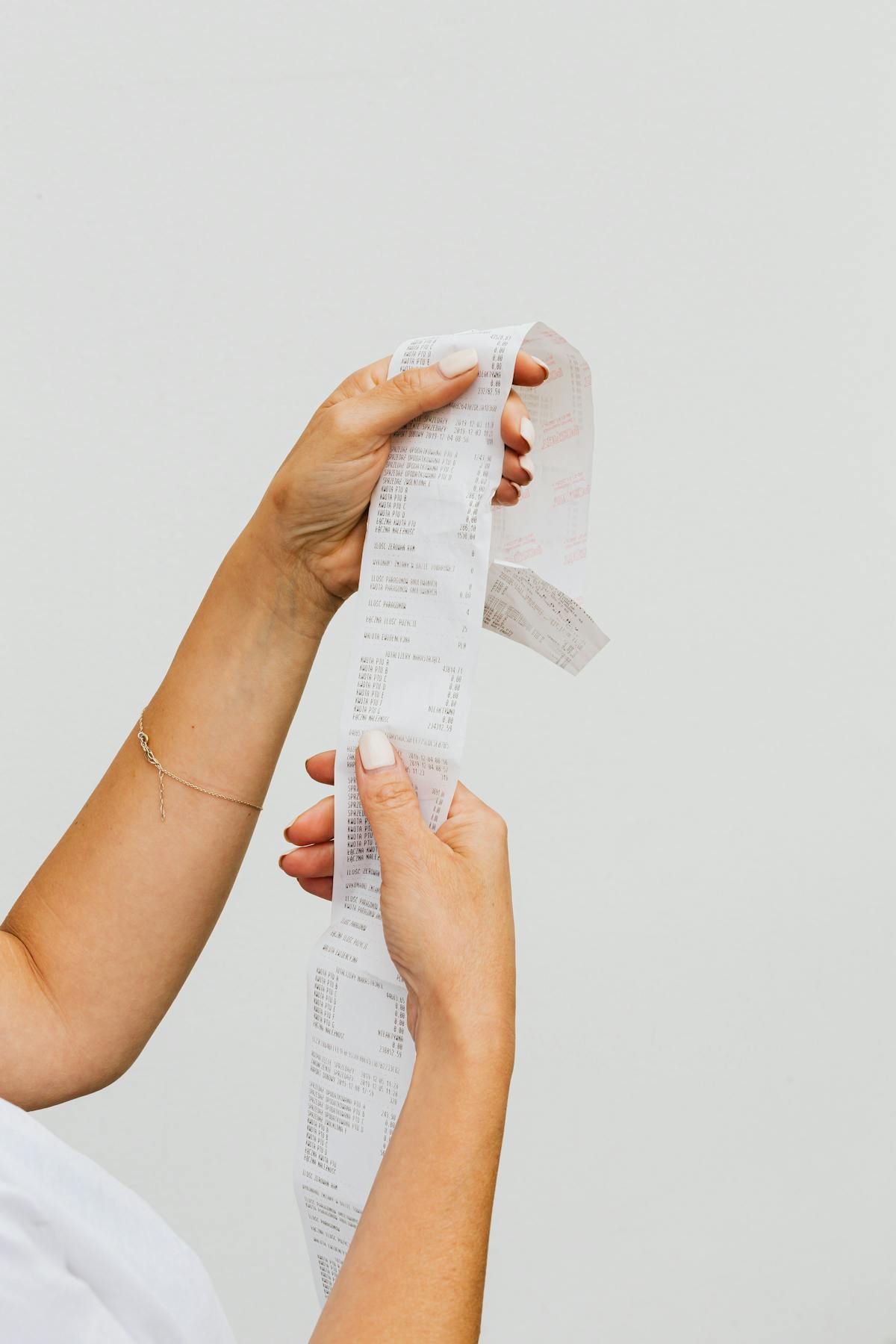
Bills and receipts are different documents with different purposes. A bill requests payment for work you’ve done. A receipt confirms payment has been received. Sending the wrong document at the wrong time confuses clients and creates payment delays. Most freelancers use the terms interchangeably, but understanding the difference matters for your invoicing workflow.
What’s a Bill
A bill is a formal request for payment. You send a bill after completing work and before getting paid. The bill shows what you did, how much it costs, and when payment is due.
For freelancers, bill and invoice mean the same thing. You might say “I sent them a bill” or “I sent them an invoice” and both are correct. The bill is your claim on the client’s payment.
A bill includes your company name, the client’s name, a description of work, the amount due, and the due date. It’s a binding document that establishes the client’s obligation to pay.
What’s a Receipt
A receipt is proof that payment happened. You send a receipt after the client has paid. The receipt shows the payment amount, payment date, and payment method.
A receipt is for the client’s records. They might need it for their accounting, for tax purposes, or to file away with their business documents. A receipt confirms the transaction is complete.
Some payment systems like PayPal generate receipts automatically. But sending your own receipt with a professional template shows attention to detail and professionalism.
Why the Order Matters
If you send a receipt before requesting payment, the client will be confused. They’ll wonder if they already owe you, or if they’ve already paid. It breaks the payment workflow.
The correct sequence is: Invoice, then payment, then receipt. Don’t skip the invoice step.

What Freelancers Often Get Wrong
Many freelancers call everything a “bill” and skip receipts entirely. They send an invoice and once payment clears, they move on without confirmation.
This creates problems if the payment gets disputed later. A receipt proves you received the money and completed the transaction. Without it, you rely on bank statements and emails to reconstruct the payment history.
The professional approach is sending an invoice requesting payment, then sending a receipt confirming payment received. Include a thank-you note in the receipt. This builds client trust and creates a clear paper trail.
Bills request payment. Receipts confirm it. Both need to be professional, clear, and include all necessary details for accounting and bookkeeping purposes.
Best Practices for Bills and Receipts
Make your bill clear and specific. Don’t write “Invoice for services rendered, $3000.” Write “Web design consultation for ABC Corp, including site audit, competitive analysis, and redesign recommendations, $3000, due June 15.”
When payment arrives, send a receipt immediately. Thank them for the payment and confirm the amount and purpose. Keep a copy for your records.
With Waco3, the system generates both invoices and receipts automatically. You send one professional invoice and once payment is received, you can email a branded receipt with one click. This removes confusion and ensures both you and your client have matching records.
Ready to send stronger proposals?
Build, send, and track proposals in one place so follow-up is easier.
Start your free trial →