These three terms (bill, invoice, receipt) get used interchangeably in conversation but mean different things in business accounting. Knowing the distinction helps you issue the right document to clients, respond correctly when clients ask for paperwork, and stay organized when your accountant asks for records.
What is a bill?
A bill is a document that tells you what you owe and requests that you pay it. You’ve consumed the product or service, and now the provider wants payment.
Examples:
- Your electricity bill showing this month’s usage and the amount due
- A restaurant bill showing what you ordered and the total
- A contractor’s bill for labor completed
In everyday language, “bill” is the informal word for any payment request. In business accounting, it often specifically refers to expenses you owe. Bills from vendors and suppliers appear in your accounts payable.
What is an invoice?
An invoice is a formal, structured bill used in business-to-business transactions. It serves the same purpose as a bill, requesting payment, but includes more formal elements:
- A unique invoice number
- The seller’s and buyer’s business information
- Itemized list of goods or services
- Quantity, rate, and total for each line item
- Payment terms (Net 30, Net 15, etc.)
- A due date
When you’re a freelancer sending a client a payment request, you’re sending an invoice, not just a bill. The distinction matters because invoices are tracked in accounting systems, referenced in contracts, and used for tax purposes.
What is a receipt?
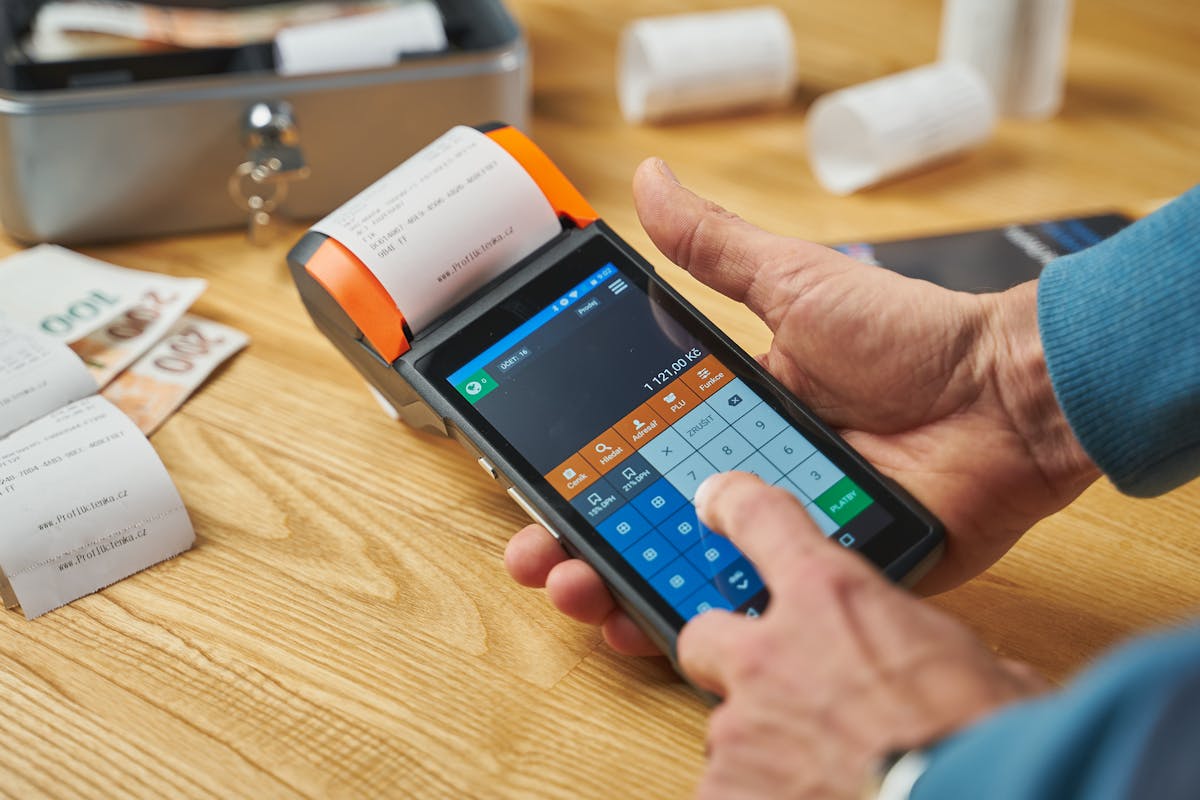
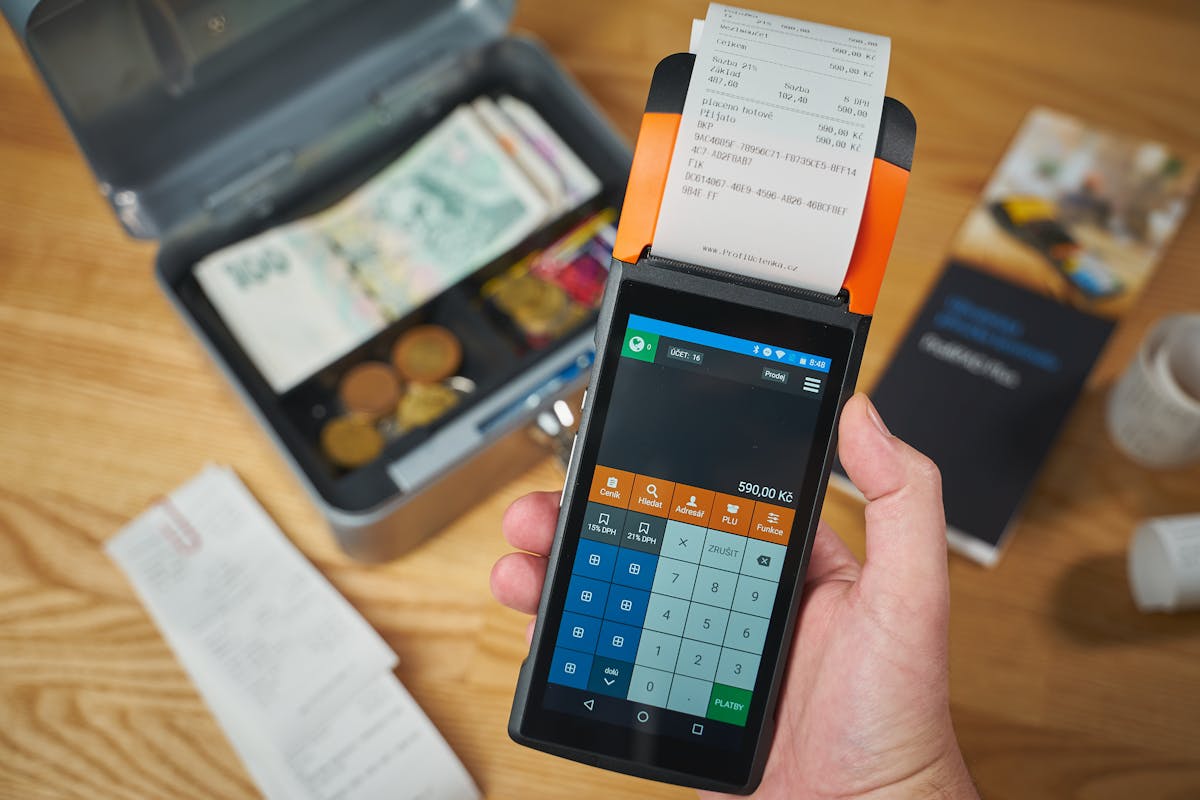
A receipt is proof of payment. It confirms that a transaction was completed. Money was exchanged and the account is settled.
Examples:
- A grocery store receipt showing items purchased and amount paid
- A PayPal confirmation email
- An invoice marked “PAID” with payment date
In freelance work, you should issue a receipt (or a paid invoice) whenever a client asks for confirmation of payment. This is important for their accounting records and can be required for corporate expense reimbursements.
The practical rule: a bill comes before payment, a receipt comes after. If you’re deciding which document to send, ask yourself whether money has been exchanged yet.
How they interact in a freelance transaction
Here’s the full lifecycle:
- You complete the work
- You send an invoice (a formal bill requesting payment)
- The client pays
- You issue a paid invoice or payment receipt confirming the transaction
Some clients, particularly corporate clients who need to submit expense reports, will specifically request a receipt. They’re asking for confirmation of payment, not the original invoice. Send them a copy of the invoice marked as paid, with the payment date and method noted.
When to use “bill” vs “invoice” with clients
Use “invoice” in all business communications. “I’ve sent over the invoice” sounds professional. “I’ve sent over the bill” sounds casual and can create ambiguity about the document type.
Your clients’ accounting teams will process invoices. They’ll be confused if you submit documents labeled “bill”. It may not match their vendor payment workflow.
What about a statement?
A statement is a summary document showing all invoices, payments, and outstanding balances over a period, typically a month. It’s not a payment request itself but a summary of where the account stands. If a client owes you on three invoices from different dates, a statement shows all three plus any payments received and the total balance due.
Some freelancers send monthly statements to clients with ongoing relationships. It’s a professional practice that keeps both sides’ records aligned and reduces disputes about what’s been paid.
Receipt requirements for business clients
Corporate clients often need receipts to process expenses internally. Requirements vary but typically include:
- Your business name and contact information
- Their company name
- Description of services
- Amount paid
- Date of payment
- Payment method
A “paid invoice” with these details satisfies most corporate receipt requirements. If a client needs a standalone receipt rather than a marked invoice, your invoicing tool should be able to generate one.
The version that matters in your accounting
For your own records:
- Keep every invoice you send (unpaid and paid)
- Keep every receipt you receive from vendors
- The paid invoices are your income record
- The vendor receipts are your expense record
Your accountant works with invoices and receipts, not bills. Using the right terminology in your records and with your clients makes the bookkeeping cleaner and reduces questions at tax time.
Ready to send stronger proposals?
Build, send, and track proposals in one place so follow-up is easier.
Start your free trial →