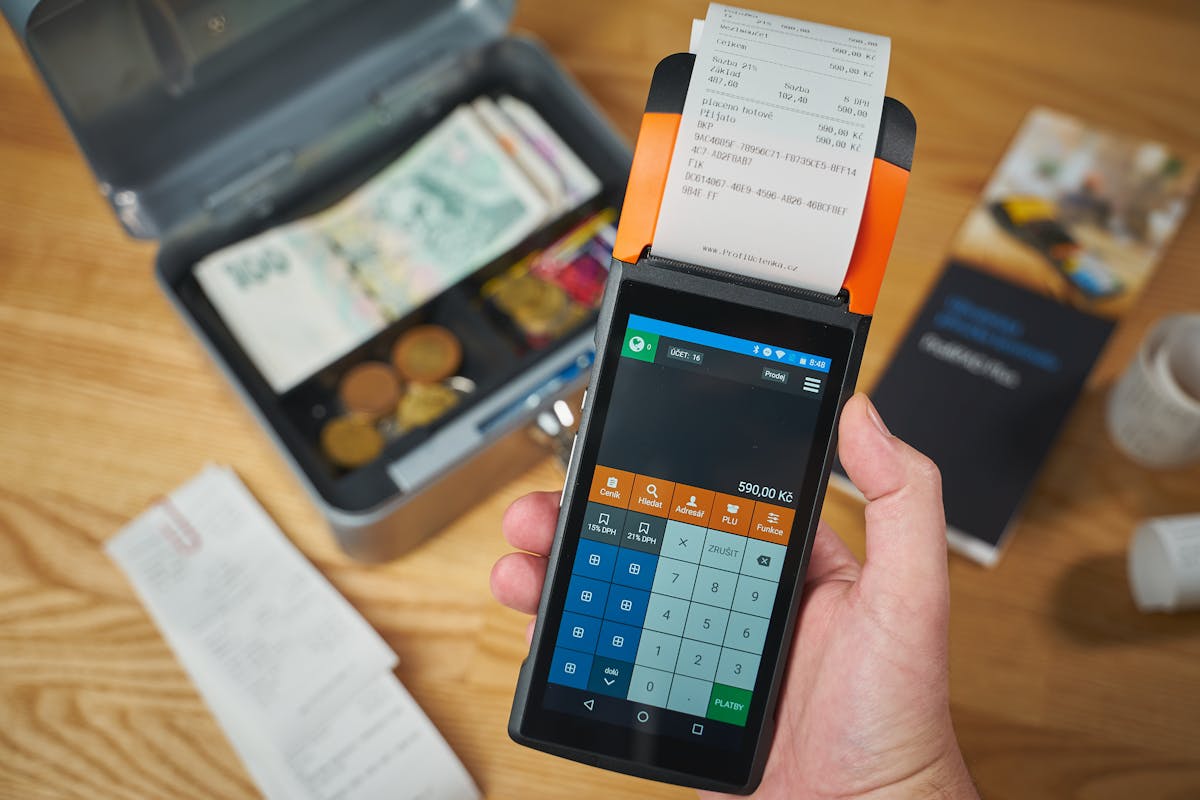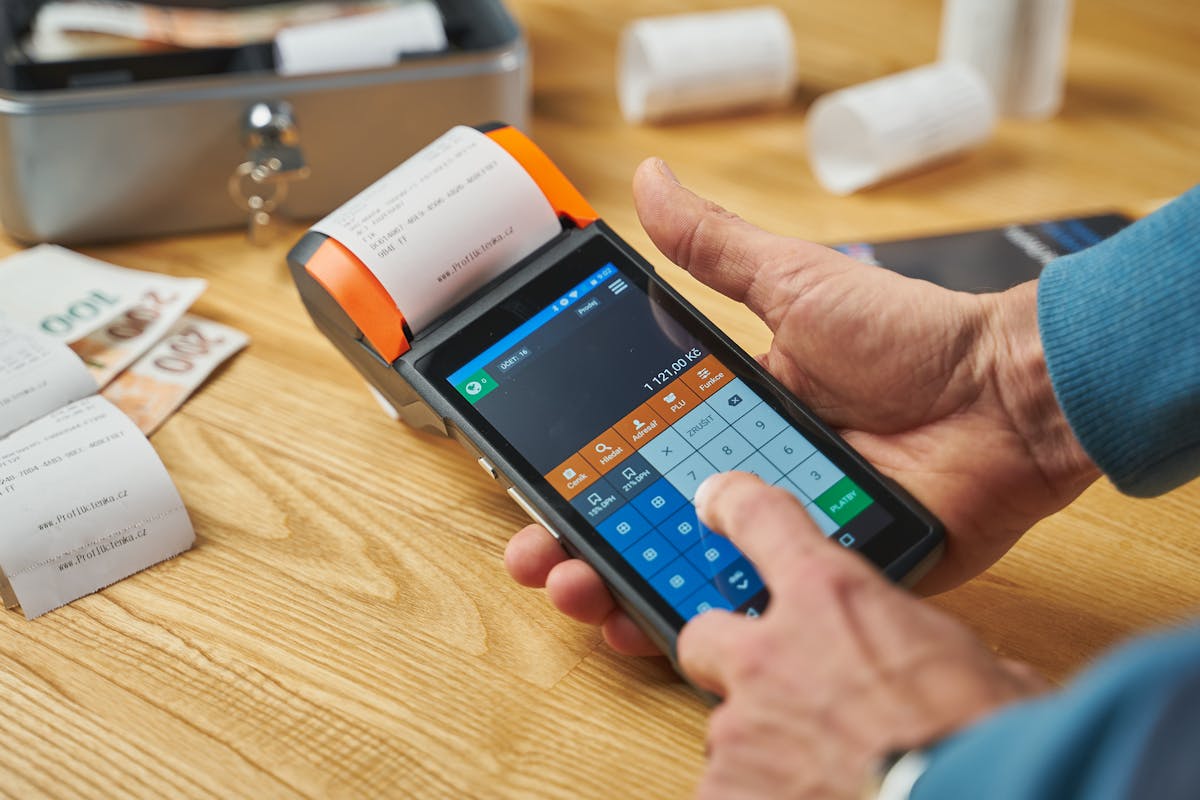
Combining an invoice and receipt into one document is legal in most places and works well in exactly one situation: you get paid the same day you deliver. Anything longer than that, keep them separate. The most common problem with combined documents is a client who genuinely isn’t sure whether they’ve already paid.
When Combining Works Well
Same-day payment is the clearest case for a combined document. A consultant who completes a session and collects payment on the spot can issue a single document showing the service, the amount, and confirmation that payment was received. The client leaves with proof of both the transaction and the payment. Clean, complete, nothing missing.
This also works for anyone who collects payment at the time of delivery — contractors, photographers who charge upon handoff, service providers whose clients pay cash or card on the day. One document is simpler to issue and easier for the client to file.
Some freelancers handle it slightly differently: they issue an invoice first, receive payment, then resend the same document marked “Paid in Full” with the payment date added. The client ends up with a single final record that serves both purposes without confusion about whether payment is still outstanding.
When Keeping Them Separate Is Better
If your payment terms extend past a few days, split them. Sending a document that functions as both an invoice and receipt before payment has been received creates real confusion — the client either isn’t sure if they owe you money or assumes the document confirms they’ve already paid.
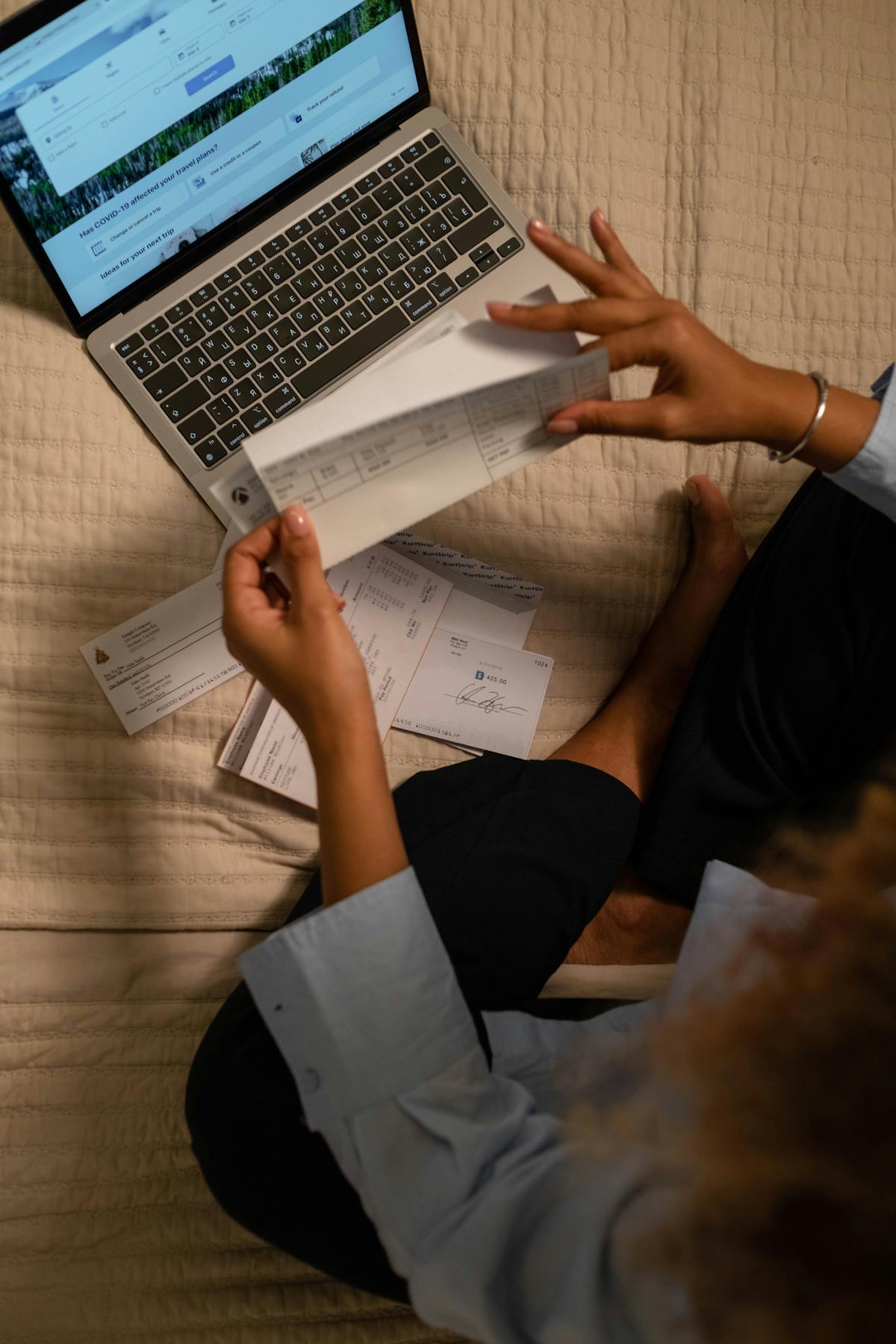
Separate documents give you a cleaner timeline. The invoice shows when you billed; the receipt shows when they paid. If you have a client who pays late, or if you’re ever in a dispute about when money changed hands, two documents with different dates are much easier to work with than one combined doc.
If a dispute ever arises about when money changed hands, separate documents are much easier to defend. There’s no ambiguity about the billing date versus the payment date — they’re on different pieces of paper with different dates.

Elements Both Documents Must Include
If you merge them, include everything both need:
Invoice side:
- Invoice number and date
- Your business name and contact info
- Client name and address
- Detailed service or product description
- Amount due
- Payment terms
Receipt side:
- Receipt number and date (can match invoice number)
- Payment received confirmation
- Amount paid
- Payment method (check, card, transfer, cash)
- Date payment received
Make it clear which parts are invoice and which receipt. Separate sections or label “Invoice Details” and “Payment Confirmation” so no one gets lost.
The Legal Question
The IRS doesn’t require freelancers to issue separate invoices and receipts. A single document containing all the required information — your business details, the client’s name, the services rendered, the amount, and confirmation of payment — satisfies the requirement in most US contexts.
Some countries are stricter, particularly in parts of Europe and Latin America where tax authorities specify exact document formats and numbering systems. If you regularly bill international clients, it’s worth a quick check with your accountant or a direct query to the relevant tax authority. The question is simple enough to resolve in one email.
Hybrid Approaches
There’s a middle path some freelancers use: issue the invoice, then when payment arrives, resend the same invoice marked “Paid in Full” with the payment date added. The client gets one final document that confirms both the transaction and the payment. You have a clear record showing when you requested payment and when it cleared.
Another variation is to issue a separate receipt that simply references the original invoice number: “Receipt for Invoice #24-11, paid in full on [date].” The two documents stay separate but are clearly linked, and anyone reviewing your records can follow the trail from bill to payment without confusion.
Combined for same-day payment. Split for longer terms and to track AR clearly.
What Most Freelancers Should Do
The simplest rule: match your document approach to your payment terms.
- Same-day or instant payment — combined document works. One record, no ambiguity.
- Net 15, 30, or 45 terms — keep them separate. Invoice goes out when the work is done. Receipt goes out when payment clears.
Whichever you choose, pick one system and use it consistently. Clients who receive invoices one way and receipts another way will eventually send a confused email about whether they owe you something. Accountants prefer predictability too — when your records follow a consistent pattern, reconciliation is faster and tax season is less painful.
Proposal tools like Waco3 handle the receipt generation automatically when a payment is logged, so you don’t have to create it manually or decide anything — the system tracks the invoice date, the payment date, and generates the confirmation without a separate step.
Ready to send stronger proposals?
Build, send, and track proposals in one place so follow-up is easier.
Start your free trial →