Many freelancers ask: do I need a receipt if I have an invoice? The short answer is that it depends on your jurisdiction, how you accept payment, and how thorough you want your records to be. Understanding when each document applies, and when you genuinely need both, keeps your business protected and your taxes straightforward.
The Core Difference: Invoice vs. Receipt
An invoice and a receipt are not interchangeable, even though they look similar. An invoice is a request for payment. You send it before money changes hands, and it tells your client what they owe, when it’s due, and how to pay. A receipt is a confirmation that payment was received. It goes out after the money lands in your account.
Picture a freelance web designer who invoices a client $2,400 for a landing page redesign. She sends Invoice #47 on May 1st, due in 14 days. The client pays on May 10th. At that point, an invoice alone only proves she billed $2,400. It does not prove the client actually paid. A receipt issued on May 10th closes that loop. It shows the amount received, the date, and links back to the original invoice.
That gap between the ask and the confirmation is exactly why so many freelancers wonder whether receipts are truly necessary. The answer depends on a few practical factors.
When You Can Combine Invoice and Receipt
For same-day or instant payments, a single document can legitimately serve both purposes. If a client pays you via Stripe immediately after you send a PayPal invoice, or hands you cash the moment you finish a job, you can issue a document labeled “Invoice and Receipt” or “Payment Receipt” that covers both functions in one step.
This approach works cleanly for service providers who collect on the spot: a photographer who gets paid at the end of a shoot, a consultant who takes a credit card at the close of a workshop, or a handyman paid in cash after completing a repair. The document shows the service performed, the amount charged ($350 for a half-day shoot, for example), and confirms receipt of that exact amount.
The critical rule: never label a document “Invoice and Receipt” unless payment has actually been received. Sending a combined document when the client hasn’t paid yet creates false accounting records and can confuse both your bookkeeping and your client’s.

The Best Practice: Send Both, Separately
For any project with payment terms (Net 7, Net 15, Net 30), the cleanest approach is to send an invoice first and a separate receipt once payment clears. This two-document approach gives you a timestamped paper trail that answers every question a client or tax auditor might raise.
A concrete example: a freelance copywriter sends Invoice #112 on April 5th for $1,800, due April 19th. The client pays on April 22nd, three days late. The invoice shows what was owed and when. The receipt shows what was paid and when. If there’s ever a dispute, whether the client claims they paid on time or their accounts payable team says they never received the invoice, you have two dated documents that tell the complete story.
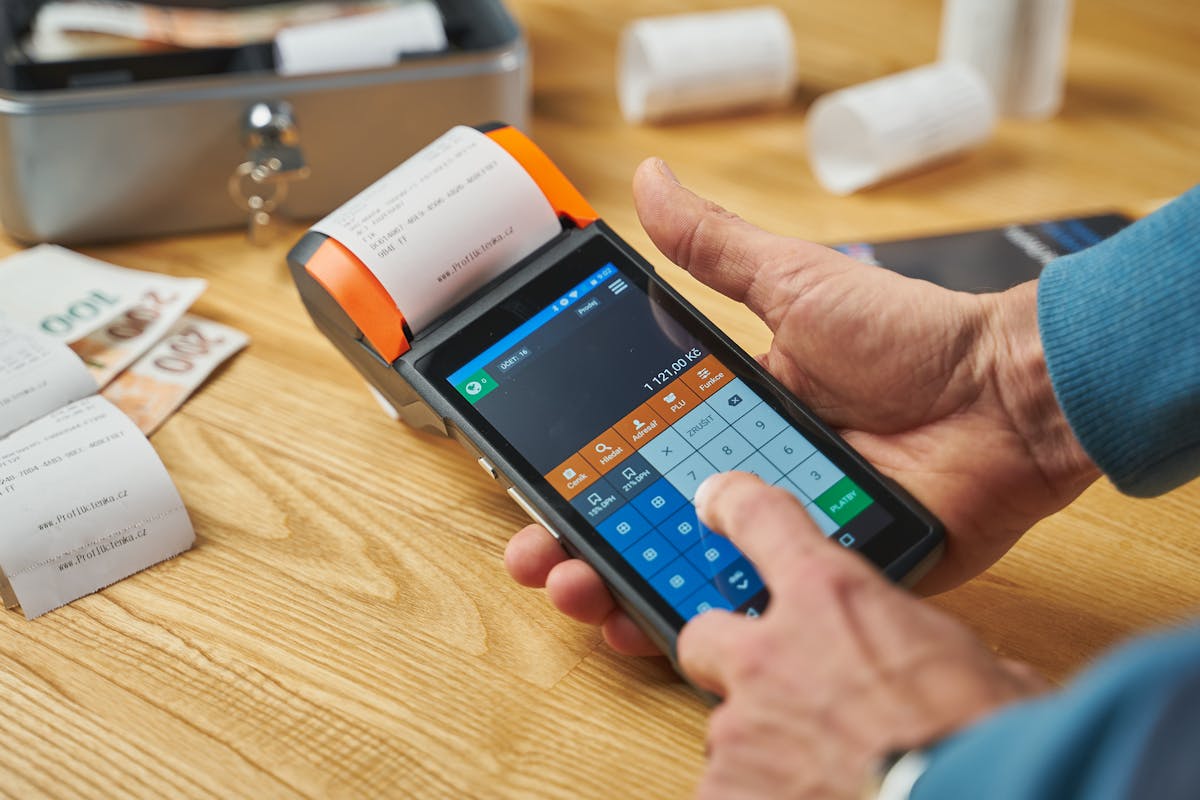
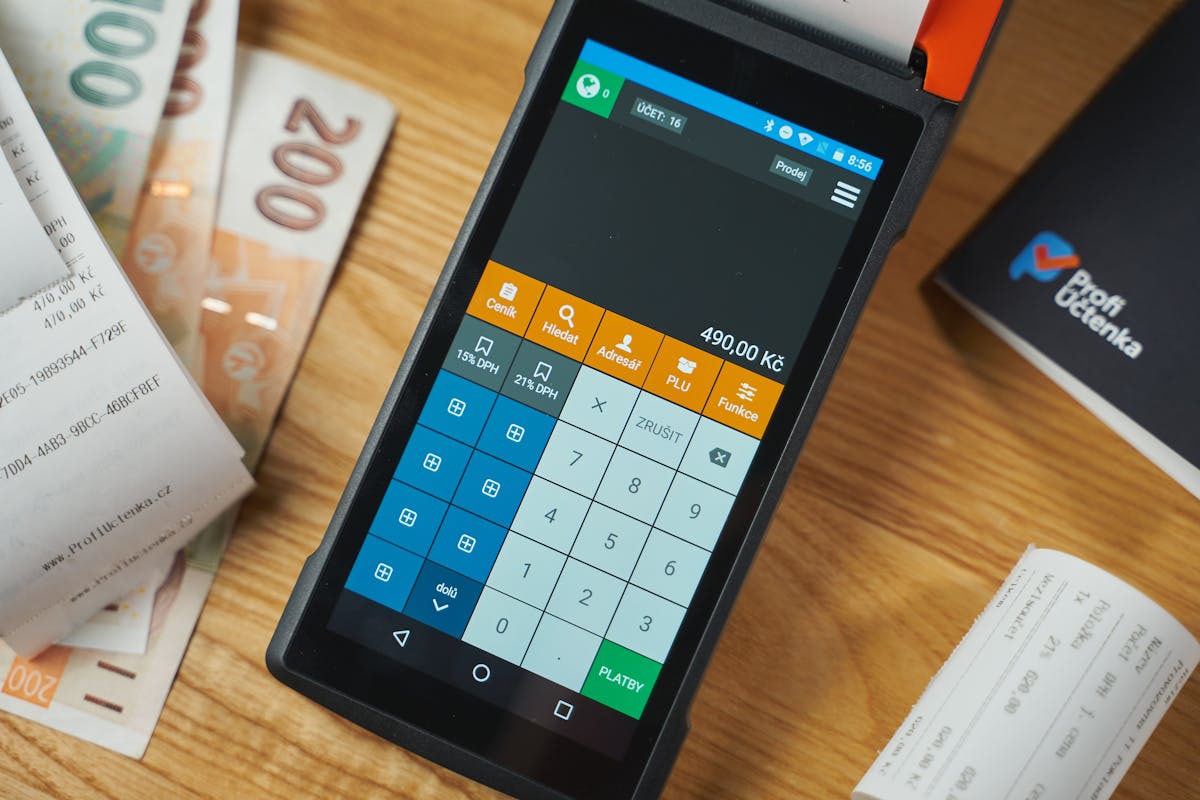
Good invoicing software handles this automatically. When you mark an invoice paid, the system generates a receipt and emails it to your client without any manual work on your part. Both documents are stored, searchable, and ready to export at tax time.
What Happens If You Only Issue Invoices
Many freelancers ask do I need a receipt if I have an invoice because they’ve been invoice-only for years without obvious problems. The issue tends to surface at the worst possible times: during a tax audit, when a client disputes a charge, or when you’re trying to reconcile your books at year-end.
Without receipts, your invoices show what you billed, but your records have no formal proof of what was actually paid versus what is still outstanding. If you have 40 invoices totaling $68,000 but no receipts, you can’t immediately demonstrate which of those 40 were paid and which might still be open. Your bank statements fill in the gaps, but that requires matching transactions manually, which is time-consuming and error-prone.
For cash-basis taxpayers, this matters even more. The IRS and equivalent tax authorities in most countries only count income when it’s received, not when it’s billed. If you’re audited, bank deposits are acceptable proof of income received, but receipts make that documentation cleaner, faster to review, and harder to dispute.
What Happens If You Only Issue Receipts
The reverse situation, issuing receipts but no invoices, creates a different set of problems. A receipt confirms money came in, but without an invoice, there’s no record of what the payment was for, what the agreed scope of work was, or what your payment terms were.
For one-off clients, this might seem manageable. For repeat clients or ongoing projects, it becomes a liability. If a client later questions whether they were charged correctly for a project phase, you have nothing to point to that shows the agreed scope and fee. You also make life harder for your clients: most businesses require invoices to process vendor payments internally, reimburse employees, and track deductible expenses.
Invoices show what you charged. Receipts show what landed. Together, you have the full story, and you can answer any question that comes up at tax time or in a client dispute.
Regulatory Considerations by Business Type
The question of do I need a receipt if I have an invoice also has a legal dimension that varies by location and transaction type. In the United States, the IRS does not mandate that sole proprietors issue formal receipts, but it does require documentation of income received. Invoices combined with bank records generally satisfy this requirement. However, several states have specific receipt requirements for retail transactions, service businesses, or cash payments above certain thresholds. California, for example, requires written receipts for home improvement contracts over $500.
Outside the US, requirements are often stricter. In the UK, VAT-registered businesses must issue VAT invoices that contain specific information and can function as receipts when marked paid. In many EU countries, fiscal receipt requirements apply to consumer-facing transactions regardless of business size. If you work with international clients or operate in multiple jurisdictions, following the most stringent applicable standard is the safest approach.
When in doubt, ask your accountant to confirm what’s required for your specific business type and location. The cost of that conversation (often less than an hour of their time) is trivial compared to a penalty for missing documentation.
How to Set This Up Without Extra Effort
The easiest way to maintain both documents consistently is to automate the receipt step inside whatever invoicing tool you use. Most modern platforms allow you to mark an invoice as paid with one click, which automatically timestamps the payment, updates your accounts receivable, and sends a receipt to the client.
If you’re using a spreadsheet-based system or simple PDF invoices, build a receipt template that mirrors your invoice layout but adds a “Payment Received” field with the date and amount. When a client pays $950 for a logo project, you update the receipt template with the payment date, the amount received, the payment method (check, ACH, credit card), and your invoice number for cross-reference. Save it as a PDF, email it to the client, and file both documents together.
This takes under three minutes per transaction and eliminates any ambiguity about whether you need a receipt if you have an invoice. You have both, your client has both, and your records are complete.
Ready to send stronger proposals?
Build, send, and track proposals in one place so follow-up is easier.
Start your free trial →