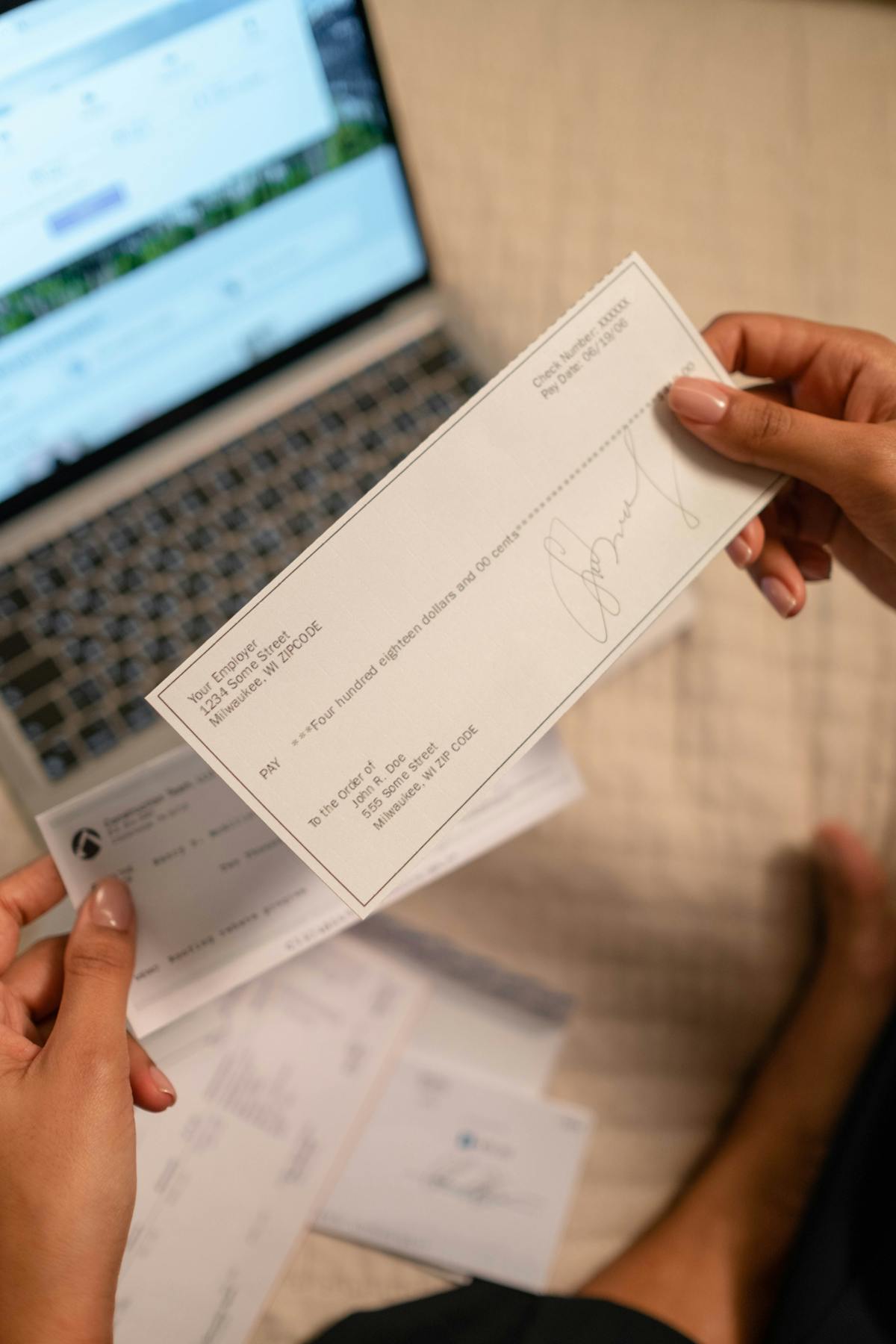
The short answer is yes, ChatGPT can generate an invoice, but “generate” means producing text that looks like an invoice, not creating a ready-to-send document. Here’s where it’s genuinely useful and where it falls short.
What ChatGPT can do
Generate invoice structure. If you give ChatGPT your line items, client name, dates, and payment terms, it can output a formatted invoice in text form. Something like:
“Create an invoice for web design services. My name is Alex Chen, client is Greenfield Studio. Services: website redesign ($3,200), copywriting ($800). Total: $4,000. Net 14 payment terms. Invoice date May 27.”
ChatGPT will produce a clean, organized invoice layout with all those fields arranged logically.
Write service descriptions. If you’re not sure how to describe what you did professionally, ChatGPT can help. “Write a professional invoice line item for a 3-day brand strategy workshop” gets you language you can drop directly into your invoicing tool.
Draft payment terms language. “Write a payment terms clause for a freelance invoice with Net 30 terms and a 1.5% monthly late fee” gives you language that sounds professional and covers the basics.
Generate invoice email copy. When you’re sending an invoice and want help writing the accompanying email, ChatGPT does this well.
What ChatGPT cannot do
Create a real PDF. The output is text. You’d need to copy it into a document tool and format it yourself. There’s no one-click “generate PDF” function.
Send the invoice. ChatGPT has no email integration. It can write the email, but you’re copying and pasting everything manually.
Maintain invoice numbering. ChatGPT doesn’t know your previous invoice numbers, so it can’t manage sequential numbering. You have to track this yourself.
Guarantee math accuracy. This matters: ChatGPT makes arithmetic errors, especially with subtotals, tax calculations, and multi-line invoices. Always verify every total before sending an invoice that was generated or assisted by AI. One wrong number damages trust with clients.
Handle jurisdiction-specific tax requirements. If you need to include VAT, GST, sales tax, or other jurisdiction-specific fields, ChatGPT may generate the right fields, or it may not. It doesn’t know your location unless you tell it, and even then its guidance on local tax law can be outdated or incorrect.
A practical workflow using ChatGPT
The best way to use ChatGPT for invoicing is as a drafting assistant, not a replacement for invoice software:
- Use ChatGPT to draft your service description if you’re unsure how to phrase it
- Copy that language into your invoicing tool (Waco3, Wave, FreshBooks, etc.)
- Let the tool handle numbering, PDF generation, and sending
- Use the tool’s tracking to see when the client opens the invoice
This pairs ChatGPT’s language flexibility with the reliability of purpose-built software.
Why purpose-built invoicing tools are better for the actual work
Tools built for invoicing handle everything ChatGPT can’t: sequential numbering, PDF generation, client records, payment links, automated reminders, and open tracking.
Waco3 specifically converts quotes into invoices automatically, so if you already have a quote for the project, you’re not starting over when it’s time to bill. That’s faster than any AI-prompt workflow.
Use ChatGPT to draft language. Use invoicing software to create, send, and track the invoice. They’re not competing tools, they’re complementary.
ChatGPT is a writing tool. Invoicing software is a billing system. Using one as the other adds friction to a process that should be simple.
Ready to send stronger proposals?
Build, send, and track proposals in one place so follow-up is easier.
Start your free trial →