Waiting for responses frustrates freelancers. Did they forget? Are they uninterested? Following up is necessary, but feels risky. We show you the exact email structure that gets responses without sounding annoying.
Why Following Up Feels Scary
Most freelancers hate following up. You worry about seeming pushy, desperate, or rude. So you don’t. The result: clients forget about your project, and you leave money on the table.
The truth: Following up is normal. Clients juggle many things. A reminder email is helpful, not annoying.
The difference between effective and annoying is tone and timing. Wait too long, it feels pushy. Send too soon, it feels needy. Get the tone right, and clients appreciate the reminder.
The Golden Rules
Rule 1: Three to Five Days for Feedback
If you sent something (a proposal, mockup, estimate) and asked for feedback, follow up if you don’t hear back in 3-5 business days.
Rule 2: Seven Days for Payment
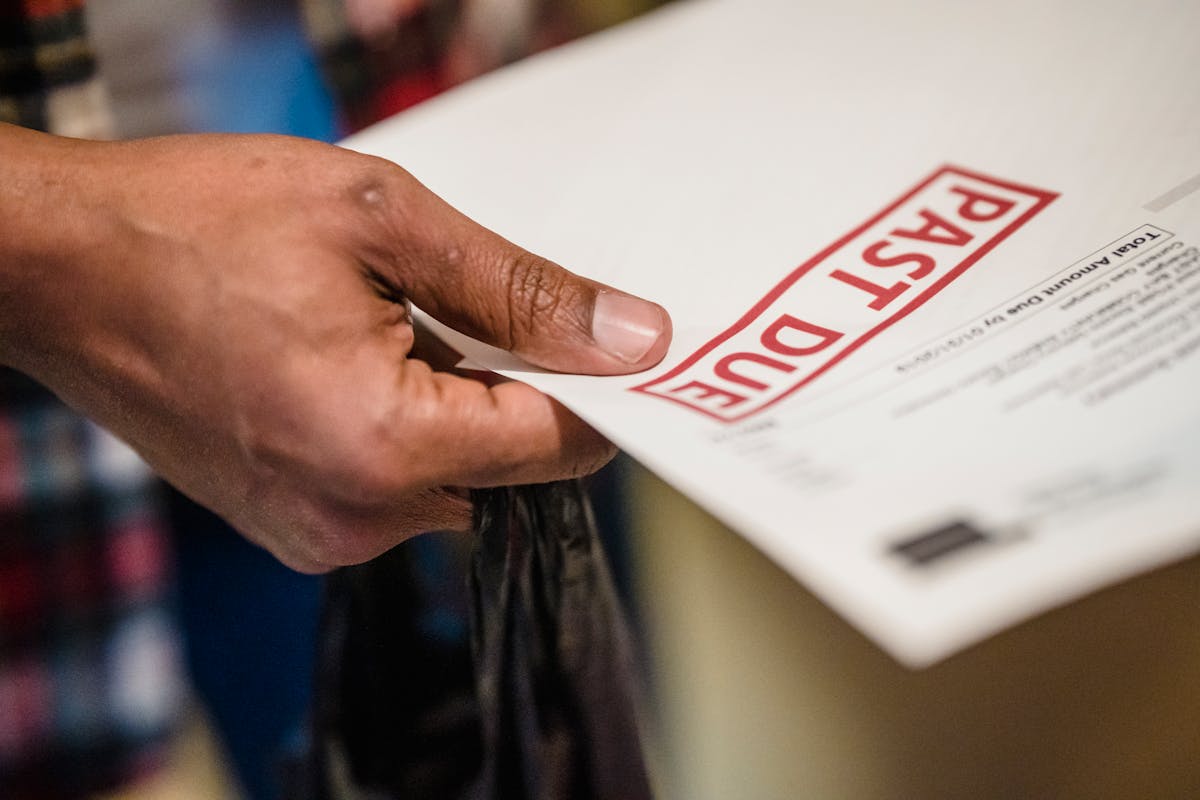
If an invoice is due and hasn’t been paid, wait 7 days past the due date before following up.
Rule 3: One Follow-Up Is Usually Enough
Most of the time, one follow-up gets a response. If they don’t respond to the first follow-up, send one more after a week. After that, assume the project is dead.
Rule 4: Always Provide an Out
Never corner a client. Give them a way to say no without feeling bad. Example: “If this isn’t a priority right now, I understand.”
The Template That Works
Here’s the structure for a follow-up asking for an update:
Opening (One Sentence)
Friendly reminder, not accusatory.
Example: “I wanted to check in on the project status.”
Not: “I haven’t heard from you in five days.”
The first assumes they’re busy. The second assumes neglect.
Context (One to Two Sentences)
Remind them what you’re waiting for and when you sent it.
Example: “I sent over the design mockup on Monday and was hoping to hear your thoughts.”
This isn’t sarcasm. You’re reminding them helpfully.
The Ask (One Sentence)
Be specific about what you need.
Example: “Do you have any feedback on the design?”
Not: “Can you let me know what you think?”
Specific asks get responses. Vague ones don’t.
The Escape Hatch (One Sentence)
Give them an out if the project isn’t moving.
Example: “If it’s not a priority right now, I can revisit it next week.”
This removes pressure. They feel less cornered.
Closing (One Sentence)
Professional and warm.
Example: “Let me know what works for you.”

Template by Scenario
Scenario 1: You Sent a Proposal and Haven’t Heard Back (3 Days)
“Hi [CLIENT],
I sent over the proposal for [PROJECT] on [DAY]. I wanted to check in and see if you have any initial thoughts or questions.
If you need more time to review, no problem. Let me know when works best to discuss.
Thanks, [YOUR_NAME]”
This is friendly and gives them space.
Scenario 2: Invoice Is Overdue (7+ Days)
“Hi [CLIENT],
Just a quick reminder: the invoice for [PROJECT] was due on [DATE]. I noticed we haven’t received payment yet.
Could you send that over when you get a chance? Let me know if you have any questions about the invoice.
Thanks, [YOUR_NAME]”
This is factual, not accusatory. You’re reminding them, not accusing them of ignoring you.
Scenario 3: Waiting for Client Approval to Move Forward (5 Days)
“Hi [CLIENT],
Wanted to check in on the [DELIVERABLE] we sent over on [DAY]. We’re ready to move to the next phase whenever you give the green light.
Is there anything you’d like to adjust before we proceed?
Let me know, [YOUR_NAME]”
This keeps momentum without pressure.
Scenario 4: Waiting on Client Information You Need (7 Days)
“Hi [CLIENT],
To keep this project on schedule, I need [INFORMATION] from you by [DATE]. I sent that request on [DAY].
Is there anything unclear about what I’m asking for? Happy to clarify.
Thanks, [YOUR_NAME]”
This puts the ball back in their court clearly.
Scenario 5: Following Up on a Meeting Commitment (3 Days)
“Hi [CLIENT],
You mentioned you’d send over the [ITEM] by [DAY]. I haven’t received it yet.
Could you share that when you get a chance? No rush if you need more time.
Thanks, [YOUR_NAME]”
Direct, but with grace.
What NOT to Do
Don’t be sarcastic. “Just checking in since I guess you’re too busy…” This backfires.
Don’t imply irresponsibility. “You said you’d respond three days ago…” You’ll make them defensive instead of responsive.
Don’t apologize for existing. “Sorry to bother you…” You’re not bothering them. You’re doing your job.
Don’t send multiple follow-ups in one day. Once per channel. That’s it.
Don’t follow up without giving time. If you only waited 24 hours, give it more time.
The Timing Question
Here’s the reality: Some clients are disorganized. Some are genuinely busy. Some are avoiding you.
Timing helps you figure out which.
If you follow up on day 3 and get immediate response, they were just disorganized. No problem.
If you follow up and get no response, they’re either busy or avoiding you. One more follow-up on day 10 will tell you which.
If the second follow-up gets no response, they’re avoiding you. Stop following up. Move on.
The One Email That Always Works
If you need a universal template that works for almost any situation:
“Hi [CLIENT],
Just wanted to touch base on [ITEM/PROJECT]. Last I heard was [DATE/WHAT THEY SAID].
What’s the status on your end? Anything you need from me to move this forward?
Talk soon, [YOUR_NAME]”
This is curious, not pushy. It opens the door without slamming it. Most clients respond to this.
The best follow-up email acknowledges the client’s busy schedule and makes responding easy.
Automation and Tracking
Once you have good templates, you can streamline follow-ups. Tools like Waco3 track when clients open proposals and emails. If you can see that a client opened your proposal 5 days ago but hasn’t responded, follow up with more confidence. They definitely saw it.
Use that data. Send follow-ups to clients who’ve clearly seen your message but haven’t acted. Skip follow-ups for clients who haven’t opened anything yet (they probably haven’t had time to look).
The Bigger Picture
Following up consistently closes more deals than most realize. Studies show 80% of sales need multiple follow-ups. Many freelancers quit after one or two.
Freelancers who follow up consistently earn 20-30% more by closing deals others abandon.
Start with the templates above. Adjust for your industry and relationships. After a few months, you’ll find your rhythm.
The key: Respect their time, and they’ll respect yours.
Related: How to Politely Send a Follow-Up Message
Ready to send stronger proposals?
Build, send, and track proposals in one place so follow-up is easier.
Start your free trial →