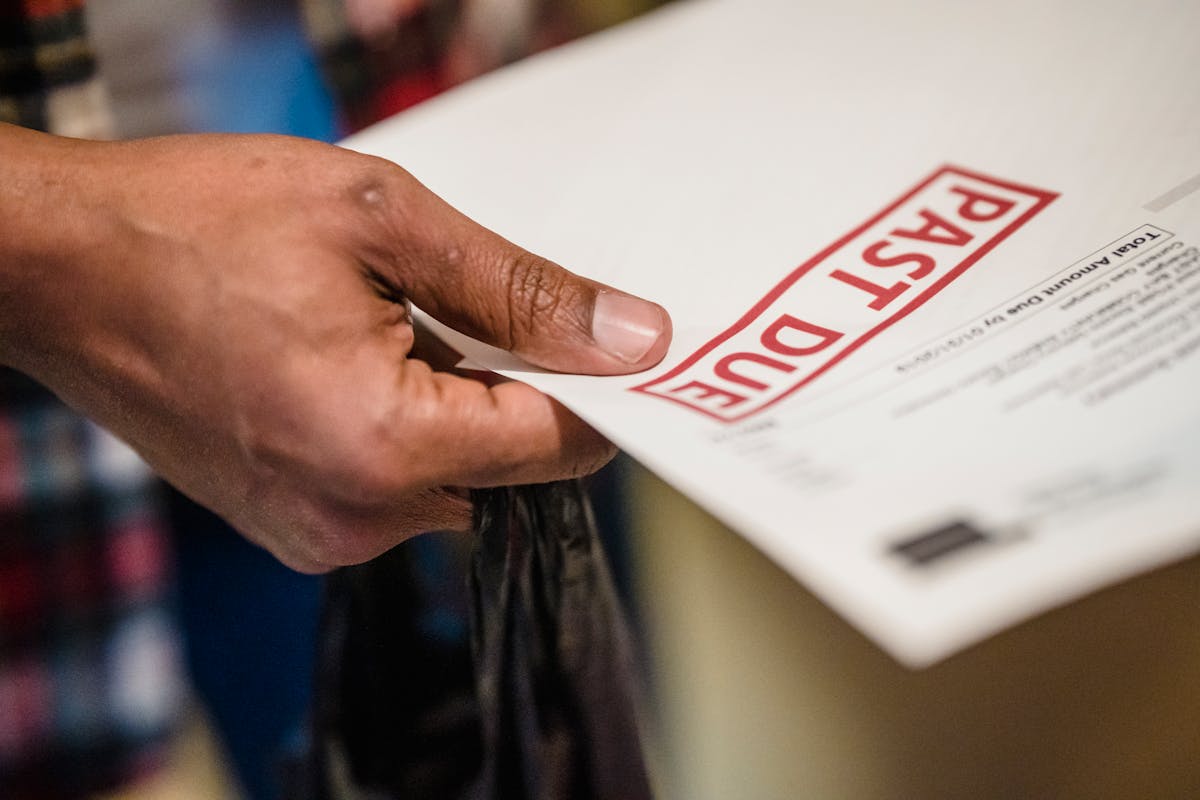
Professional follow-up means requesting payment clearly, without apology or aggression. You’re not asking for a favor. The client agreed to pay you on a specific date. A professional follow-up simply holds them accountable while preserving the business relationship. The right tone, timing, and language make the difference between getting paid and getting ignored.
The Right Tone for Payment Requests
Your follow-up should sound like a peer addressing another professional, not like you’re begging. Use neutral, factual language. Avoid apologetic phrases like “I hate to bother you” or “Sorry to follow up again.”
Instead of “I’m sorry to bother you about this,” write “Could you confirm receipt of invoice #123?” The first sounds desperate. The second sounds professional.
Avoid angry or accusatory language even if you’re frustrated. “Why haven’t you paid me?” feels confrontational. “Payment for invoice #123 is now past the agreed due date” is factual and gives them a chance to respond.
Timing is Everything
The best time to follow up is around day 25 of a Net 30 invoice. This is before it’s actually late, so there’s less defensiveness. The client hasn’t had time to forget, and they can usually process payment immediately.
Never follow up on weekends or late at night. Send your follow-up on a Tuesday, Wednesday, or Thursday morning when the client is actively checking email and has access to their accounting system.
If you don’t get a response within 3 days, follow up again. Two follow-ups within a week is persistent but not excessive.

The Structure That Works
Start with a simple subject line: “Invoice [#] Status” or “Payment Confirmation Needed.” This flags the email as business-critical without sounding threatening.
In the body, acknowledge any previous communication. Then state the facts: invoice number, amount, original due date. Then request action with a specific date: “Please process payment by Friday.”
End with professional sign-off and your payment information. Keep it to one short paragraph. Clients are busy and won’t read long emails.
Professionalism means being clear and firm about what you’re owed. You’re not being difficult by asking for payment. The client is being difficult by not paying on time.
Handling Client Objections
When clients object to payment (“We thought you included that in the proposal,” “Let me check with accounting,” “We’ll pay you next month”), ask clarifying questions.
Don’t accept vague promises. “Next month” is too vague. Ask for a specific date. “Could you confirm payment will clear by Friday, June 15th?” This puts pressure on without being aggressive.
If there’s a real dispute about the invoice amount or scope, offer to discuss it in a call. But make it clear that once resolved, you expect immediate payment. Don’t let disputes drag on indefinitely.
When to Escalate
After 3-4 follow-ups with no response or promises, escalate. Send a final notice with a hard deadline. Use certified mail or email with read receipt. State that if payment isn’t received by [date], you’re pursuing legal action or collections.
Some clients respond only to hard deadlines. Others test your boundaries to see how far they can push. Either way, a final notice clarifies that you’re serious about payment.
Ready to send stronger proposals?
Build, send, and track proposals in one place so follow-up is easier.
Start your free trial →