Reminding a client about an outstanding invoice is a normal business practice, not an imposition. You’re not being rude or demanding. You’re protecting your cash flow and holding them to the agreement you made. The key is being polite without being apologetic or weak. Here’s how to strike that balance.
Why Politeness Matters
Clients respect professionals who enforce boundaries. If you let an invoice sit unpaid for 60 days without reminding them, you’re signaling that you don’t respect your own money. Future clients will notice and negotiate harder.
A polite but firm reminder shows you’re professional. It signals that you take payment seriously and expect clients to do the same. Clients want to work with professionals who have systems in place.
Politeness preserves the relationship. You might want to work with this client again. A rude payment demand might win you the current payment but lose you future business. A polite reminder does both.
The Polite But Firm Approach
Start your reminder by acknowledging that things happen. Invoices get lost, they get stuck in accounting, someone forgot to process them. This shows empathy without excusing the late payment.
Then state the fact: the invoice is outstanding. Include the date it was sent and when it’s due. Offer to help if there’s a problem: “If there’s an issue with the invoice, I’m happy to discuss it.”
End by requesting action with a specific date: “Could you confirm payment will be received by Friday?”
Template: The Polite Reminder
Subject: Following Up on Invoice [#]
Hi [Client Name],
I wanted to follow up on invoice #[number] for $[amount] that was sent on [date]. Sometimes invoices get delayed in accounting or missed during busy periods, so I wanted to make sure this was on your radar.
The invoice was due on [due date], and I haven’t received payment yet. Could you confirm when payment will be sent? If there are any issues with the invoice or if you need me to resend it, just let me know.
Looking forward to getting this settled so we can continue our great working relationship.
Best, [Your Name]
This tone is polite but assumes they simply forgot or got delayed. Most clients respond well to this because it doesn’t put them on the defensive.

The Polite Escalation
If the polite reminder doesn’t work after 3-5 days, escalate slightly. The follow-up can be more direct while staying professional.
Subject: Invoice [#] Payment Required
Hi [Client Name],
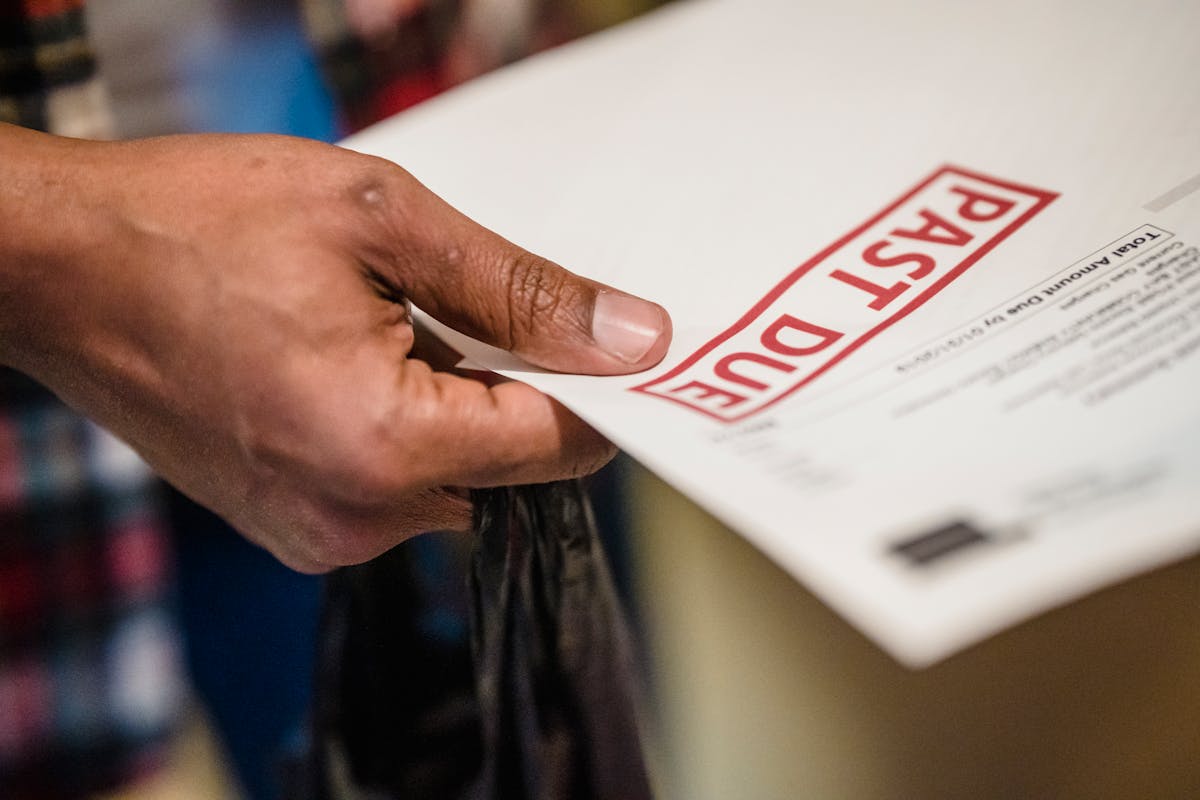
Invoice #[number] for $[amount] is now 30 days past due. Payment is required to keep your account current with our agreement.
I’ve already sent a reminder on [date] but haven’t received a response. I need payment processed by [specific date] to move forward.
If there’s an issue preventing payment, please let me know so we can resolve it. Otherwise, I’m expecting payment by [date].
Thank you, [Your Name]
This is still polite but firm. It acknowledges the previous reminder and states a clear deadline.
Being polite doesn’t mean being weak. You can respect the client’s situation while still being absolutely clear that payment is required.
When Polite Stops Working
After 4-5 polite reminders over 60+ days, switch tactics. Stop asking permission and start stating requirements. “Payment is required by Friday or I’m stopping work on your project” is not rude. It’s a boundary.
Some clients interpret excessive politeness as flexibility. They think if you’re being nice, they have more time. Politeness eventually signals weakness.
Don’t be rude. But be clear. Use firm, professional language. Cut out apologetic phrases. Stop acting like you’re asking for a favor.
Ready to send stronger proposals?
Build, send, and track proposals in one place so follow-up is easier.
Start your free trial →