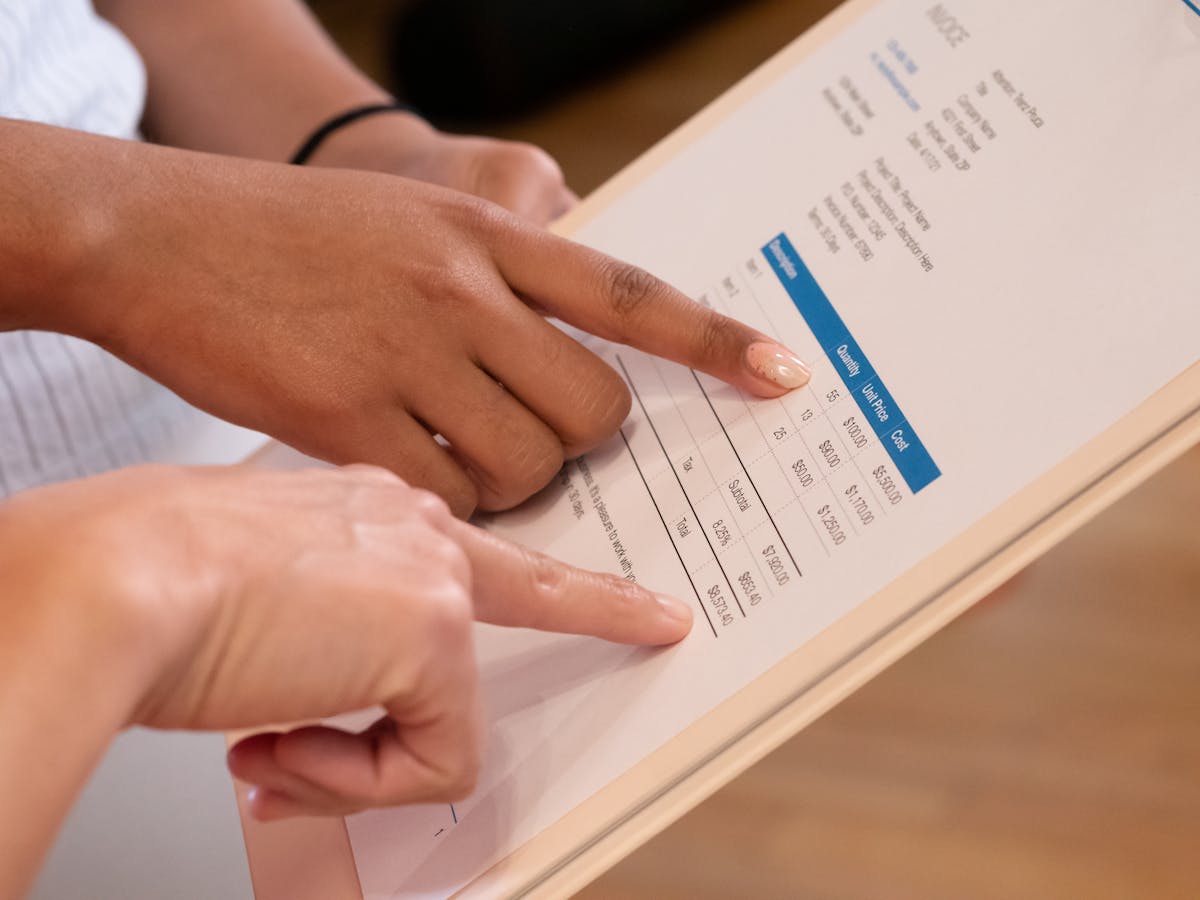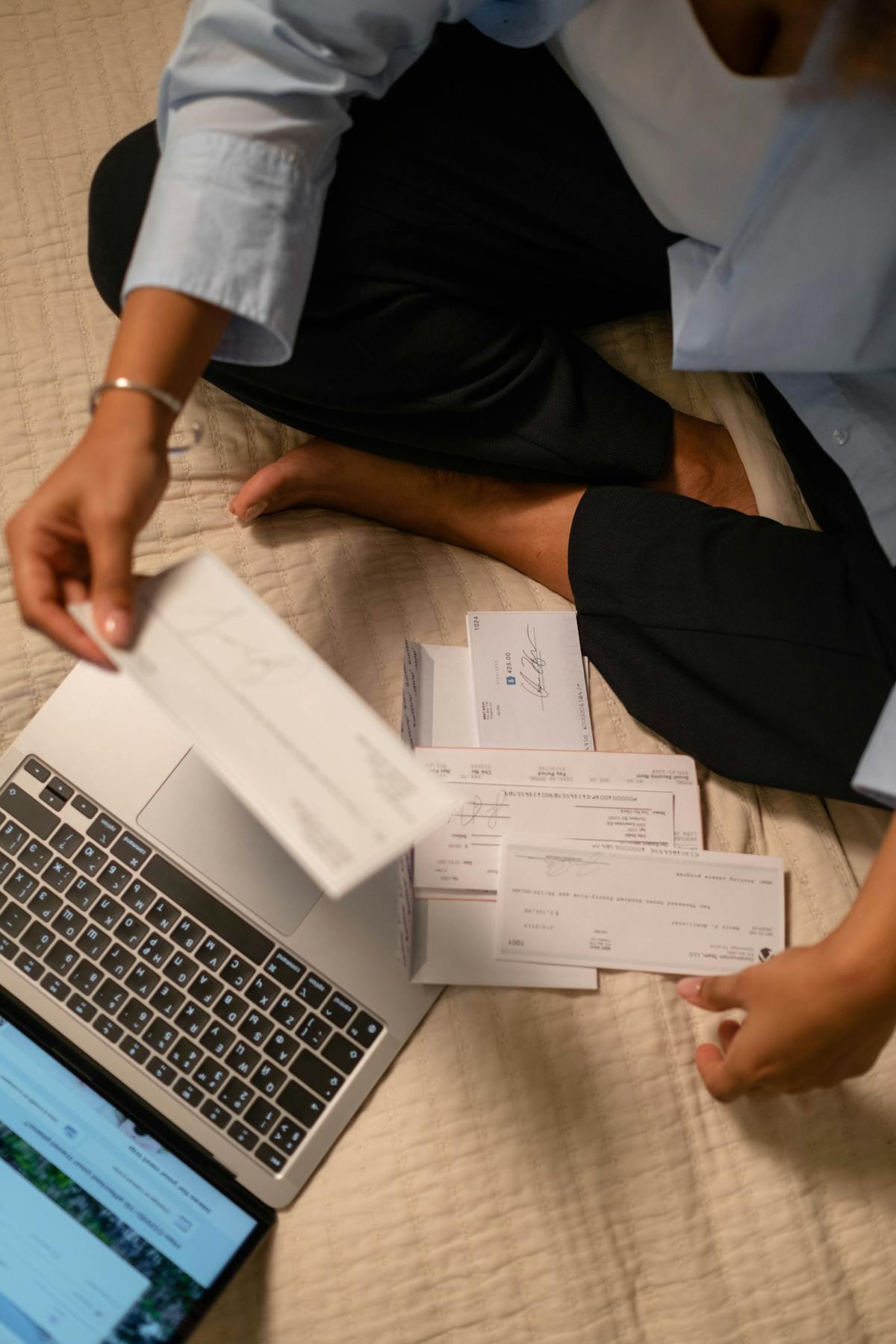
An invoice letter is the email that wraps your invoice. Most freelancers send it as the email body with the invoice attached. A good letter reads in 30 seconds and tells the client what they’re paying for, the amount, and the deadline. It’s a critical payment tool.
The Four Key Elements
Every letter needs four pieces of information, clearly stated:
First, what the invoice covers. “This invoice is for your website redesign” or “For copywriting services rendered in May 2026.”
Second, the total amount. “Invoice total: $2,400.”
Third, the due date. “Due by June 15, 2026” or “Payment due on receipt.”
Fourth, how to pay. “Please send payment via bank transfer to [account details]” or “Click here to pay by credit card.”
These fit in 3-5 sentences. Everything else is extra.
Opening Line
Start professionally: “Hi [Client Name]” or “Dear [Client Name].” Use first names for informal relationships. Use “Dear [Company Contact]” for formal ones.
Follow immediately with purpose: “Attached is your invoice for [project name/services].”
One sentence covers it. You’ve identified yourself and stated your purpose.
Reference Details
Add reference details in sentence two: invoice number, project name, or date range. “Invoice #2026-047 for the May 2026 social media campaign” helps them organize it.
Reference specific projects. “As discussed in our proposal for the website redesign, the final invoice is attached.”
Clients appreciate context. They’re juggling multiple vendors. Clarifying which project this is prevents confusion.

The Amount and Due Date
State total and due date in one or two sentences. “The invoice total is $2,400, due by June 15, 2026.”
Be specific about dates. “Net 15” is less clear than “Due by June 15.” Clients respond faster to specific deadlines.
Precision matters here. Double-check amount and date before sending.
Clients who see the total amount and due date in the email body pay faster than those who must open an attachment to find this information.
Payment Instructions
Tell them exactly how to pay. “Please send payment via bank transfer” or “Pay by credit card with this link” or “Mail checks to [address].”
List your preferred method first, then alternatives. “Preferred: bank transfer to [details]. Also accept: PayPal [email], checks to [address].”
Some include details inline, others just links. Choose based on your comfort sharing details via email.
The Closing
End professionally: “Let me know if you have any questions about the invoice” or “Please reach out if anything is unclear.”
Add your phone and email. This gives them an easy way to reach you about payment.
Sign with your name or business. “Best regards, [Your Name]” or just “[Your Name]” works.
Complete Template
Here’s a practical template you can adapt:
“Hi [Client Name],
Attached is your invoice for [project/services description]. Invoice #[number], dated [date].
The total is [amount], due by [date]. You can pay via [preferred method] or [alternatives].
Please let me know if you have any questions.
Best regards, [Your Name] [Your email] [Your phone]”
This template is five sentences. It covers all four key elements: what, amount, when, and how.
Length and Tone
Keep it brief and professional. Skip paragraphs about your effort or enthusiasm. No personal stories or casual remarks. Clients want information.
Be courteous but direct. You’ve done the work, now you’re requesting payment. No need to apologize or oversell. “Thank you for your business” is fine, just don’t overdo it.
Subject Line
The subject matters. Use “Invoice #[number] - [Client Name]” or “Invoice for [Project Name].” This helps them find it later and know what it is.
Avoid generic subjects like “Here’s your invoice” or “Payment needed.” Specific lines look more professional and organize better.
Timing
Send right after work is complete or on the contracted date. Don’t wait weeks. Fresh work stays fresh in their mind and budget approval is more likely.
Send during business hours on weekdays. Monday morning invoices get faster action than Friday night ones.
Follow-Up Letter
If payment is late, send a follow-up. Stay neutral: “Hi [Client Name], I see that invoice #[number] for [amount] is now [X days] overdue, with a due date of [date]. Could you please process payment? Let me know if there are any issues.”
Don’t be accusatory. Assume it was overlooked or stuck in their system. A gentle nudge often triggers immediate payment.
Variations for Different Situations
For retainer or ongoing work: “As agreed in our retainer contract, attached is the monthly invoice for [month]. Payment is due [date].”
For milestone-based projects: “This invoice covers the first milestone: [description]. The remaining balance of [amount] is due upon completion of [next phase].”
For late or revised invoices: “This is a revised invoice superseding invoice #[old number]. The difference is [explanation].”
Common Mistakes to Avoid
Don’t apologize for asking payment. You did the work. Stating your rate is professional.
Don’t set deadlines you won’t enforce. If you say “due in 5 days,” follow up on day 6.
Don’t focus on yourself. Focus on the client’s action, not your situation.
Don’t hide payment links in the signature. Put them in the body where clients see them.
Using Tools to Automate
As you send more invoices, tools like Waco3 can automate letters. Set a template and the system fills in client names, amounts, and due dates. This saves time and keeps invoices consistent.
Templates should feel personal but work efficiently.
Related: How to Send an Invoice on Gmail the Right Way covers the technical side of sending.
Ready to send stronger proposals?
Build, send, and track proposals in one place so follow-up is easier.
Start your free trial →