The confusion between invoices and receipts costs people real money — either because they submit the wrong document and get their reimbursement denied, or because they throw away the receipt assuming the invoice is enough. Understanding which one proves what makes this straightforward.
What an invoice is
An invoice is a billing document sent before or at the time of payment. It says: “You owe me $X for Y service, due by Z date.” It’s forward-looking — it documents an obligation to pay that hasn’t necessarily been fulfilled yet.
Key characteristics:
- Issued by the seller/service provider
- Shows amount owed, not amount paid
- Has a due date for payment
- Does not confirm that money changed hands
What a receipt is
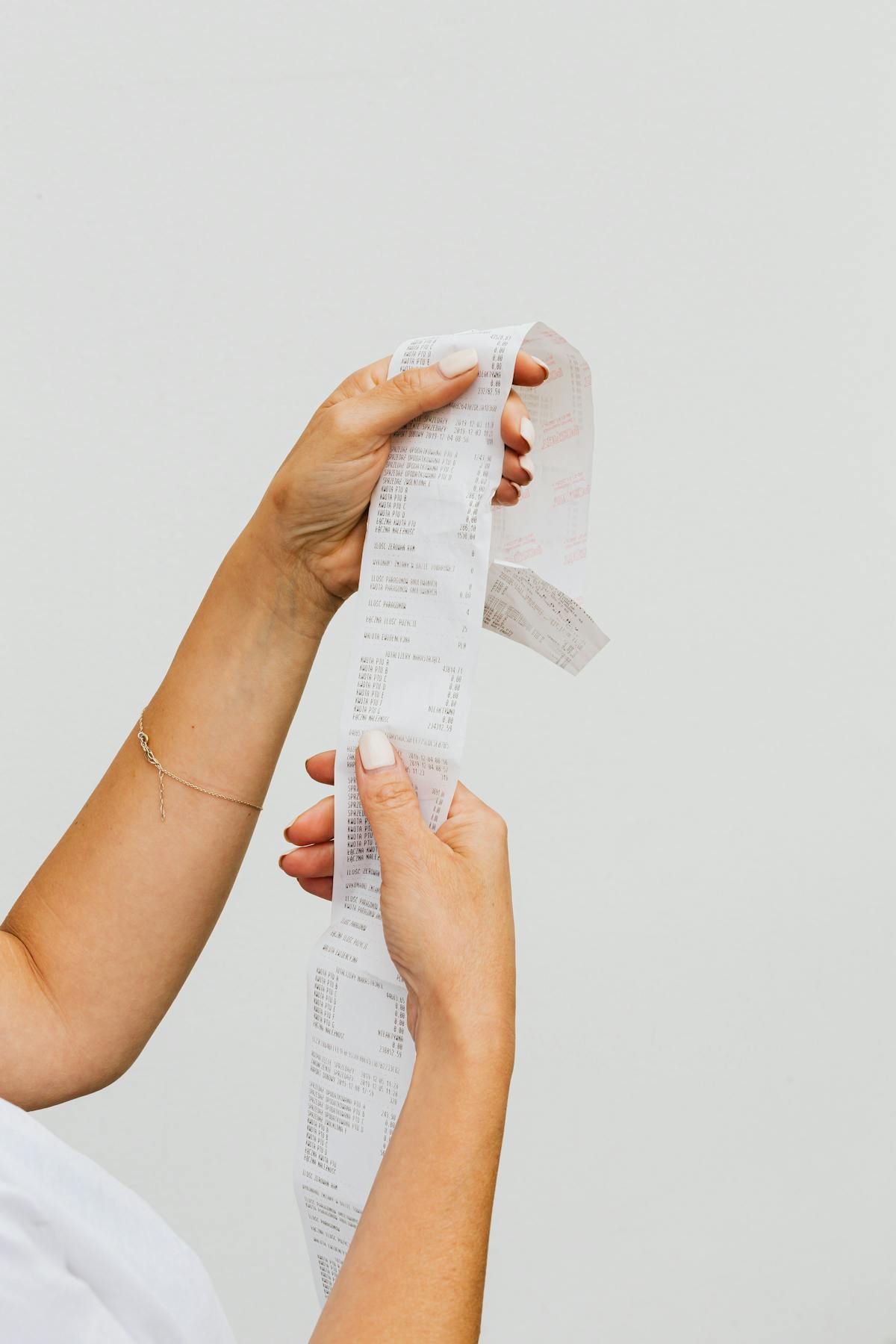
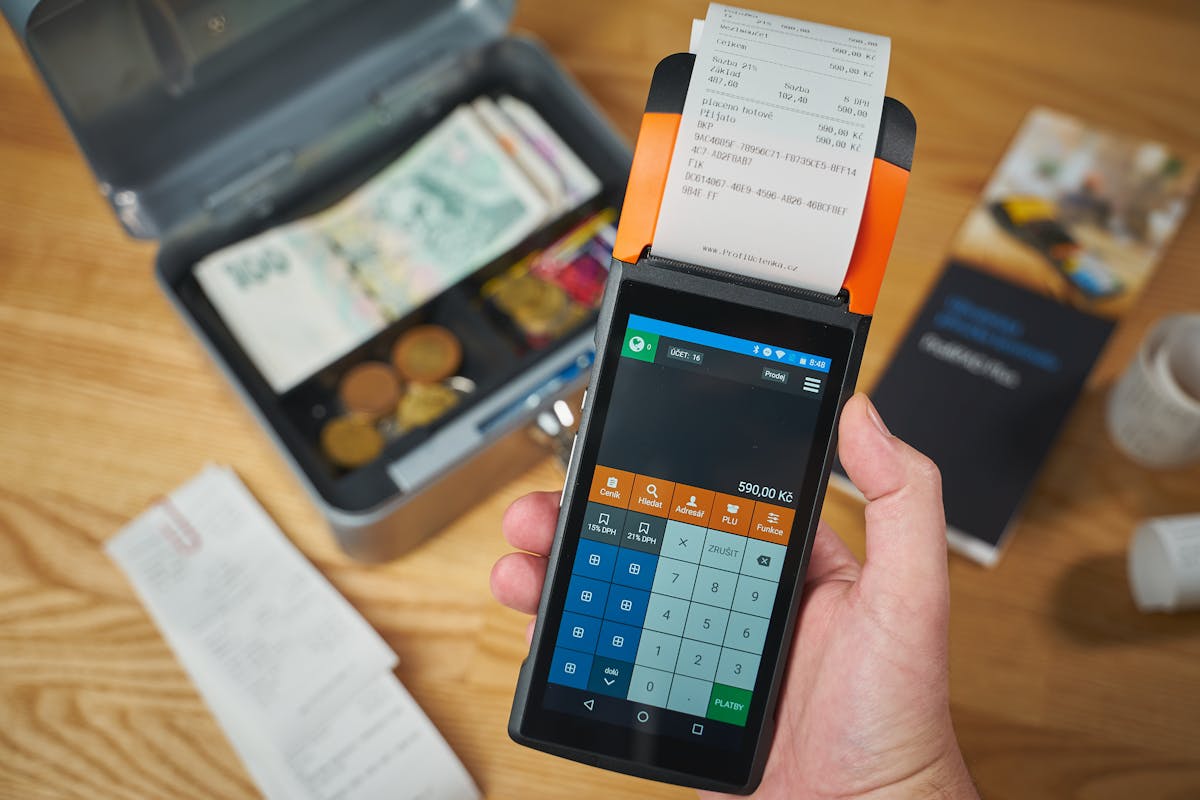
A receipt is issued after payment. It says: “You paid $X for Y on Z date.” It’s backward-looking — it documents a completed transaction.
Key characteristics:
- Issued after payment is received
- Confirms that money changed hands
- Shows the method of payment (cash, card, bank transfer)
- Is the document you need when the question is “did you actually spend this money?”
The distinction is simple: an invoice is a request; a receipt is a confirmation. For reimbursement, you need the confirmation.
Why reimbursement policies almost always ask for receipts
When your employer, client, or accountant asks for receipts before reimbursing an expense, they’re trying to verify two things: (1) the expense is real, and (2) you paid for it rather than being billed for something someone else paid.
An invoice alone proves neither. Anyone can create an invoice — it’s not evidence of a completed transaction. A receipt, or a bank statement showing the charge, proves money left your account.
This is why the IRS and most corporate expense policies specify “receipts” when documenting deductible expenses or reimbursable costs.
When an invoice might be enough
There are situations where an invoice can substitute for a receipt:
When the vendor marks it “paid.” A paid invoice — stamped or noted as paid with the date of payment — functions as a combined invoice and receipt. Many small vendors and freelancers issue these.
When you pair it with a payment statement. If you have an invoice and a bank or credit card statement showing a charge matching the invoice amount on the same date, together they establish the complete picture.
When the reimbursement policy allows it. Some internal expense policies accept invoices for professional services, especially when the vendor doesn’t issue formal receipts. Check your company’s policy before assuming.
The freelancer’s perspective
If you’re a freelancer invoicing clients who then need to get reimbursed for your services by their employer, this matters to you too. Clients who need reimbursement often need:
- Your invoice (which they submit to their finance team)
- Proof that they paid you (which their bank statement or your payment confirmation provides)
If a client asks you for a receipt after paying your invoice, you can issue a payment confirmation email or a “paid” version of the invoice noting the date and method of payment. This costs you nothing and makes your client’s life easier, which tends to mean they rehire you.
Organizing your own reimbursable expenses
If you’re tracking your own business expenses for tax purposes or client billing:
- Save both invoices and receipts when you receive them
- For digital purchases, screenshot or download the confirmation email immediately — these are your receipts
- If a vendor only gives you an invoice, ask for a “paid invoice” or payment confirmation before you leave or close the transaction
- Bank statements work as backup documentation, but the original receipt is always better
For freelancers billing clients for project expenses — travel, software, subcontractors — a well-structured invoice that clearly separates your fees from the reimbursable costs makes your client’s approval process faster and reduces the chance of questions.
Ready to send stronger proposals?
Build, send, and track proposals in one place so follow-up is easier.
Start your free trial →