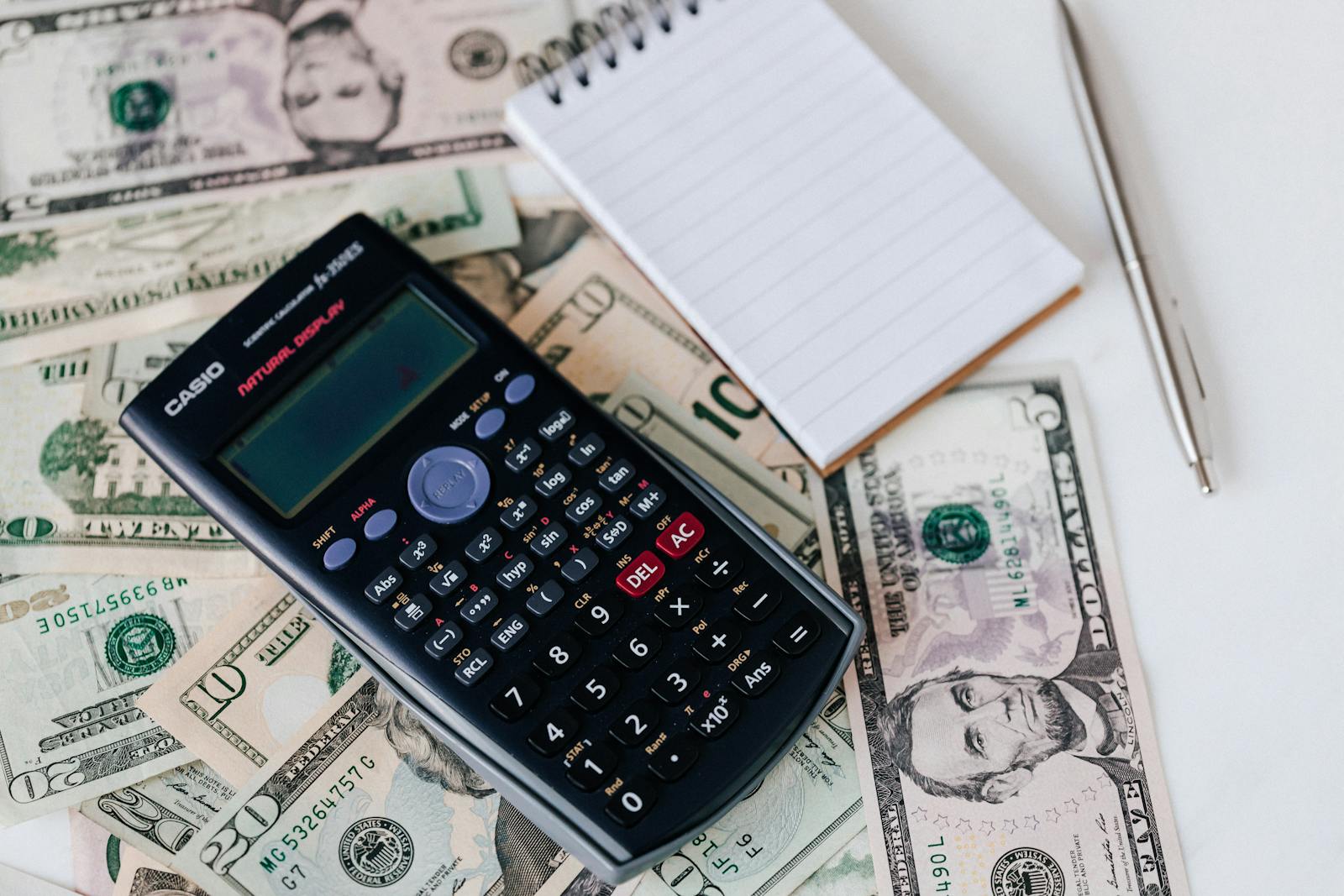
Most unpaid invoices don’t get paid because no one follows up consistently. The client gets busy, the invoice slips in the inbox, and if you don’t remind them, nothing moves. These six templates cover the full overdue timeline — from the day-after nudge to the final-notice before collections.
The reminder timeline
Each email in the sequence does a specific job. Match your template to the age of the invoice.
| Stage | Timing | Tone | Goal |
|---|---|---|---|
| Template 1 | Day 1–2 past due | Neutral | Confirm receipt, flag the due date |
| Template 2 | Day 7 past due | Friendly-firm | Prompt payment, no assumptions |
| Template 3 | Day 14 past due | Direct | Mention late fee, request update |
| Template 4 | Day 30 past due | Formal | Demand payment, set deadline |
| Template 5 | Day 60 past due | Final notice | Collections/legal warning |
| Template 6 | Ongoing client | Warm | Recurring invoice, preserve relationship |
Use them in sequence. Don’t skip to Template 5 because you’re frustrated — escalate step by step. Each step gives the client an opportunity to pay before the consequences increase.
Template 1: First reminder (Day 1–2 past due)
This email assumes the best: the invoice went to the wrong inbox, got buried, or is in queue. Keep it light.
Subject: Invoice #[XXX] — Quick Follow-Up — Due [Date]
Hi [Name],
Just following up on Invoice #[XXX] for $[amount], which was due [date].
If you need me to resend it or if there’s anything I can provide to help process this on your end, just let me know. Payment can be made via [method/link].
Thanks, [Your name]
What this does: Gives the client an easy out (“oh I must have missed it”) and removes friction by offering to resend. No guilt, no urgency. Most overdue invoices at this stage are genuine admin issues.
What to avoid: Apologizing for sending the reminder. You’re owed money you earned. A reminder is appropriate.
Template 2: Second reminder (Day 7 past due)
Still friendly, but firmer. You’re confirming the situation, not just asking if they got it.
Subject: Invoice #[XXX] — $[Amount] — Now 7 Days Past Due
Hi [Name],
Invoice #[XXX] for $[amount] was due on [date] and remains unpaid as of today.
Could you let me know when I can expect payment? If there’s an issue with the invoice or you have questions, I’m happy to help resolve them. Otherwise, please process this by [date — 3–5 days from now].
Payment details: [method or link]
Thanks, [Your name]
What this does: Asks a direct question (“when can I expect payment?”) and sets a soft deadline. The question forces a response — either payment or an explanation.
If they respond with “we’re processing it” or “next week”: Accept the update, mark your calendar, and follow up again on that date if it doesn’t arrive.
Template 3: Third reminder (Day 14 past due)
The late fee clause enters the picture. Keep it factual, not threatening.
Subject: Invoice #[XXX] — 14 Days Past Due — Late Fee Now Accruing
Hi [Name],
Invoice #[XXX] for $[amount] was due on [original due date] and is now 14 days past due.
Per our agreement, a late fee of 1.5% per month is now accruing on the outstanding balance. The current total owed is $[amount + 2 weeks of interest if applicable].
Please let me know your payment timeline or call me at [phone] if there’s something that needs to be resolved. I’d like to clear this up before the balance increases further.
Payment: [link or details]
[Your name]
What this does: Introduces the financial cost of continued delay. Mentioning the accruing late fee creates urgency without hostility. Offering a phone call opens a path to resolution.
If they haven’t responded to Emails 1 and 2: Call them directly the same day you send this email. An email-only approach at two weeks past due isn’t enough.
The switch from “email only” to “email plus call” at 14 days is the single most effective change most freelancers can make to their collections process. Emails are easy to delay; a phone call requires an immediate decision. Even a voicemail creates more pressure than another email.
Template 4: Formal demand (Day 30 past due)
Tone shifts significantly. This is a formal document, not a casual follow-up.
Subject: Formal Payment Demand — Invoice #[XXX] — $[Amount] Due Immediately
Hi [Name],
This is formal notice that Invoice #[XXX], issued [invoice date] for $[amount], remains unpaid. The payment due date was [date] — [X] days ago.
Per our signed agreement dated [contract date], a late fee of 1.5% per month has accrued on the outstanding balance. The total now due is $[updated total].
I require payment in full by [specific date — 7–10 days from this email]. If payment is not received by that date, I will pursue collection through available channels, which may include a collections agency and/or small claims court.
To pay: [link or details]. To discuss: [phone number].
[Your name]
What this does: Documents your position formally. States the consequence. Sets a hard deadline. References the contract. Uses “I require” rather than “I’d appreciate” or “could you please.”
Send this email and a certified letter to their business address the same day. Having a signed receipt from certified mail matters if you go to small claims court.
What to do if they respond: If they offer a payment plan, get it in writing before agreeing. A plan they’ll respect: 50% now, 50% within 2 weeks. Anything longer than 30 days on a payment plan for a previously overdue invoice is too much risk.
Template 5: Final notice (Day 60 past due)
Last email before collections or court. Short, factual, no negotiating.
Subject: Final Notice — Invoice #[XXX] — Collections Referral Pending
Hi [Name],
This is a final notice regarding Invoice #[XXX] for $[original amount], now $[total with late fees] including accrued fees, unpaid since [original due date].
I have sent [X] previous reminders without resolution. If full payment is not received by [date — 5 days from now], I will refer this account to a collections agency and/or file a claim in small claims court without further notice.
To resolve: [payment link or details].
[Your name]
What this does: Serves as the final documented warning before escalation. Some clients pay at this stage because the collections/legal threat is now credible and specific.
After sending this: Actually follow through. If you threaten collections and then send another email instead, you’ve trained this client that there are no consequences. File the small claims case or engage the collections agency as stated.
Template 6: Ongoing client reminder (for recurring relationships)
For clients you invoice regularly — retainers, monthly work, ongoing projects — a different tone applies. You’re preserving the relationship, not documenting a dispute.
Subject: Invoice #[XXX] — Quick Note on Outstanding Balance
Hi [Name],
Quick note — Invoice #[XXX] for $[amount] from [date] is still showing as outstanding on my end.
No pressure if there’s a processing delay, but I wanted to flag it before it got further behind. Please let me know if there’s anything I need to resubmit or if a check is en route.
Thanks, [Your name]
What this does: Flags the issue without the formality of a standard reminder. Assumes good faith. Leaves room for explanation.
When to use it: For clients who normally pay on time and this appears to be an exception. If it becomes a pattern, switch back to the standard escalation sequence — consistent lateness from a “good client” is still a cash flow problem.
What to avoid in invoice reminder emails
Apologizing for reminding them. “I hate to bother you but…” hands the social awkwardness to you when the problem belongs to the client. Don’t apologize for asking to be paid for work you completed.
Vague subjects. “Following up” or “Quick question” — these get ignored. Put the invoice number and amount in the subject line.
Long emails. Every reminder should be under 5 sentences. The situation is simple. Don’t write a paragraph about your financial hardship or their behavior. State the facts, state what you need, provide the payment link.
Emotional language. Angry emails feel satisfying to write and slow down payment. Clients who feel attacked become defensive and dispute-focused. Factual and firm outperforms frustrated.
Empty threats. If you say you’re going to collections or small claims and then don’t, you’ve lost your leverage. Only threaten steps you’re prepared to take.
Inconsistent follow-up. The most expensive mistake: following up once, getting no response, and giving up. Consistent follow-up is what separates freelancers who get paid from those who don’t.
Building a follow-up system
Manual reminders fail because you forget, get busy, or avoid the uncomfortable task. Automate what you can:
- Calendar reminders: Set them when you send each invoice — reminder at 2 days past due, 7, 14, 30, 60.
- Invoicing software with auto-reminders: Many platforms (FreshBooks, Wave, Waco) will send automatic late payment reminders at intervals you configure.
- Template folder: Keep all 6 templates in a folder. Copy, customize the invoice number and amount, send. Takes 60 seconds per email instead of 10 minutes to write from scratch.
- Tracking spreadsheet: For anyone with multiple outstanding invoices, a simple spreadsheet with client name, invoice number, amount, due date, and last contact date is enough to run a systematic follow-up process.
Related reading
- What happens if an invoice is not paid after 30 days — escalation options including collections and small claims
- Is it legal to add a late fee to an invoice — contract language to make late fees enforceable
- How to write an invoice email — the initial invoice email before any overdue situation
Ready to send stronger proposals?
Build, send, and track proposals in one place so follow-up is easier.
Start your free trial →